
About This Book
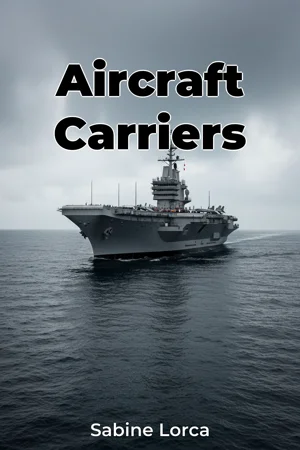
How did a floating airfield transform naval dominance? This book, "Aircraft Carriers," unveils the complete history and revolutionary impact of these warships, examining their strategic importance and the projection of military power they provide across the globe. It is a fact-based exploration into how aircraft carriers redefined naval warfare and international relations. Structured chronologically and thematically, the book begins by establishing the historical context of naval warfare before the advent of aircraft carriers, detailing the limitations of battleships and the initial, hesitant steps toward integrating aviation into naval strategy. It introduces the key innovators and early designs that laid the groundwork for carrier aviation. The core of the book focuses on several key themes. First, it explores the technological evolution of aircraft carriers, from early converted cruisers to the nuclear-powered supercarriers of today, analyzing advancements in flight deck design, aircraft launch and recovery systems, and aircraft technology. Second, it examines the strategic doctrine surrounding aircraft carriers, detailing how they shifted from support roles to becoming the centerpiece of naval operations, influencing everything from fleet composition to power projection strategies. Third, "Aircraft Carriers" analyzes the role of these warships in major conflicts, including their decisive impact in World War II, the Cold War, and modern-day interventions. The book's central argument is that the aircraft carrier is not merely a ship, but a mobile, sovereign territory capable of projecting military, economic, and political influence far beyond a nation's shores. This capacity transformed the nature of international power dynamics in the 20th and 21st centuries. It supports this argument using primary source documentation, including naval archives, ship logs, and declassified military reports. Furthermore, the text analyzes the evolution of naval strategy and the adaptation of carrier-based air wings in different geopolitical contexts. "Aircraft Carriers" connects to other fields such as political science through its analysis of power projection and international relations; economics through the discussion of the massive investment required to build and maintain carrier fleets; and technology, as it examines the innovation of flight technology and naval engineering. The book presents a narrative non-fiction approach, detailing technical aspects in an accessible style to appeal to a broad readership, including military history enthusiasts, naval strategists, and those interested in international relations. It is designed for readers interested in military history, world history, and the intersection of technology and geopolitics. While the book covers the global impact of aircraft carriers, it primarily focuses on the carriers of the United States Navy, the Royal Navy, Imperial Japanese Navy, and select modern carriers like the Chinese Navy carriers, owing to their significance and the availability of detailed documentation. The information presented has real-world applications for policymakers, military strategists, and anyone seeking to understand the current geopolitical landscape. The book also engages with contemporary debates, such as the future of aircraft carriers in an era of anti-ship missiles and cyber warfare, providing a balanced assessment of their continued relevance.
How did a floating airfield transform naval dominance? This book, "Aircraft Carriers," unveils the complete history and revolutionary impact of these warships, examining their strategic importance and the projection of military power they provide across the globe. It is a fact-based exploration into how aircraft carriers redefined naval warfare and international relations. Structured chronologically and thematically, the book begins by establishing the historical context of naval warfare before the advent of aircraft carriers, detailing the limitations of battleships and the initial, hesitant steps toward integrating aviation into naval strategy. It introduces the key innovators and early designs that laid the groundwork for carrier aviation. The core of the book focuses on several key themes. First, it explores the technological evolution of aircraft carriers, from early converted cruisers to the nuclear-powered supercarriers of today, analyzing advancements in flight deck design, aircraft launch and recovery systems, and aircraft technology. Second, it examines the strategic doctrine surrounding aircraft carriers, detailing how they shifted from support roles to becoming the centerpiece of naval operations, influencing everything from fleet composition to power projection strategies. Third, "Aircraft Carriers" analyzes the role of these warships in major conflicts, including their decisive impact in World War II, the Cold War, and modern-day interventions. The book's central argument is that the aircraft carrier is not merely a ship, but a mobile, sovereign territory capable of projecting military, economic, and political influence far beyond a nation's shores. This capacity transformed the nature of international power dynamics in the 20th and 21st centuries. It supports this argument using primary source documentation, including naval archives, ship logs, and declassified military reports. Furthermore, the text analyzes the evolution of naval strategy and the adaptation of carrier-based air wings in different geopolitical contexts. "Aircraft Carriers" connects to other fields such as political science through its analysis of power projection and international relations; economics through the discussion of the massive investment required to build and maintain carrier fleets; and technology, as it examines the innovation of flight technology and naval engineering. The book presents a narrative non-fiction approach, detailing technical aspects in an accessible style to appeal to a broad readership, including military history enthusiasts, naval strategists, and those interested in international relations. It is designed for readers interested in military history, world history, and the intersection of technology and geopolitics. While the book covers the global impact of aircraft carriers, it primarily focuses on the carriers of the United States Navy, the Royal Navy, Imperial Japanese Navy, and select modern carriers like the Chinese Navy carriers, owing to their significance and the availability of detailed documentation. The information presented has real-world applications for policymakers, military strategists, and anyone seeking to understand the current geopolitical landscape. The book also engages with contemporary debates, such as the future of aircraft carriers in an era of anti-ship missiles and cyber warfare, providing a balanced assessment of their continued relevance.
"Aircraft Carriers" explores the sweeping history and revolutionary impact of these warships, which redefined naval warfare and international relations. The book examines how aircraft carriers transformed naval dominance by acting as floating airfields, projecting military power across the globe. One intriguing fact is how these carriers shifted from support roles to becoming the centerpiece of naval operations, influencing fleet composition and power projection strategies. The book chronologically details the evolution of aircraft carriers, from early converted cruisers to nuclear-powered supercarriers, highlighting advancements in flight deck design and aircraft technology. It also analyzes their roles in major conflicts like World War II and the Cold War, illustrating how these mobile, sovereign territories project military, economic, and political influence far beyond a nation's shores. The text supports its arguments using primary source documentation, including naval archives and declassified military reports. The book uses a narrative non-fiction approach, presenting technical details in an accessible style for a broad audience interested in military history, naval strategy, and international relations. While covering the global impact, it primarily focuses on the carriers of the US Navy, Royal Navy, and Imperial Japanese Navy, presenting a balanced assessment of their continued relevance in an era of new military technologies.
Book Details
ISBN
9788235294203
Publisher
Publifye AS
Your Licenses
You don't own any licenses for this book
Purchase a license below to unlock this book and download the EPUB.
Purchase License
Select a tier to unlock this book
Need bulk licensing?
Contact us for enterprise agreements.