
About This Book
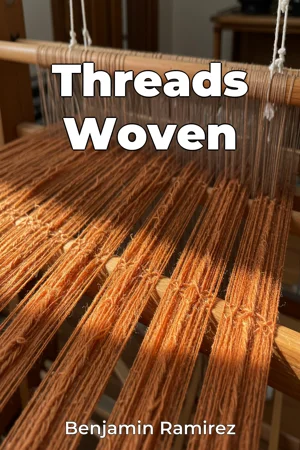
Have you ever considered the intricate journey of fabric, from the earliest hand-spun threads to the complex textiles that shape our modern world? "Threads Woven" explores this fascinating evolution, revealing how weaving has not only clothed humanity but also influenced our cultures, economies, and artistic expressions. This book delves into the rich history of textile production, examining its impact on design and society. We focus on three primary areas: the origins of weaving techniques and technologies, the social and economic transformations driven by textile industries, and the aesthetic and cultural significance of woven materials across different societies. Understanding these areas is crucial because textiles are not merely functional items; they represent a tangible record of human ingenuity, trade, and cultural exchange. The book begins by establishing the historical context, tracing the earliest evidence of woven materials back to prehistoric times. It examines the development of fundamental weaving technologies, such as looms and spinning wheels, and their impact on production efficiency. No prior technical knowledge is required; the book provides clear explanations of weaving processes and their underlying principles. "Threads Woven" argues that textile production has been a consistent engine of innovation, driving technological and social change throughout history. It demonstrates this argument by presenting a detailed examination of textile manufacturing's impact from ancient civilizations to the Industrial Revolution and beyond. The book is structured into three main parts. First, we introduce the fundamental principles of weaving and the materials used, discussing the properties of natural fibers like cotton, wool, and silk. Second, we delve into the history of textile production, covering key periods and geographical regions, analyzing how different societies developed unique weaving techniques and styles. This section includes case studies from ancient Egypt, medieval Europe, and pre-Columbian America. Third, we examine the modern textile industry, exploring the rise of mass production, the impact of synthetic fibers, and the challenges of sustainability and ethical labor practices. The book culminates with a discussion of the future of textiles, considering the potential of new materials and technologies. To support our arguments, "Threads Woven" relies on a diverse range of evidence, including archaeological findings, historical documents, museum collections, and contemporary industry reports. We also incorporate insights from textile artists, designers, and historians, offering a multifaceted perspective on the subject. "Threads Woven" connects to several interdisciplinary fields. It relates to anthropology by examining the cultural significance of textiles in different societies, to economics by analyzing the economic impact of textile industries, and to art history by exploring the aesthetic dimensions of woven designs. These connections enrich the book's analysis, providing a more comprehensive understanding of the subject. Our book offers a unique perspective by examining the interconnectedness of technology, society, and culture in the context of textile production. We emphasize the role of textiles as a medium of communication and cultural expression, highlighting the stories woven into every fabric. The writing style is accessible and engaging, designed to appeal to a broad audience. While grounded in rigorous research, the book avoids overly technical jargon, making it suitable for both academic and general readers. The target audience includes students of history, design, and cultural studies, as well as anyone with an interest in textiles, fashion, or material culture. The book provides valuable insights into the historical roots of the modern fashion industry and the ongoing debates about sustainability and ethical production. As a work of non-fiction history and design, "Threads Woven" adheres to the conventions of scholarly research, providing clear citations and a comprehensive bibliography. It also incorporates visual elements, such as photographs and illustrations, to enhance the reader's understanding of weaving techniques and textile designs. The scope of "Threads Woven" is broad, covering a wide range of historical periods and geographical regions. However, it focuses primarily on woven textiles, with less emphasis on other forms of fabric production, such as knitting or lacemaking. The information presented can be directly applied to understanding current issues in the fashion industry, such as the environmental impact of textile waste and the labor practices of global supply chains. It also provides a historical perspective on the ongoing debate about the role of technology in shaping our material culture. "Threads Woven" addresses several ongoing debates in the field, including discussions about the relative importance of technology versus cultural factors in shaping textile traditions, and the ethical implications of globalization and mass production. By exploring these controversies, the book encourages readers to think critically about the complex issues surrounding textile production and consumption in the 21st century.
Have you ever considered the intricate journey of fabric, from the earliest hand-spun threads to the complex textiles that shape our modern world? "Threads Woven" explores this fascinating evolution, revealing how weaving has not only clothed humanity but also influenced our cultures, economies, and artistic expressions. This book delves into the rich history of textile production, examining its impact on design and society. We focus on three primary areas: the origins of weaving techniques and technologies, the social and economic transformations driven by textile industries, and the aesthetic and cultural significance of woven materials across different societies. Understanding these areas is crucial because textiles are not merely functional items; they represent a tangible record of human ingenuity, trade, and cultural exchange. The book begins by establishing the historical context, tracing the earliest evidence of woven materials back to prehistoric times. It examines the development of fundamental weaving technologies, such as looms and spinning wheels, and their impact on production efficiency. No prior technical knowledge is required; the book provides clear explanations of weaving processes and their underlying principles. "Threads Woven" argues that textile production has been a consistent engine of innovation, driving technological and social change throughout history. It demonstrates this argument by presenting a detailed examination of textile manufacturing's impact from ancient civilizations to the Industrial Revolution and beyond. The book is structured into three main parts. First, we introduce the fundamental principles of weaving and the materials used, discussing the properties of natural fibers like cotton, wool, and silk. Second, we delve into the history of textile production, covering key periods and geographical regions, analyzing how different societies developed unique weaving techniques and styles. This section includes case studies from ancient Egypt, medieval Europe, and pre-Columbian America. Third, we examine the modern textile industry, exploring the rise of mass production, the impact of synthetic fibers, and the challenges of sustainability and ethical labor practices. The book culminates with a discussion of the future of textiles, considering the potential of new materials and technologies. To support our arguments, "Threads Woven" relies on a diverse range of evidence, including archaeological findings, historical documents, museum collections, and contemporary industry reports. We also incorporate insights from textile artists, designers, and historians, offering a multifaceted perspective on the subject. "Threads Woven" connects to several interdisciplinary fields. It relates to anthropology by examining the cultural significance of textiles in different societies, to economics by analyzing the economic impact of textile industries, and to art history by exploring the aesthetic dimensions of woven designs. These connections enrich the book's analysis, providing a more comprehensive understanding of the subject. Our book offers a unique perspective by examining the interconnectedness of technology, society, and culture in the context of textile production. We emphasize the role of textiles as a medium of communication and cultural expression, highlighting the stories woven into every fabric. The writing style is accessible and engaging, designed to appeal to a broad audience. While grounded in rigorous research, the book avoids overly technical jargon, making it suitable for both academic and general readers. The target audience includes students of history, design, and cultural studies, as well as anyone with an interest in textiles, fashion, or material culture. The book provides valuable insights into the historical roots of the modern fashion industry and the ongoing debates about sustainability and ethical production. As a work of non-fiction history and design, "Threads Woven" adheres to the conventions of scholarly research, providing clear citations and a comprehensive bibliography. It also incorporates visual elements, such as photographs and illustrations, to enhance the reader's understanding of weaving techniques and textile designs. The scope of "Threads Woven" is broad, covering a wide range of historical periods and geographical regions. However, it focuses primarily on woven textiles, with less emphasis on other forms of fabric production, such as knitting or lacemaking. The information presented can be directly applied to understanding current issues in the fashion industry, such as the environmental impact of textile waste and the labor practices of global supply chains. It also provides a historical perspective on the ongoing debate about the role of technology in shaping our material culture. "Threads Woven" addresses several ongoing debates in the field, including discussions about the relative importance of technology versus cultural factors in shaping textile traditions, and the ethical implications of globalization and mass production. By exploring these controversies, the book encourages readers to think critically about the complex issues surrounding textile production and consumption in the 21st century.
"Threads Woven" explores the captivating history of textiles, revealing how weaving has profoundly shaped cultures, economies, and artistic expressions worldwide. From ancient hand-spun threads to modern industrial fabrics, the book uncovers textiles' cultural significance and their role as a tangible record of human ingenuity. Surprisingly, textiles have not only clothed humanity but also propelled technological advancements, evidenced by innovations like the loom, which revolutionized production efficiency. The book examines the origins of weaving techniques, the social transformations driven by the textile industry, and the aesthetic value of woven materials. It progresses chronologically, first introducing weaving principles and materials like cotton, wool, and silk. Then it delves into historical periods and regions, showcasing unique weaving styles from ancient Egypt to pre-Columbian America. Finally, it explores the modern textile industry, addressing mass production, synthetic fibers, and sustainability challenges. By examining archaeological findings, historical documents, and insights from artists and designers, "Threads Woven" offers a multifaceted perspective. It connects to anthropology, economics, and art history, enriching the analysis and offering a comprehensive understanding of how textiles serve as a medium of communication and cultural expression, making it valuable for those interested in history, design, and cultural studies.
Book Details
ISBN
9788235294166
Publisher
Publifye AS
Your Licenses
You don't own any licenses for this book
Purchase a license below to unlock this book and download the EPUB.
Purchase License
Select a tier to unlock this book
Need bulk licensing?
Contact us for enterprise agreements.