
About This Book
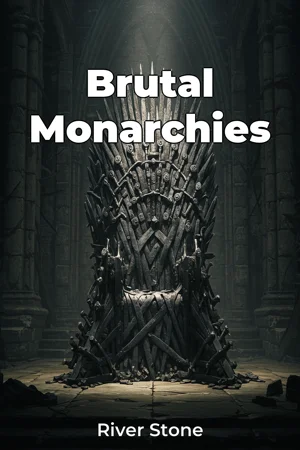
What happens when absolute power corrupts absolutely? "Brutal Monarchies" delves into the lives and legacies of history's most ruthless rulers, examining not only their oppressive methods but also the factors that led to their eventual downfall. This book explores the dark side of leadership, offering a compelling analysis of tyranny, its consequences, and its impact on the course of history. We will explore several key themes. First, the nature of autocracy and its corrosive effects on society, examining how unchecked authority can lead to widespread suffering and injustice. Second, the psychology of despots, analyzing the motivations, insecurities, and personal histories that shaped their brutal rule. Finally, we will analyze the mechanisms of resistance, exploring how oppressed populations fought back against tyranny, and how these struggles ultimately contributed to the monarchs' demise. Understanding the dynamics of autocratic rule requires a grasp of historical and political contexts. Therefore we will examine the social, economic, and cultural conditions that allowed these monarchs to rise to power and maintain their grip on their societies. We will consider factors such as religious beliefs, economic inequality, and political instability, offering a multifaceted view of the environments in which these tyrants thrived. The central argument of "Brutal Monarchies" is that while ruthless tactics can secure power in the short term, they ultimately sow the seeds of their own destruction. By examining a range of case studies across different historical periods and geographical locations, this book demonstrates that sustained oppression inevitably leads to resistance, rebellion, and the collapse of even the most seemingly invincible regimes. The book unfolds in three major parts. The first section introduces the concept of ruthless monarchy, establishing a framework for understanding the characteristics of tyrannical rule and outlining the historical context in which these regimes emerged. The second section delves into specific case studies, examining the lives and reigns of particularly notorious monarchs. Each case study will analyze their methods of control, the impact of their actions on their subjects, and the factors that contributed to their downfall. Regimes such as that of Vlad the Impaler, Qin Shi Huang, and Leopold II of Belgium will be critically examined. The concluding section synthesizes these individual narratives, drawing broader conclusions about the nature of tyranny, the dynamics of resistance, and the legacy of brutal monarchies in the modern world. To support these arguments, "Brutal Monarchies" will draw upon a wide range of primary and secondary sources, including historical chronicles, biographical accounts, political treatises, and archaeological evidence. Special attention will be paid to incorporating perspectives from marginalized voices and perspectives that were suppressed by the regimes in question, providing a more nuanced and complete picture of these historical events. "Brutal Monarchies" connects to several other fields of study, including political science, psychology, and sociology. By exploring the psychology of despots, we can gain insights into the nature of power and its corrupting influence. By examining the social and economic conditions that give rise to tyranny, we can better understand the root causes of political instability and social unrest. These interdisciplinary connections enrich the analysis and make the book relevant to a wide range of readers. This book distinguishes itself by taking a comparative approach, analyzing ruthless monarchs across different cultures and time periods to identify common patterns and unique characteristics. It avoids sensationalism, focusing instead on rigorous historical analysis and evidence-based arguments. The tone of "Brutal Monarchies" is serious, analytical, and objective. While the subject matter is inherently dramatic, the book maintains a scholarly approach, presenting information in a clear, concise, and well-documented manner. This book is targeted toward readers interested in history, political science, and biography, as well as anyone seeking a deeper understanding of the dynamics of power and the consequences of tyranny. It will appeal to students, researchers, and general readers alike. As a work of history and biography, "Brutal Monarchies" aims to provide an accurate and insightful account of the lives and reigns of these controversial figures, adhering to the standards of historical scholarship and biographical writing. The scope of "Brutal Monarchies" is intentionally broad, encompassing a range of historical periods and geographical locations. However, the book focuses specifically on monarchs whose rule was characterized by extreme brutality and oppression, excluding rulers who, while authoritarian, did not exhibit the same level of ruthlessness. The lessons of "Brutal Monarchies" have practical applications in the modern world. By understanding the dynamics of tyranny, we can better recognize and resist authoritarian tendencies in contemporary politics. The interpretation of certain historical figures and events is often subject to debate. Where applicable, "Brutal Monarchies" will acknowledge these controversies, presenting different perspectives and offering its own informed analysis.
What happens when absolute power corrupts absolutely? "Brutal Monarchies" delves into the lives and legacies of history's most ruthless rulers, examining not only their oppressive methods but also the factors that led to their eventual downfall. This book explores the dark side of leadership, offering a compelling analysis of tyranny, its consequences, and its impact on the course of history. We will explore several key themes. First, the nature of autocracy and its corrosive effects on society, examining how unchecked authority can lead to widespread suffering and injustice. Second, the psychology of despots, analyzing the motivations, insecurities, and personal histories that shaped their brutal rule. Finally, we will analyze the mechanisms of resistance, exploring how oppressed populations fought back against tyranny, and how these struggles ultimately contributed to the monarchs' demise. Understanding the dynamics of autocratic rule requires a grasp of historical and political contexts. Therefore we will examine the social, economic, and cultural conditions that allowed these monarchs to rise to power and maintain their grip on their societies. We will consider factors such as religious beliefs, economic inequality, and political instability, offering a multifaceted view of the environments in which these tyrants thrived. The central argument of "Brutal Monarchies" is that while ruthless tactics can secure power in the short term, they ultimately sow the seeds of their own destruction. By examining a range of case studies across different historical periods and geographical locations, this book demonstrates that sustained oppression inevitably leads to resistance, rebellion, and the collapse of even the most seemingly invincible regimes. The book unfolds in three major parts. The first section introduces the concept of ruthless monarchy, establishing a framework for understanding the characteristics of tyrannical rule and outlining the historical context in which these regimes emerged. The second section delves into specific case studies, examining the lives and reigns of particularly notorious monarchs. Each case study will analyze their methods of control, the impact of their actions on their subjects, and the factors that contributed to their downfall. Regimes such as that of Vlad the Impaler, Qin Shi Huang, and Leopold II of Belgium will be critically examined. The concluding section synthesizes these individual narratives, drawing broader conclusions about the nature of tyranny, the dynamics of resistance, and the legacy of brutal monarchies in the modern world. To support these arguments, "Brutal Monarchies" will draw upon a wide range of primary and secondary sources, including historical chronicles, biographical accounts, political treatises, and archaeological evidence. Special attention will be paid to incorporating perspectives from marginalized voices and perspectives that were suppressed by the regimes in question, providing a more nuanced and complete picture of these historical events. "Brutal Monarchies" connects to several other fields of study, including political science, psychology, and sociology. By exploring the psychology of despots, we can gain insights into the nature of power and its corrupting influence. By examining the social and economic conditions that give rise to tyranny, we can better understand the root causes of political instability and social unrest. These interdisciplinary connections enrich the analysis and make the book relevant to a wide range of readers. This book distinguishes itself by taking a comparative approach, analyzing ruthless monarchs across different cultures and time periods to identify common patterns and unique characteristics. It avoids sensationalism, focusing instead on rigorous historical analysis and evidence-based arguments. The tone of "Brutal Monarchies" is serious, analytical, and objective. While the subject matter is inherently dramatic, the book maintains a scholarly approach, presenting information in a clear, concise, and well-documented manner. This book is targeted toward readers interested in history, political science, and biography, as well as anyone seeking a deeper understanding of the dynamics of power and the consequences of tyranny. It will appeal to students, researchers, and general readers alike. As a work of history and biography, "Brutal Monarchies" aims to provide an accurate and insightful account of the lives and reigns of these controversial figures, adhering to the standards of historical scholarship and biographical writing. The scope of "Brutal Monarchies" is intentionally broad, encompassing a range of historical periods and geographical locations. However, the book focuses specifically on monarchs whose rule was characterized by extreme brutality and oppression, excluding rulers who, while authoritarian, did not exhibit the same level of ruthlessness. The lessons of "Brutal Monarchies" have practical applications in the modern world. By understanding the dynamics of tyranny, we can better recognize and resist authoritarian tendencies in contemporary politics. The interpretation of certain historical figures and events is often subject to debate. Where applicable, "Brutal Monarchies" will acknowledge these controversies, presenting different perspectives and offering its own informed analysis.
"Brutal Monarchies" explores the lives and legacies of history's most ruthless rulers, examining their oppressive tactics and the factors leading to their downfall. The book delves into the nature of autocracy, revealing how unchecked power can lead to widespread suffering. It also analyzes the psychology of despots, exploring the motivations and insecurities that shaped their brutal reigns. A key insight is that while ruthlessness may secure power in the short term, it ultimately sows the seeds of destruction. The book examines social, economic, and cultural conditions that enabled these monarchs to rise and maintain power by drawing upon historical chronicles, biographical accounts, and political treatises. The analysis spans various historical periods and geographical locations, using case studies of notorious monarchs like Vlad the Impaler, Qin Shi Huang, and Leopold II of Belgium. Each case study analyzes their methods of control, their impact on their subjects, and factors contributing to their demise. The book progresses in three parts: an introduction to tyrannical rule, specific case studies, and a synthesis drawing broader conclusions about tyranny and resistance. This approach offers a comparative analysis of ruthless monarchs across cultures and time, avoiding sensationalism while focusing on rigorous historical analysis. By understanding the dynamics of tyranny, readers can better recognize and resist authoritarian tendencies.
Book Details
ISBN
9788235293947
Publisher
Publifye AS
Your Licenses
You don't own any licenses for this book
Purchase a license below to unlock this book and download the EPUB.
Purchase License
Select a tier to unlock this book
Need bulk licensing?
Contact us for enterprise agreements.