
About This Book
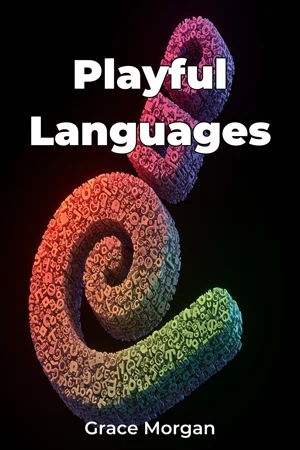
Have you ever considered that humor isn't a universal language, but rather a collection of dialects crafted by the nuances of culture and linguistic playfulness? "Playful Languages" delves into the world of linguistic humor, exploring how different languages utilize tongue twisters, tricky words, and distinctive linguistic structures to generate puns, jokes, and other forms of comedic expression. This book is important because it illuminates how humor is not merely a source of entertainment but also a reflection of cultural values, cognitive processes, and the inherent flexibility of language itself. The book’s central argument is that humor, while deeply rooted in linguistic and cultural specifics, offers a unique window into understanding the universal cognitive mechanisms that govern language processing and creative thinking. It investigates how wordplay exploits ambiguities, challenges expectations, and relies on shared cultural references to elicit laughter. Understanding these mechanisms allows us to appreciate the complexities of cross-cultural communication and the challenges of translating humor. "Playful Languages" is structured to systematically explore linguistic humor. It begins by introducing fundamental concepts such as phonetics, morphology, and semantics—essential building blocks for understanding how wordplay operates. The main body of the book is divided into three sections. The first section examines tongue twisters across different languages, analyzing the phonetic challenges they present and how these challenges contribute to their comedic effect. The second delves into tricky words and ambiguous constructions, highlighting the diverse ways languages create opportunities for puns and double entendres. The third broadens the scope, focusing on how different cultures construct jokes, narratives, and comedic routines based on unique linguistic and cultural frameworks. The culmination of the argument is a discussion on the implications of linguistic humor for language learning, translation, and intercultural communication skills. The practical implications are explored by considering how understanding humor enhances language acquisition and bridges cultural gaps. The evidence and research presented draw from a range of sources, including linguistic analyses of jokes and puns, comparative studies of humor across cultures, and experimental research on cognitive processing of ambiguous language. The book utilizes data from corpora of translated jokes and comedic texts, providing empirical support for its claims about the cultural specificity of humor. The book connects to several interdisciplinary fields. It engages with cognitive science by examining the mental processes involved in understanding and appreciating humor. It also intersects with cultural studies by exploring how jokes reflect and reinforce societal norms and values. Finally, it relates to translation studies by addressing the difficulties of conveying humor across linguistic and cultural boundaries. "Playful Languages" adopts a conversational yet informative tone, making complex linguistic concepts accessible. It aims to provide a comprehensive yet engaging exploration of linguistic humor. The target audience includes students of linguistics, foreign languages, and cultural studies, as well as anyone interested in the intersection of language, humor, and culture. For language learners, it offers a fun route to understanding the nuances of language and culture. As a non-fiction work in language arts, this book will adhere to standards of academic rigor. The scope is broad, covering a range of languages and comedic styles, but is limited to an introductory exploration. It does not delve into the neurological aspects of humor processing. The information can be applied practically in language education to improve communication skills. It also offers insights into challenges of translating humorous content. While there is general agreement on the role of humor in language and culture, debates continue on whether some forms of humor are universally understood and whether it's possible to translate humor accurately across cultures. This book acknowledges and addresses these debates.
Have you ever considered that humor isn't a universal language, but rather a collection of dialects crafted by the nuances of culture and linguistic playfulness? "Playful Languages" delves into the world of linguistic humor, exploring how different languages utilize tongue twisters, tricky words, and distinctive linguistic structures to generate puns, jokes, and other forms of comedic expression. This book is important because it illuminates how humor is not merely a source of entertainment but also a reflection of cultural values, cognitive processes, and the inherent flexibility of language itself. The book’s central argument is that humor, while deeply rooted in linguistic and cultural specifics, offers a unique window into understanding the universal cognitive mechanisms that govern language processing and creative thinking. It investigates how wordplay exploits ambiguities, challenges expectations, and relies on shared cultural references to elicit laughter. Understanding these mechanisms allows us to appreciate the complexities of cross-cultural communication and the challenges of translating humor. "Playful Languages" is structured to systematically explore linguistic humor. It begins by introducing fundamental concepts such as phonetics, morphology, and semantics—essential building blocks for understanding how wordplay operates. The main body of the book is divided into three sections. The first section examines tongue twisters across different languages, analyzing the phonetic challenges they present and how these challenges contribute to their comedic effect. The second delves into tricky words and ambiguous constructions, highlighting the diverse ways languages create opportunities for puns and double entendres. The third broadens the scope, focusing on how different cultures construct jokes, narratives, and comedic routines based on unique linguistic and cultural frameworks. The culmination of the argument is a discussion on the implications of linguistic humor for language learning, translation, and intercultural communication skills. The practical implications are explored by considering how understanding humor enhances language acquisition and bridges cultural gaps. The evidence and research presented draw from a range of sources, including linguistic analyses of jokes and puns, comparative studies of humor across cultures, and experimental research on cognitive processing of ambiguous language. The book utilizes data from corpora of translated jokes and comedic texts, providing empirical support for its claims about the cultural specificity of humor. The book connects to several interdisciplinary fields. It engages with cognitive science by examining the mental processes involved in understanding and appreciating humor. It also intersects with cultural studies by exploring how jokes reflect and reinforce societal norms and values. Finally, it relates to translation studies by addressing the difficulties of conveying humor across linguistic and cultural boundaries. "Playful Languages" adopts a conversational yet informative tone, making complex linguistic concepts accessible. It aims to provide a comprehensive yet engaging exploration of linguistic humor. The target audience includes students of linguistics, foreign languages, and cultural studies, as well as anyone interested in the intersection of language, humor, and culture. For language learners, it offers a fun route to understanding the nuances of language and culture. As a non-fiction work in language arts, this book will adhere to standards of academic rigor. The scope is broad, covering a range of languages and comedic styles, but is limited to an introductory exploration. It does not delve into the neurological aspects of humor processing. The information can be applied practically in language education to improve communication skills. It also offers insights into challenges of translating humorous content. While there is general agreement on the role of humor in language and culture, debates continue on whether some forms of humor are universally understood and whether it's possible to translate humor accurately across cultures. This book acknowledges and addresses these debates.
"Playful Languages" explores the fascinating intersection of language and humor, revealing how jokes, puns, and wordplay vary across cultures. The book demonstrates that humor is not universal but shaped by linguistic nuances and cultural values. For example, tongue twisters, seemingly simple, present unique phonetic challenges that tickle our funny bone, while tricky words create opportunities for comedic misunderstandings. Understanding linguistic humor enriches our appreciation for the flexibility of language and the complexities of intercultural communication. The book systematically explores linguistic humor. It begins with the basics of phonetics and semantics, then examines tongue twisters, tricky words, and culturally unique jokes. By analyzing comedic expressions, the book illuminates how humor reflects societal norms and cognitive processes. The research draws from linguistic analyses, comparative studies, and experimental data. It connects to cognitive science, cultural studies, and translation studies, offering insights for language learning and bridging cultural gaps. Ultimately, "Playful Languages" argues that studying linguistic humor enhances language acquisition and intercultural understanding. The book adopts a conversational yet informative tone, making it accessible to students of linguistics, foreign languages, and anyone intrigued by the interplay of language, humor, and culture. It shows how linguistic humor offers a playful yet profound way to explore the world.
Book Details
ISBN
9788235293916
Publisher
Publifye AS
Your Licenses
You don't own any licenses for this book
Purchase a license below to unlock this book and download the EPUB.
Purchase License
Select a tier to unlock this book
Need bulk licensing?
Contact us for enterprise agreements.