
About This Book
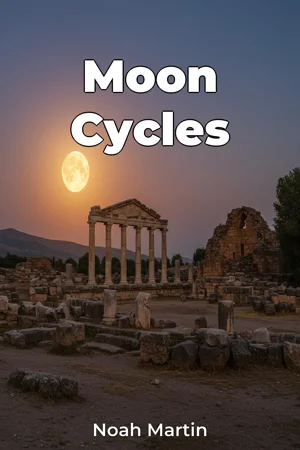
Did you know that the moon, our celestial neighbor, dictates the rhythm of some of the world's most significant religious observances? "Moon Cycles" delves into the profound influence of lunar phases on the calendars, rituals, and spiritual practices of diverse faiths across the globe. This book explores how the moon's cyclical journey shapes religious holidays, directs daily prayers, and governs periods of fasting, offering a unique interdisciplinary perspective that blends Earth Sciences, Geography, and Religion. We will examine two key topics: firstly, the historical development of lunar calendars and their adoption by various religious traditions; secondly, the specific ways in which different faiths interpret and respond to lunar cycles in their religious practices. The book argues that understanding these lunar influences offers deep insights into the cultural and spiritual foundations of many religions. As the book unfolds, it will reveal how lunar cycles have long shaped human spirituality and how an awareness of these cycles can foster greater interfaith understanding. Understanding the book requires no specialized knowledge, only a curiosity about the intersection of science and religion. We will provide basic explanations of lunar phases and calendar systems. The central argument emphasizes that lunar cycles are not merely astronomical phenomena but potent cultural forces that have shaped religious identity and practice for millennia. "Moon Cycles" is structured to first introduce the basic astronomy of the moon and the historical development of lunar calendars. It then explores lunar influences in three major religious areas: Abrahamic religions (Islam and Judaism), Eastern religions (Hinduism and Buddhism), and selected indigenous faiths. The book culminates by considering the implications of lunar-based observances in a globalized world, exploring how these traditions are adapting and evolving in contemporary society. Supporting the book's arguments is a diverse array of evidence, drawing from historical texts, anthropological studies, and astronomical data. Key sources include ancient religious texts, ethnographic research on contemporary religious practices, cross-cultural comparisons of ritual calendars, and analyses of astronomical observations. Interdisciplinary connections form a vital part of "Moon Cycles," connecting religious studies with astronomy, anthropology, and cultural geography. This approach provides a holistic understanding of the moon’s impact, revealing its significance not just in the skies, but in the hearts and minds of people across the world. "Moon Cycles" takes a unique approach by combining scientific analysis of lunar movements with detailed ethnographic studies of religious practices. It offers a balanced perspective, respecting the diverse beliefs and traditions it explores, while maintaining a rigorous commitment to factual accuracy. The tone is informative and accessible, avoiding jargon and technical terminology where possible. Instead, the book aims to engage with the reader through clear explanations, compelling stories, and thought-provoking analysis. The target audience includes students of religion, astronomy enthusiasts, cultural geographers, and anyone interested in the intersection of science and spirituality. General readers seeking to broaden their understanding of global cultures and religious traditions will also find the book valuable. As a work of non-fiction, "Moon Cycles" is built upon verifiable facts and evidence-based arguments. It avoids speculative claims and presents information in a clear, unbiased manner. While the book covers a broad range of religious practices, it acknowledges the limitations of its scope, focusing on selected case studies to illustrate key themes rather than attempting an exhaustive survey of every lunar-influenced religion. The information in "Moon Cycles" can be applied practically by fostering greater cultural sensitivity and interfaith dialogue. By understanding the lunar origins of religious observances, readers can develop a deeper appreciation for the diversity of human spiritual expression. The book also touches on ongoing debates within certain religious communities regarding the precise methods of calculating lunar calendars, and highlights different interpretations of the role of lunar cycles by different religious authorities.
Did you know that the moon, our celestial neighbor, dictates the rhythm of some of the world's most significant religious observances? "Moon Cycles" delves into the profound influence of lunar phases on the calendars, rituals, and spiritual practices of diverse faiths across the globe. This book explores how the moon's cyclical journey shapes religious holidays, directs daily prayers, and governs periods of fasting, offering a unique interdisciplinary perspective that blends Earth Sciences, Geography, and Religion. We will examine two key topics: firstly, the historical development of lunar calendars and their adoption by various religious traditions; secondly, the specific ways in which different faiths interpret and respond to lunar cycles in their religious practices. The book argues that understanding these lunar influences offers deep insights into the cultural and spiritual foundations of many religions. As the book unfolds, it will reveal how lunar cycles have long shaped human spirituality and how an awareness of these cycles can foster greater interfaith understanding. Understanding the book requires no specialized knowledge, only a curiosity about the intersection of science and religion. We will provide basic explanations of lunar phases and calendar systems. The central argument emphasizes that lunar cycles are not merely astronomical phenomena but potent cultural forces that have shaped religious identity and practice for millennia. "Moon Cycles" is structured to first introduce the basic astronomy of the moon and the historical development of lunar calendars. It then explores lunar influences in three major religious areas: Abrahamic religions (Islam and Judaism), Eastern religions (Hinduism and Buddhism), and selected indigenous faiths. The book culminates by considering the implications of lunar-based observances in a globalized world, exploring how these traditions are adapting and evolving in contemporary society. Supporting the book's arguments is a diverse array of evidence, drawing from historical texts, anthropological studies, and astronomical data. Key sources include ancient religious texts, ethnographic research on contemporary religious practices, cross-cultural comparisons of ritual calendars, and analyses of astronomical observations. Interdisciplinary connections form a vital part of "Moon Cycles," connecting religious studies with astronomy, anthropology, and cultural geography. This approach provides a holistic understanding of the moon’s impact, revealing its significance not just in the skies, but in the hearts and minds of people across the world. "Moon Cycles" takes a unique approach by combining scientific analysis of lunar movements with detailed ethnographic studies of religious practices. It offers a balanced perspective, respecting the diverse beliefs and traditions it explores, while maintaining a rigorous commitment to factual accuracy. The tone is informative and accessible, avoiding jargon and technical terminology where possible. Instead, the book aims to engage with the reader through clear explanations, compelling stories, and thought-provoking analysis. The target audience includes students of religion, astronomy enthusiasts, cultural geographers, and anyone interested in the intersection of science and spirituality. General readers seeking to broaden their understanding of global cultures and religious traditions will also find the book valuable. As a work of non-fiction, "Moon Cycles" is built upon verifiable facts and evidence-based arguments. It avoids speculative claims and presents information in a clear, unbiased manner. While the book covers a broad range of religious practices, it acknowledges the limitations of its scope, focusing on selected case studies to illustrate key themes rather than attempting an exhaustive survey of every lunar-influenced religion. The information in "Moon Cycles" can be applied practically by fostering greater cultural sensitivity and interfaith dialogue. By understanding the lunar origins of religious observances, readers can develop a deeper appreciation for the diversity of human spiritual expression. The book also touches on ongoing debates within certain religious communities regarding the precise methods of calculating lunar calendars, and highlights different interpretations of the role of lunar cycles by different religious authorities.
"Moon Cycles" explores the deep connection between lunar phases and religious observances across diverse faiths, blending Earth Sciences, Geography, and Religion. It reveals how lunar calendars historically shape religious holidays, fasting periods, and daily prayers. Intriguingly, the book highlights how different faiths interpret and respond to lunar cycles, offering insights into cultural and spiritual foundations; for example, many religious traditions use lunar cycles to determine the timing of their most sacred festivals, demonstrating the moon's pervasive influence. The book uniquely combines scientific analysis of lunar movements with ethnographic studies of religious practices, maintaining a balanced perspective while offering a rigorous commitment to factual accuracy. Structured to first introduce lunar astronomy and calendar development, "Moon Cycles" then explores lunar influences in Abrahamic, Eastern, and indigenous religions, culminating in a discussion of lunar-based traditions in today's globalized world. This approach helps foster interfaith understanding by revealing the astronomical underpinnings of varied spiritual traditions.
Book Details
ISBN
9788235293824
Publisher
Publifye AS
Your Licenses
You don't own any licenses for this book
Purchase a license below to unlock this book and download the EPUB.
Purchase License
Select a tier to unlock this book
Need bulk licensing?
Contact us for enterprise agreements.