
About This Book
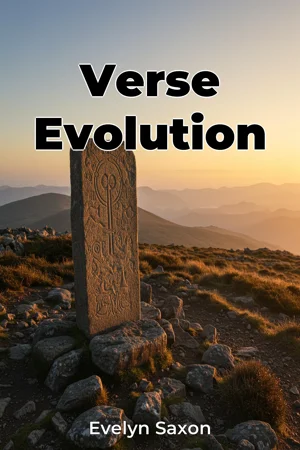
How did we arrive at free verse from the incised poems on ancient stones? "Verse Evolution" embarks on a comprehensive journey, tracing the development of poetic forms from their earliest manifestations to contemporary free verse. This book explores not only the historical progression of poetic structures but also the social, cultural, and technological forces that shaped their evolution. Understanding this trajectory is vital for poets, scholars, and anyone interested in appreciating the nuances of poetry’s enduring power. This exploration hinges on three key concepts: the interplay between form and content in poetry, the influence of societal changes on poetic expression, and the role of individual innovation in reshaping established conventions. These topics are crucial because they reveal how poetry functions as both a mirror and a shaper of human experience. "Verse Evolution" situates the development of poetic forms within a broad historical context, examining the impact of oral traditions, the invention of writing, the rise of printing, and the digital revolution on the creation and dissemination of poetry. It assumes that the reader has a basic understanding of literary terminology and a general familiarity with Western history and culture. The central argument of this book posits that poetic forms are not static entities but rather dynamic systems that continuously adapt to reflect the evolving needs and perspectives of their creators and audiences. This argument is essential because it challenges conventional notions of poetic tradition and highlights the ongoing relevance of poetic innovation. The book unfolds in three major sections. First, it introduces the earliest forms of poetry, analyzing inscriptions and oral traditions to understand the origins of meter, rhyme, and stanza. Second, it examines the development of fixed forms such as sonnets, villanelles, and sestinas, tracing their evolution across different historical periods and cultural contexts. Third, it culminates in an analysis of free verse and other contemporary forms, exploring the challenges and opportunities they present for poetic expression. The arguments presented are supported by a wide range of evidence, including analyses of historical texts, comparative studies of different poetic traditions, and case studies of individual poets and movements. Unique data sources include digitized collections of early printed books and online databases of contemporary poetry. This book connects to other fields such as history, sociology, and linguistics. History provides the context for understanding the social and political forces that shaped poetic forms. Sociology offers insights into the ways in which poetry reflects and reinforces social norms. Linguistics provides the tools for analyzing the structure and sound of poetry. "Verse Evolution" offers a unique perspective by examining the development of poetic forms from a historical and cultural perspective, emphasizing the relationship between form and content and the role of individual agency in shaping poetic tradition. The tone is academic but accessible, aiming to engage both specialists and general readers. The writing style combines close readings of individual poems with broad historical surveys. The target audience includes students of literature, creative writing, and cultural history, as well as general readers with an interest in poetry. The book is valuable to them because it provides a comprehensive overview of the development of poetic forms and offers new insights into the relationship between poetry and culture. As an essay-driven history and literary collection, "Verse Evolution" adheres to the conventions of academic scholarship, including rigorous research, clear argumentation, and detailed documentation. The book's scope is limited to the Western poetic tradition, with occasional references to other traditions for comparative purposes. This limitation allows for a more in-depth analysis of the specific historical and cultural forces that shaped the development of Western poetic forms. The information in this book can be applied practically by poets seeking to understand the traditions they are working within, scholars seeking to contextualize individual poems and movements, and readers seeking to deepen their appreciation of poetry. The book addresses ongoing debates about the definition of poetry, the value of traditional forms, and the role of innovation in poetic expression.
How did we arrive at free verse from the incised poems on ancient stones? "Verse Evolution" embarks on a comprehensive journey, tracing the development of poetic forms from their earliest manifestations to contemporary free verse. This book explores not only the historical progression of poetic structures but also the social, cultural, and technological forces that shaped their evolution. Understanding this trajectory is vital for poets, scholars, and anyone interested in appreciating the nuances of poetry’s enduring power. This exploration hinges on three key concepts: the interplay between form and content in poetry, the influence of societal changes on poetic expression, and the role of individual innovation in reshaping established conventions. These topics are crucial because they reveal how poetry functions as both a mirror and a shaper of human experience. "Verse Evolution" situates the development of poetic forms within a broad historical context, examining the impact of oral traditions, the invention of writing, the rise of printing, and the digital revolution on the creation and dissemination of poetry. It assumes that the reader has a basic understanding of literary terminology and a general familiarity with Western history and culture. The central argument of this book posits that poetic forms are not static entities but rather dynamic systems that continuously adapt to reflect the evolving needs and perspectives of their creators and audiences. This argument is essential because it challenges conventional notions of poetic tradition and highlights the ongoing relevance of poetic innovation. The book unfolds in three major sections. First, it introduces the earliest forms of poetry, analyzing inscriptions and oral traditions to understand the origins of meter, rhyme, and stanza. Second, it examines the development of fixed forms such as sonnets, villanelles, and sestinas, tracing their evolution across different historical periods and cultural contexts. Third, it culminates in an analysis of free verse and other contemporary forms, exploring the challenges and opportunities they present for poetic expression. The arguments presented are supported by a wide range of evidence, including analyses of historical texts, comparative studies of different poetic traditions, and case studies of individual poets and movements. Unique data sources include digitized collections of early printed books and online databases of contemporary poetry. This book connects to other fields such as history, sociology, and linguistics. History provides the context for understanding the social and political forces that shaped poetic forms. Sociology offers insights into the ways in which poetry reflects and reinforces social norms. Linguistics provides the tools for analyzing the structure and sound of poetry. "Verse Evolution" offers a unique perspective by examining the development of poetic forms from a historical and cultural perspective, emphasizing the relationship between form and content and the role of individual agency in shaping poetic tradition. The tone is academic but accessible, aiming to engage both specialists and general readers. The writing style combines close readings of individual poems with broad historical surveys. The target audience includes students of literature, creative writing, and cultural history, as well as general readers with an interest in poetry. The book is valuable to them because it provides a comprehensive overview of the development of poetic forms and offers new insights into the relationship between poetry and culture. As an essay-driven history and literary collection, "Verse Evolution" adheres to the conventions of academic scholarship, including rigorous research, clear argumentation, and detailed documentation. The book's scope is limited to the Western poetic tradition, with occasional references to other traditions for comparative purposes. This limitation allows for a more in-depth analysis of the specific historical and cultural forces that shaped the development of Western poetic forms. The information in this book can be applied practically by poets seeking to understand the traditions they are working within, scholars seeking to contextualize individual poems and movements, and readers seeking to deepen their appreciation of poetry. The book addresses ongoing debates about the definition of poetry, the value of traditional forms, and the role of innovation in poetic expression.
"Verse Evolution" explores the rich and dynamic history of poetry, tracing its evolution from ancient inscriptions to modern free verse. The book examines how social, cultural, and technological forces have shaped poetic expression and form. It's intriguing to consider that the invention of writing and the digital revolution each significantly impacted how poetry is created and shared. The book is structured in three parts, starting with the earliest forms of poetry, then moving through the development of fixed forms like sonnets and villanelles, and finally culminating in an analysis of contemporary free verse. This historical poetry collection emphasizes the interplay between form and content, highlighting how societal changes influence poetic expression. Ultimately, "Verse Evolution" argues that poetic forms are not static but continuously adapt, challenging conventional notions of poetic tradition.
Book Details
ISBN
9788235293633
Publisher
Publifye AS
Your Licenses
You don't own any licenses for this book
Purchase a license below to unlock this book and download the EPUB.
Purchase License
Select a tier to unlock this book
Need bulk licensing?
Contact us for enterprise agreements.