
About This Book
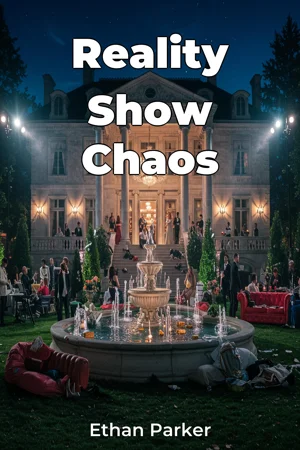
Why do we find ourselves captivated by the manufactured drama and often-bizarre antics of reality television? "Reality Show Chaos" delves into the heart of this cultural phenomenon, examining the elements that transform unscripted moments into compelling entertainment. This book explores the surprising power of carefully orchestrated chaos and its profound impact on both the television landscape and our understanding of contemporary society. Two key topics form the foundation of this exploration: the deliberate engineering of unscripted moments for maximum comedic effect, and the unforeseen consequences arising from the inherent unpredictability of human behavior within contrived situations. Understanding these elements is crucial for anyone seeking to understand the enduring appeal and cultural significance of reality TV. This book situates reality television within a broader historical context, tracing its evolution from early documentary-style programming to the highly produced and often sensationalized formats prevalent today. Prior understanding of basic film and television production techniques will be helpful but is not required. The central argument of "Reality Show Chaos" is that the success of reality television hinges on a delicate balance between scripted intention and genuine spontaneity. The most memorable and amusing moments arise not simply from random occurrences, but from the clash between producers' attempts to mold narratives and participants' unpredictable actions. It is this dance that generates entertainment. The book is structured to progressively unpack this argument. Part one introduces the core concepts of manufactured drama and the illusion of reality, drawing examples from landmark shows across the genre. Part two examines two major points: first, the manipulation of environments and casting choices to encourage conflict and absurdity; second, the role of editing and post-production in shaping narratives and amplifying comedic moments. Part three culminates in an analysis of the broader implications of reality television's success, focusing on its impact on social perceptions and the blurring lines between entertainment and reality. Finally, the book explores practical applications of understanding reality TV's dynamics, from media literacy to the creation of more authentic and engaging content. The arguments presented are supported by a range of evidence, including detailed analyses of specific episodes, interviews with producers and participants (publicly available), and audience reception studies. The book also incorporates data from ratings reports and social media analytics to illustrate trends in viewership and online engagement. "Reality Show Chaos" connects to several other fields of study, including sociology (cultural norms and deviance), psychology (behavioral studies and the effects of media), and communication studies (rhetoric and the construction of narratives). These interdisciplinary connections enrich the book's analysis, providing a more holistic understanding of the phenomenon. This book offers a unique perspective by focusing not just on the sensational aspects of reality television but on the underlying mechanisms that drive its appeal. It moves beyond surface-level critiques to analyze the complex interplay between production techniques, participant behavior, and audience expectations. The book's tone is analytical yet accessible, blending academic rigor with engaging prose to create a compelling reading experience. While grounded in research, the writing style avoids jargon and technical language, making it enjoyable for a broad audience. The target audience includes students of media studies, film, and television; cultural critics and commentators; and anyone curious about the inner workings of reality television. This book offers valuable insights into the construction of entertainment and the dynamics of social interaction within mediated environments. As a work of social science and film & television studies, "Reality Show Chaos" adheres to the genre’s conventions by providing well-researched analysis, critical evaluation, and clear articulation of ideas. It differentiates itself by delving specifically into unscripted comedic moments within the chaos of reality TV. The scope of the book is limited to the analysis of reality television shows produced and broadcast in the United States, with occasional references to international formats for comparative purposes. It focuses primarily on shows that emphasize competition, relationships, or lifestyle transformations. Understanding the dynamics of reality television can be applied in various real-world contexts, from marketing and advertising to political communication. By understanding how narratives are constructed and emotions are manipulated, readers can become more discerning consumers of media and more effective communicators themselves. The book addresses ongoing debates about the ethics of reality television production, including concerns about exploitation, manipulation, and the impact on participants' mental health, while maintaining a neutral and analytical stance. The overall goal is to provide a fact-based and comprehensive examination of reality television's chaotic nature and its lasting cultural impact.
Why do we find ourselves captivated by the manufactured drama and often-bizarre antics of reality television? "Reality Show Chaos" delves into the heart of this cultural phenomenon, examining the elements that transform unscripted moments into compelling entertainment. This book explores the surprising power of carefully orchestrated chaos and its profound impact on both the television landscape and our understanding of contemporary society. Two key topics form the foundation of this exploration: the deliberate engineering of unscripted moments for maximum comedic effect, and the unforeseen consequences arising from the inherent unpredictability of human behavior within contrived situations. Understanding these elements is crucial for anyone seeking to understand the enduring appeal and cultural significance of reality TV. This book situates reality television within a broader historical context, tracing its evolution from early documentary-style programming to the highly produced and often sensationalized formats prevalent today. Prior understanding of basic film and television production techniques will be helpful but is not required. The central argument of "Reality Show Chaos" is that the success of reality television hinges on a delicate balance between scripted intention and genuine spontaneity. The most memorable and amusing moments arise not simply from random occurrences, but from the clash between producers' attempts to mold narratives and participants' unpredictable actions. It is this dance that generates entertainment. The book is structured to progressively unpack this argument. Part one introduces the core concepts of manufactured drama and the illusion of reality, drawing examples from landmark shows across the genre. Part two examines two major points: first, the manipulation of environments and casting choices to encourage conflict and absurdity; second, the role of editing and post-production in shaping narratives and amplifying comedic moments. Part three culminates in an analysis of the broader implications of reality television's success, focusing on its impact on social perceptions and the blurring lines between entertainment and reality. Finally, the book explores practical applications of understanding reality TV's dynamics, from media literacy to the creation of more authentic and engaging content. The arguments presented are supported by a range of evidence, including detailed analyses of specific episodes, interviews with producers and participants (publicly available), and audience reception studies. The book also incorporates data from ratings reports and social media analytics to illustrate trends in viewership and online engagement. "Reality Show Chaos" connects to several other fields of study, including sociology (cultural norms and deviance), psychology (behavioral studies and the effects of media), and communication studies (rhetoric and the construction of narratives). These interdisciplinary connections enrich the book's analysis, providing a more holistic understanding of the phenomenon. This book offers a unique perspective by focusing not just on the sensational aspects of reality television but on the underlying mechanisms that drive its appeal. It moves beyond surface-level critiques to analyze the complex interplay between production techniques, participant behavior, and audience expectations. The book's tone is analytical yet accessible, blending academic rigor with engaging prose to create a compelling reading experience. While grounded in research, the writing style avoids jargon and technical language, making it enjoyable for a broad audience. The target audience includes students of media studies, film, and television; cultural critics and commentators; and anyone curious about the inner workings of reality television. This book offers valuable insights into the construction of entertainment and the dynamics of social interaction within mediated environments. As a work of social science and film & television studies, "Reality Show Chaos" adheres to the genre’s conventions by providing well-researched analysis, critical evaluation, and clear articulation of ideas. It differentiates itself by delving specifically into unscripted comedic moments within the chaos of reality TV. The scope of the book is limited to the analysis of reality television shows produced and broadcast in the United States, with occasional references to international formats for comparative purposes. It focuses primarily on shows that emphasize competition, relationships, or lifestyle transformations. Understanding the dynamics of reality television can be applied in various real-world contexts, from marketing and advertising to political communication. By understanding how narratives are constructed and emotions are manipulated, readers can become more discerning consumers of media and more effective communicators themselves. The book addresses ongoing debates about the ethics of reality television production, including concerns about exploitation, manipulation, and the impact on participants' mental health, while maintaining a neutral and analytical stance. The overall goal is to provide a fact-based and comprehensive examination of reality television's chaotic nature and its lasting cultural impact.
"Reality Show Chaos" explores the captivating world of reality television, dissecting how unscripted moments are transformed into compelling entertainment. The book reveals the surprising influence of carefully planned chaos and its significant effects on both the television industry and our understanding of society. A key insight is how producers deliberately engineer unscripted scenarios for comedic effect, while another is the unpredictable nature of human behavior in these contrived environments. The book traces the evolution of reality TV, from early documentaries to today's sensational formats. Each section builds upon the previous one, starting with an introduction to the core concepts of manufactured drama and the illusion of reality. It then examines the manipulation of environments and casting to foster conflict, as well as the role of editing in shaping narratives. Finally, the book analyzes the broader impact of reality television on social perceptions, addressing debates about ethics and exploitation within the industry. Ultimately, "Reality Show Chaos" offers a unique perspective by focusing on the underlying mechanisms that drive reality TV's appeal, analyzing the interplay between production techniques, participant behavior, and audience expectations. By understanding how narratives are constructed and emotions are manipulated, readers can become more discerning consumers of media.
Book Details
ISBN
9788235293565
Publisher
Publifye AS
Your Licenses
You don't own any licenses for this book
Purchase a license below to unlock this book and download the EPUB.
Purchase License
Select a tier to unlock this book
Need bulk licensing?
Contact us for enterprise agreements.