
About This Book
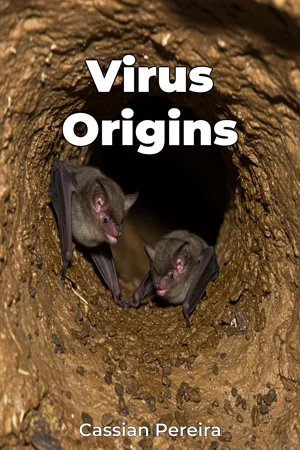
How did a novel virus, seemingly out of nowhere, trigger a global pandemic that reshaped society? *Virus Origins* delves into the intricate world of viral evolution and zoonotic transmission to unravel the story of COVID-19’s emergence and its rapid spread across the globe. This book examines the biological mechanisms driving coronavirus evolution, the ecological factors facilitating animal-to-human transmission, and the epidemiological patterns that characterized the early stages of the pandemic. Understanding these elements is crucial, not only for comprehending the current crisis, but also for preparing for future outbreaks. This book will explore three main areas. First, the origins and evolution of coronaviruses, detailing their genetic makeup, mutation rates, and the processes by which they adapt to new hosts. Second, an examination of zoonotic spillover events, investigating the environmental, social, and biological factors that increase the risk of viruses jumping from animals to humans. Third, the early spread of COVID-19, analyzing the epidemiological data, transmission dynamics, and public health responses that shaped the pandemic's initial trajectory. The central argument of *Virus Origins* posits that understanding the evolutionary history and ecological context of coronaviruses is essential for predicting and preventing future pandemics. Tracing the evolutionary pathways of coronaviruses, identifying high-risk zoonotic interfaces, and analyzing early transmission patterns are crucial steps toward developing effective surveillance and intervention strategies. *Virus Origins* begins by introducing the fundamental concepts of virology, evolutionary biology, and epidemiology. It then moves into an in-depth exploration of coronaviruses, tracing their evolutionary history. The chapters will detail how coronaviruses have adapted to various animal hosts and how these adaptations have paved the way for human infection. The book then shifts its focus to zoonotic transmission, examining the ecological and human factors that increase the risk of spillover events. It explores deforestation, wildlife trade, and agricultural practices and how they contribute to disease emergence. The final section analyzes the early spread of COVID-19, using epidemiological models and case studies to understand how the virus spread so rapidly across the globe. It also assesses the effectiveness of various public health interventions. The book culminates by discussing the implications of these findings for future pandemic preparedness, emphasizing the need for proactive surveillance, rapid response systems, and interdisciplinary collaboration. The evidence presented in *Virus Origins* draws from a variety of sources, including genomic sequencing data, epidemiological studies, ecological surveys, and public health reports. It will present phylogenetic analyses illustrating the evolutionary relationships between different coronaviruses, statistical models that quantify the risk of zoonotic transmission, and comparative analyses of different countries' responses to the pandemic. Additionally, this book makes connections to other fields such as ecology, public health, and social sciences. Ecological insights are crucial for understanding the environmental drivers of zoonotic transmission, while public health expertise is essential for developing effective prevention and control strategies. Social science perspectives shed light on the human behaviors and social structures that influence disease spread and response. *Virus Origins* offers a comprehensive and accessible overview of the origins and evolution of COVID-19, providing readers with the knowledge and tools to understand this complex issue which uses a scientific, fact-based approach, without sensationalism or speculation. The intended audience includes students, researchers, public health professionals, and anyone interested in understanding the science behind pandemics. This book is valuable because it provides a clear and concise explanation of the complex biological and ecological factors that drive viral emergence, offering practical insights for preventing future outbreaks. Given the importance of understanding infectious diseases in our interconnected world, this book will provide a valuable resource for navigating the challenges of pandemic preparedness and response. The scope of the book is limited to the origins and spread of coronaviruses, with a particular focus on COVID-19. It does not delve into the clinical aspects of the disease or the development of vaccines and treatments in detail. The information in *Virus Origins* can be applied to improve pandemic preparedness and response strategies. It can inform the development of surveillance systems, risk assessment tools, and public health interventions. By understanding the factors that drive viral emergence and spread, we can take proactive steps to prevent future pandemics and protect global health. This book addresses debates in the field, such as the precise origins of SARS-CoV-2 and the effectiveness of different public health interventions. By presenting the evidence fairly and objectively, the book aims to contribute to a more informed and nuanced understanding of these complex issues.
How did a novel virus, seemingly out of nowhere, trigger a global pandemic that reshaped society? *Virus Origins* delves into the intricate world of viral evolution and zoonotic transmission to unravel the story of COVID-19’s emergence and its rapid spread across the globe. This book examines the biological mechanisms driving coronavirus evolution, the ecological factors facilitating animal-to-human transmission, and the epidemiological patterns that characterized the early stages of the pandemic. Understanding these elements is crucial, not only for comprehending the current crisis, but also for preparing for future outbreaks. This book will explore three main areas. First, the origins and evolution of coronaviruses, detailing their genetic makeup, mutation rates, and the processes by which they adapt to new hosts. Second, an examination of zoonotic spillover events, investigating the environmental, social, and biological factors that increase the risk of viruses jumping from animals to humans. Third, the early spread of COVID-19, analyzing the epidemiological data, transmission dynamics, and public health responses that shaped the pandemic's initial trajectory. The central argument of *Virus Origins* posits that understanding the evolutionary history and ecological context of coronaviruses is essential for predicting and preventing future pandemics. Tracing the evolutionary pathways of coronaviruses, identifying high-risk zoonotic interfaces, and analyzing early transmission patterns are crucial steps toward developing effective surveillance and intervention strategies. *Virus Origins* begins by introducing the fundamental concepts of virology, evolutionary biology, and epidemiology. It then moves into an in-depth exploration of coronaviruses, tracing their evolutionary history. The chapters will detail how coronaviruses have adapted to various animal hosts and how these adaptations have paved the way for human infection. The book then shifts its focus to zoonotic transmission, examining the ecological and human factors that increase the risk of spillover events. It explores deforestation, wildlife trade, and agricultural practices and how they contribute to disease emergence. The final section analyzes the early spread of COVID-19, using epidemiological models and case studies to understand how the virus spread so rapidly across the globe. It also assesses the effectiveness of various public health interventions. The book culminates by discussing the implications of these findings for future pandemic preparedness, emphasizing the need for proactive surveillance, rapid response systems, and interdisciplinary collaboration. The evidence presented in *Virus Origins* draws from a variety of sources, including genomic sequencing data, epidemiological studies, ecological surveys, and public health reports. It will present phylogenetic analyses illustrating the evolutionary relationships between different coronaviruses, statistical models that quantify the risk of zoonotic transmission, and comparative analyses of different countries' responses to the pandemic. Additionally, this book makes connections to other fields such as ecology, public health, and social sciences. Ecological insights are crucial for understanding the environmental drivers of zoonotic transmission, while public health expertise is essential for developing effective prevention and control strategies. Social science perspectives shed light on the human behaviors and social structures that influence disease spread and response. *Virus Origins* offers a comprehensive and accessible overview of the origins and evolution of COVID-19, providing readers with the knowledge and tools to understand this complex issue which uses a scientific, fact-based approach, without sensationalism or speculation. The intended audience includes students, researchers, public health professionals, and anyone interested in understanding the science behind pandemics. This book is valuable because it provides a clear and concise explanation of the complex biological and ecological factors that drive viral emergence, offering practical insights for preventing future outbreaks. Given the importance of understanding infectious diseases in our interconnected world, this book will provide a valuable resource for navigating the challenges of pandemic preparedness and response. The scope of the book is limited to the origins and spread of coronaviruses, with a particular focus on COVID-19. It does not delve into the clinical aspects of the disease or the development of vaccines and treatments in detail. The information in *Virus Origins* can be applied to improve pandemic preparedness and response strategies. It can inform the development of surveillance systems, risk assessment tools, and public health interventions. By understanding the factors that drive viral emergence and spread, we can take proactive steps to prevent future pandemics and protect global health. This book addresses debates in the field, such as the precise origins of SARS-CoV-2 and the effectiveness of different public health interventions. By presenting the evidence fairly and objectively, the book aims to contribute to a more informed and nuanced understanding of these complex issues.
"Virus Origins" explores the complex origins of COVID-19, tracing the evolutionary pathways of coronaviruses and their jump from animals to humans, also known as zoonotic transmission. The book reveals how understanding viral evolution and ecological contexts is crucial for pandemic preparedness. One intriguing fact highlighted is how deforestation and wildlife trade significantly elevate the risk of spillover events, emphasizing the intersection of ecological factors and public health. The book progresses from virology basics to detailed analyses of coronavirus adaptation and the epidemiological patterns of COVID-19's early spread. The book adopts a scientific approach, using genomic data and epidemiological studies to explain how coronaviruses adapt to different animal hosts and how those adaptations lead to human infections. It examines the ecological and human factors that increase the risk of spillover events. By analyzing early transmission patterns and public health interventions, the book offers valuable insights into improving future pandemic responses. This book emphasizes the importance of proactive surveillance and interdisciplinary collaboration in preventing future outbreaks, making it an essential resource for students, researchers, and public health professionals.
Book Details
ISBN
9788235293558
Publisher
Publifye AS
Your Licenses
You don't own any licenses for this book
Purchase a license below to unlock this book and download the EPUB.
Purchase License
Select a tier to unlock this book
Need bulk licensing?
Contact us for enterprise agreements.