
About This Book
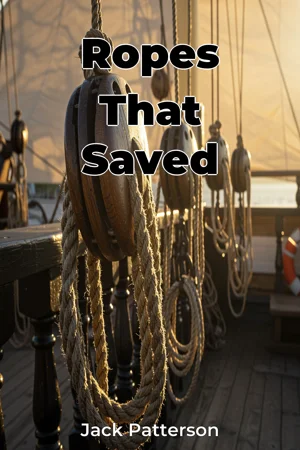
Have you ever considered the unsung hero of human progress, a simple yet indispensable tool that has shaped our world in countless ways? "Ropes That Saved" explores the multifaceted history of rope, revealing its crucial role in survival, sailing, construction, and rescue operations across time. This book demonstrates that rope is not merely a length of twisted fibers; it is a foundational technology that has enabled human innovation and resilience in the face of adversity. This book delves into three primary areas. First, we examine the evolution of rope-making techniques, from ancient plant-based fibers to modern synthetic materials, detailing the mechanical engineering principles behind their strength and durability. Second, we explore the applications of rope in nautical history, charting its vital contributions to seafaring voyages, naval warfare, and global trade. Third, we investigate the use of ropes in life-saving contexts, from mountain rescue to urban firefighting, highlighting its crucial role in emergency response. These topics are important because they reveal how a seemingly simple tool has repeatedly proven essential for human advancement and safety. Understanding this history requires some familiarity with basic mechanics and materials science. Therefore, we will cover fundamental concepts such as tensile strength, knot theory, and the properties of different fiber types. This background knowledge will empower readers to appreciate the ingenuity behind rope design and its diverse applications. The central argument of "Ropes That Saved" is that rope, often overlooked, is a fundamental technology that has consistently enabled human achievement and protected human life. By showcasing its diverse applications throughout history, this book demonstrates that understanding rope is crucial to understanding the trajectory of human progress. The book begins by introducing basic rope-making techniques and materials. It then develops this foundation through major sections, each one dedicated to how ropes have been used in specific areas. One section focuses on maritime history, covering the rigging of sailing vessels, the mechanics of anchors, and the role of ropes in naval battles. Another examines construction, exploring how ropes have been used to lift and secure building materials, from the pyramids of Egypt to modern skyscrapers. The book culminates by examining rescue operations, detailing the knots, equipment, and techniques used by firefighters, mountaineers, and other emergency personnel. Practical applications and implications are discussed throughout, including guidance on choosing the right rope for various tasks and understanding safe working loads. This book relies on diverse evidence, including archaeological findings, historical documents, technical manuals, and firsthand accounts of rescue operations. We will also present findings from modern materials testing and engineering analysis. Unique data sources include ship logs, architectural plans, and transcripts of emergency radio communications. "Ropes That Saved" connects to several other fields. It intersects with material science through the examination of fiber properties, with maritime history through its exploration of sailing and naval technology, and with civil engineering through its analysis of construction techniques. These interdisciplinary connections enrich the book's argument by revealing the widespread impact of rope technology. This book stands out due to its comprehensive scope, covering the full spectrum of rope applications across multiple disciplines and historical periods. It also offers a unique perspective by examining the interplay between human ingenuity, technological development, and the enduring utility of a seemingly simple tool. The overall tone is informative and engaging, blending historical narrative with technical explanations in a way that is accessible to a broad audience. The writing style aims to be clear, precise, and evocative, bringing the history of rope to life. The target audience includes history enthusiasts, outdoor adventurers, engineers, sailors, climbers, and anyone interested in the intersection of technology and human experience. This book would be valuable to them because it provides a comprehensive and compelling account of a technology that is often taken for granted. As a work of non-fiction, "Ropes That Saved" adheres to the conventions of accuracy, objectivity, and thorough research. It avoids unsubstantiated claims and presents information in a balanced and nuanced manner. The scope of this book is intentionally broad, encompassing a wide range of historical periods, geographical locations, and applications of rope. However, it refrains from delving into highly specialized topics, such as specific climbing techniques or advanced engineering calculations, to maintain its accessibility to a general audience. The information in this book can be applied practically by readers in various ways, from choosing the right rope for a camping trip to understanding the mechanics of knots used in securing cargo. It also provides a deeper appreciation for the ingenuity and resilience of past generations who relied on rope for survival and progress. Controversies about rope materials, like the use of nylon vs natural ropes, will be touched on, but the book focuses more on what ropes have achieved for humanity.
Have you ever considered the unsung hero of human progress, a simple yet indispensable tool that has shaped our world in countless ways? "Ropes That Saved" explores the multifaceted history of rope, revealing its crucial role in survival, sailing, construction, and rescue operations across time. This book demonstrates that rope is not merely a length of twisted fibers; it is a foundational technology that has enabled human innovation and resilience in the face of adversity. This book delves into three primary areas. First, we examine the evolution of rope-making techniques, from ancient plant-based fibers to modern synthetic materials, detailing the mechanical engineering principles behind their strength and durability. Second, we explore the applications of rope in nautical history, charting its vital contributions to seafaring voyages, naval warfare, and global trade. Third, we investigate the use of ropes in life-saving contexts, from mountain rescue to urban firefighting, highlighting its crucial role in emergency response. These topics are important because they reveal how a seemingly simple tool has repeatedly proven essential for human advancement and safety. Understanding this history requires some familiarity with basic mechanics and materials science. Therefore, we will cover fundamental concepts such as tensile strength, knot theory, and the properties of different fiber types. This background knowledge will empower readers to appreciate the ingenuity behind rope design and its diverse applications. The central argument of "Ropes That Saved" is that rope, often overlooked, is a fundamental technology that has consistently enabled human achievement and protected human life. By showcasing its diverse applications throughout history, this book demonstrates that understanding rope is crucial to understanding the trajectory of human progress. The book begins by introducing basic rope-making techniques and materials. It then develops this foundation through major sections, each one dedicated to how ropes have been used in specific areas. One section focuses on maritime history, covering the rigging of sailing vessels, the mechanics of anchors, and the role of ropes in naval battles. Another examines construction, exploring how ropes have been used to lift and secure building materials, from the pyramids of Egypt to modern skyscrapers. The book culminates by examining rescue operations, detailing the knots, equipment, and techniques used by firefighters, mountaineers, and other emergency personnel. Practical applications and implications are discussed throughout, including guidance on choosing the right rope for various tasks and understanding safe working loads. This book relies on diverse evidence, including archaeological findings, historical documents, technical manuals, and firsthand accounts of rescue operations. We will also present findings from modern materials testing and engineering analysis. Unique data sources include ship logs, architectural plans, and transcripts of emergency radio communications. "Ropes That Saved" connects to several other fields. It intersects with material science through the examination of fiber properties, with maritime history through its exploration of sailing and naval technology, and with civil engineering through its analysis of construction techniques. These interdisciplinary connections enrich the book's argument by revealing the widespread impact of rope technology. This book stands out due to its comprehensive scope, covering the full spectrum of rope applications across multiple disciplines and historical periods. It also offers a unique perspective by examining the interplay between human ingenuity, technological development, and the enduring utility of a seemingly simple tool. The overall tone is informative and engaging, blending historical narrative with technical explanations in a way that is accessible to a broad audience. The writing style aims to be clear, precise, and evocative, bringing the history of rope to life. The target audience includes history enthusiasts, outdoor adventurers, engineers, sailors, climbers, and anyone interested in the intersection of technology and human experience. This book would be valuable to them because it provides a comprehensive and compelling account of a technology that is often taken for granted. As a work of non-fiction, "Ropes That Saved" adheres to the conventions of accuracy, objectivity, and thorough research. It avoids unsubstantiated claims and presents information in a balanced and nuanced manner. The scope of this book is intentionally broad, encompassing a wide range of historical periods, geographical locations, and applications of rope. However, it refrains from delving into highly specialized topics, such as specific climbing techniques or advanced engineering calculations, to maintain its accessibility to a general audience. The information in this book can be applied practically by readers in various ways, from choosing the right rope for a camping trip to understanding the mechanics of knots used in securing cargo. It also provides a deeper appreciation for the ingenuity and resilience of past generations who relied on rope for survival and progress. Controversies about rope materials, like the use of nylon vs natural ropes, will be touched on, but the book focuses more on what ropes have achieved for humanity.
"Ropes That Saved" unveils the remarkable history of rope, a seemingly simple tool that has profoundly influenced human progress. From ancient civilizations to modern engineering, rope has played a critical role in survival, construction, and exploration. This book emphasizes rope's crucial function across nautical history, rescue operations, and its evolution through mechanical engineering. The book explores the evolution of rope-making techniques, detailing how tensile strength and knot theory have allowed for complex systems of sailing and lifesaving. The book begins by introducing basic rope-making techniques and materials, then it delves into the rope's use in maritime history, construction, and rescue operations. It highlights how ropes have been used to lift materials for buildings and secure sailing vessels. Understanding the history of ropes provides a new perspective on the ingenuity and resilience required for human advancement. This book stands out for its comprehensive scope, covering rope applications across various disciplines and historical periods. Through diverse evidence, including ship logs and archaeological findings, "Ropes That Saved" offers an engaging narrative accessible to history enthusiasts, engineers, and anyone interested in the intersection of technology and human experience.
Book Details
ISBN
9788235293459
Publisher
Publifye AS
Your Licenses
You don't own any licenses for this book
Purchase a license below to unlock this book and download the EPUB.
Purchase License
Select a tier to unlock this book
Need bulk licensing?
Contact us for enterprise agreements.