
About This Book
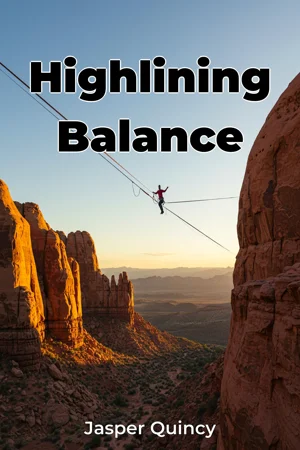
Have you ever wondered what compels an athlete to step onto a rope suspended hundreds of feet in the air, a mere inch of synthetic fiber separating them from a potentially fatal fall? "Highlining Balance" delves into the captivating world of highlining, exploring the intricate interplay of focus, stability, and mental fortitude required to traverse these precarious pathways. This book is an examination of not just the physical act of walking a highline, but also the psychological and physiological underpinnings that enable athletes to push the boundaries of human potential. We begin by establishing the fundamentals of highlining, dissecting the biomechanics of balance and the crucial role of proprioception – the body's awareness of its position in space. This section provides a comprehensive understanding of the equipment used, from the specialized webbing and anchoring systems to the safety measures employed, contextualizing it within the broader history of rope walking and its evolution into the extreme sport it is today. We trace its roots from circus acts to modern-day adrenaline pursuits, highlighting key figures and milestones that have shaped the discipline. This foundation is vital, setting the stage for understanding the complex interplay of factors that contribute to success and safety in this inherently risky activity. The core argument of "Highlining Balance" centers on the idea that highlining is as much a mental discipline as it is a physical one. The book posits that mastering the art of focused attention and cultivating a deep sense of inner stability are paramount to conquering the challenges posed by highlining. This argument is supported by insights drawn from sports psychology, neuroscience, and mindfulness practices, revealing how athletes train their minds to overcome fear, manage anxiety, and maintain unwavering concentration in the face of extreme pressure. The book's structure unfolds in a logical progression. Following the foundational introduction, we explore the psychological aspects of highlining in detail, examining the impact of fear, the science of focus, and the role of mental imagery. We then transition into the physiological demands, analyzing the interplay of muscle control, balance, and cardiovascular endurance. A dedicated chapter focuses on the environmental factors that influence a highline walk, such as wind, temperature, and altitude, and how athletes adapt their techniques to these variable conditions. Finally, we culminate with real-world applications, exploring how the principles of focus, stability, and mental resilience learned through highlining can be applied to other areas of life, from professional performance to personal well-being. The evidence presented is multifaceted, drawing from scientific studies on balance and motor control, first-hand accounts from accomplished highliners, and data collected through observational research of training methodologies. Interviews with leading athletes and coaches provide an intimate glimpse into the mindset and preparation required to excel in this challenging sport. Furthermore, the book integrates data from physiological monitoring devices used during highline walks, offering objective insights into the body's response to extreme conditions. "Highlining Balance" connects to diverse fields of study including biomechanics, sports psychology, neuroscience, and environmental science. The exploration of mental fortitude connects to broader discussions on mindfulness and stress management. The analysis of environmental factors links to climate science and risk assessment. The book’s unique approach lies in its holistic integration of these diverse perspectives, offering a comprehensive understanding of highlining that extends beyond the purely physical aspects of the sport. Written in a clear and accessible style, "Highlining Balance" is aimed at a broad audience, including sports enthusiasts, athletes seeking to enhance their performance, and readers interested in the science of human potential. The book’s blend of scientific rigor and engaging storytelling makes it a valuable resource for anyone seeking to understand the limits of human capability and the power of the human mind. As a work of non-fiction in the genres of sports and adventure, "Highlining Balance" provides factual accounts, expert opinions, and scientific data. It strives to be accurate, well-researched, and objective in its presentation of information, while still maintaining an engaging narrative. The scope of the book is intentionally focused on the specific discipline of highlining, rather than encompassing all forms of rope walking or slacklining. This deliberate limitation allows for a deeper and more nuanced exploration of the unique challenges and rewards associated with this particular activity. While controversies exist regarding the safety and ethical considerations of extreme sports, the book aims to present a balanced perspective, acknowledging both the inherent risks and the potential for personal growth and self-discovery. The lessons learned on the highline translate directly into strategies for managing stress, improving focus, and cultivating resilience in everyday life.
Have you ever wondered what compels an athlete to step onto a rope suspended hundreds of feet in the air, a mere inch of synthetic fiber separating them from a potentially fatal fall? "Highlining Balance" delves into the captivating world of highlining, exploring the intricate interplay of focus, stability, and mental fortitude required to traverse these precarious pathways. This book is an examination of not just the physical act of walking a highline, but also the psychological and physiological underpinnings that enable athletes to push the boundaries of human potential. We begin by establishing the fundamentals of highlining, dissecting the biomechanics of balance and the crucial role of proprioception – the body's awareness of its position in space. This section provides a comprehensive understanding of the equipment used, from the specialized webbing and anchoring systems to the safety measures employed, contextualizing it within the broader history of rope walking and its evolution into the extreme sport it is today. We trace its roots from circus acts to modern-day adrenaline pursuits, highlighting key figures and milestones that have shaped the discipline. This foundation is vital, setting the stage for understanding the complex interplay of factors that contribute to success and safety in this inherently risky activity. The core argument of "Highlining Balance" centers on the idea that highlining is as much a mental discipline as it is a physical one. The book posits that mastering the art of focused attention and cultivating a deep sense of inner stability are paramount to conquering the challenges posed by highlining. This argument is supported by insights drawn from sports psychology, neuroscience, and mindfulness practices, revealing how athletes train their minds to overcome fear, manage anxiety, and maintain unwavering concentration in the face of extreme pressure. The book's structure unfolds in a logical progression. Following the foundational introduction, we explore the psychological aspects of highlining in detail, examining the impact of fear, the science of focus, and the role of mental imagery. We then transition into the physiological demands, analyzing the interplay of muscle control, balance, and cardiovascular endurance. A dedicated chapter focuses on the environmental factors that influence a highline walk, such as wind, temperature, and altitude, and how athletes adapt their techniques to these variable conditions. Finally, we culminate with real-world applications, exploring how the principles of focus, stability, and mental resilience learned through highlining can be applied to other areas of life, from professional performance to personal well-being. The evidence presented is multifaceted, drawing from scientific studies on balance and motor control, first-hand accounts from accomplished highliners, and data collected through observational research of training methodologies. Interviews with leading athletes and coaches provide an intimate glimpse into the mindset and preparation required to excel in this challenging sport. Furthermore, the book integrates data from physiological monitoring devices used during highline walks, offering objective insights into the body's response to extreme conditions. "Highlining Balance" connects to diverse fields of study including biomechanics, sports psychology, neuroscience, and environmental science. The exploration of mental fortitude connects to broader discussions on mindfulness and stress management. The analysis of environmental factors links to climate science and risk assessment. The book’s unique approach lies in its holistic integration of these diverse perspectives, offering a comprehensive understanding of highlining that extends beyond the purely physical aspects of the sport. Written in a clear and accessible style, "Highlining Balance" is aimed at a broad audience, including sports enthusiasts, athletes seeking to enhance their performance, and readers interested in the science of human potential. The book’s blend of scientific rigor and engaging storytelling makes it a valuable resource for anyone seeking to understand the limits of human capability and the power of the human mind. As a work of non-fiction in the genres of sports and adventure, "Highlining Balance" provides factual accounts, expert opinions, and scientific data. It strives to be accurate, well-researched, and objective in its presentation of information, while still maintaining an engaging narrative. The scope of the book is intentionally focused on the specific discipline of highlining, rather than encompassing all forms of rope walking or slacklining. This deliberate limitation allows for a deeper and more nuanced exploration of the unique challenges and rewards associated with this particular activity. While controversies exist regarding the safety and ethical considerations of extreme sports, the book aims to present a balanced perspective, acknowledging both the inherent risks and the potential for personal growth and self-discovery. The lessons learned on the highline translate directly into strategies for managing stress, improving focus, and cultivating resilience in everyday life.
"Highlining Balance" explores the captivating world of highlining, where athletes walk across narrow webbing suspended hundreds of feet in the air. It delves into the unique blend of physical skill and mental fortitude required to succeed in this extreme sport. The book reveals how highlining is as much a mental discipline as it is a physical one, requiring athletes to cultivate unwavering focus and manage fear. Highlining is not just about balance; mastering the art of focused attention and cultivating a deep sense of inner stability are paramount to conquering the challenges posed by highlining. The book progresses from the foundational elements of highlining—including equipment and biomechanics—to the psychological and physiological demands of the sport. It examines the impact of environmental factors like wind and altitude, and it integrates insights from sports psychology, neuroscience, and mindfulness. You'll discover how athletes train their minds to overcome fear, manage anxiety, and maintain unwavering concentration under immense pressure. Ultimately, "Highlining Balance" reveals how the principles of focus, stability, and mental resilience learned through highlining can be applied to other areas of life, enhancing both professional performance and personal well-being.
Book Details
ISBN
9788235293435
Publisher
Publifye AS
Your Licenses
You don't own any licenses for this book
Purchase a license below to unlock this book and download the EPUB.
Purchase License
Select a tier to unlock this book
Need bulk licensing?
Contact us for enterprise agreements.