
About This Book
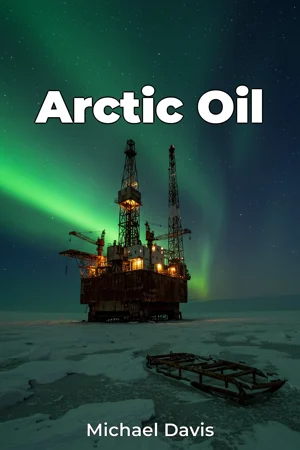
Can the pursuit of energy resources justify the risk of irreversible environmental damage to one of the planet's most fragile ecosystems? *Arctic Oil* delves into the complex history of oil exploration in the Arctic, the significant environmental risks it poses, and the intense political conflicts that surround the extraction of these resources. This book is crucial because Arctic oil exploration has far-reaching consequences, affecting not only the environment and indigenous communities but also global energy security and international relations. The book provides a comprehensive historical, environmental, and political context. It begins with a historical overview of Arctic exploration and resource exploitation, tracing the evolution of oil exploration technologies and the increasing interest in the region's potential reserves. This background underscores the long-term nature of the issue and the evolving geopolitical dynamics that have fueled the drive to exploit these resources. Readers do not need prior expert knowledge, as key concepts in environmental science, political science, and energy economics are explained. The central argument of *Arctic Oil* is that the current approach to Arctic oil extraction prioritizes short-term economic gains over long-term environmental sustainability and the rights of indigenous populations. This argument is significant because it challenges the prevailing narratives of economic development and energy independence, highlighting the ethical and ecological costs of unchecked resource exploitation. The book is structured to methodically build this argument. Initially, it details the history of Arctic oil exploration, from early expeditions to modern drilling operations. This section introduces the key players involved, including multinational corporations, national governments, and indigenous groups. It then examines the environmental risks associated with oil exploration and extraction in the Arctic, such as oil spills, habitat destruction, and the release of greenhouse gases. Scientific data and case studies are used to illustrate the potential impacts on Arctic ecosystems and climate change. The book then analyzes the political conflicts surrounding Arctic oil, focusing on territorial disputes, competing national interests, and the rights of indigenous communities. This section explores how these conflicts shape policy decisions and impact resource management. The book culminates by proposing alternative energy strategies and policy recommendations that prioritize environmental sustainability and social justice. It outlines a pathway toward a more balanced and responsible approach to resource management in the Arctic. The evidence presented in *Arctic Oil* includes scientific research, government reports, industry data, and first-hand accounts from indigenous communities. Unique data sources, such as satellite imagery of environmental damage and transcripts of international negotiations, provide a comprehensive and multi-faceted perspective on the issue. *Arctic Oil* makes interdisciplinary connections, linking environmental science with political science, economics, and indigenous studies. These connections enrich the book's argument by demonstrating the complex interplay of factors that shape Arctic oil policy. The book offers a unique perspective by integrating insights from various stakeholders, including scientists, policymakers, industry representatives, and indigenous leaders. This approach provides a more nuanced and comprehensive understanding of the challenges and opportunities associated with Arctic oil exploration. Written in a fact-based, non-fiction style, *Arctic Oil* informs a broad audience. The book is targeted at policymakers, environmental advocates, students, and anyone interested in the future of the Arctic and global energy policy. It would be a valuable resource for courses in environmental studies, political science, and Arctic policy. The scope of *Arctic Oil* encompasses the entire Arctic region, but it focuses on key areas of oil exploration and extraction, such as Alaska, Russia, and Greenland. While the book addresses the global implications of Arctic oil, its primary focus remains on the Arctic region itself. The information in *Arctic Oil* can be applied to real-world policy decisions, investment strategies, and environmental advocacy efforts. It provides a framework for evaluating the environmental and social impacts of Arctic oil projects and for promoting more sustainable alternatives. The book addresses ongoing debates about the feasibility of Arctic oil extraction, the effectiveness of environmental regulations, and the role of indigenous communities in resource management. By presenting a balanced and evidence-based analysis of these issues, *Arctic Oil* contributes to a more informed and constructive dialogue.
Can the pursuit of energy resources justify the risk of irreversible environmental damage to one of the planet's most fragile ecosystems? *Arctic Oil* delves into the complex history of oil exploration in the Arctic, the significant environmental risks it poses, and the intense political conflicts that surround the extraction of these resources. This book is crucial because Arctic oil exploration has far-reaching consequences, affecting not only the environment and indigenous communities but also global energy security and international relations. The book provides a comprehensive historical, environmental, and political context. It begins with a historical overview of Arctic exploration and resource exploitation, tracing the evolution of oil exploration technologies and the increasing interest in the region's potential reserves. This background underscores the long-term nature of the issue and the evolving geopolitical dynamics that have fueled the drive to exploit these resources. Readers do not need prior expert knowledge, as key concepts in environmental science, political science, and energy economics are explained. The central argument of *Arctic Oil* is that the current approach to Arctic oil extraction prioritizes short-term economic gains over long-term environmental sustainability and the rights of indigenous populations. This argument is significant because it challenges the prevailing narratives of economic development and energy independence, highlighting the ethical and ecological costs of unchecked resource exploitation. The book is structured to methodically build this argument. Initially, it details the history of Arctic oil exploration, from early expeditions to modern drilling operations. This section introduces the key players involved, including multinational corporations, national governments, and indigenous groups. It then examines the environmental risks associated with oil exploration and extraction in the Arctic, such as oil spills, habitat destruction, and the release of greenhouse gases. Scientific data and case studies are used to illustrate the potential impacts on Arctic ecosystems and climate change. The book then analyzes the political conflicts surrounding Arctic oil, focusing on territorial disputes, competing national interests, and the rights of indigenous communities. This section explores how these conflicts shape policy decisions and impact resource management. The book culminates by proposing alternative energy strategies and policy recommendations that prioritize environmental sustainability and social justice. It outlines a pathway toward a more balanced and responsible approach to resource management in the Arctic. The evidence presented in *Arctic Oil* includes scientific research, government reports, industry data, and first-hand accounts from indigenous communities. Unique data sources, such as satellite imagery of environmental damage and transcripts of international negotiations, provide a comprehensive and multi-faceted perspective on the issue. *Arctic Oil* makes interdisciplinary connections, linking environmental science with political science, economics, and indigenous studies. These connections enrich the book's argument by demonstrating the complex interplay of factors that shape Arctic oil policy. The book offers a unique perspective by integrating insights from various stakeholders, including scientists, policymakers, industry representatives, and indigenous leaders. This approach provides a more nuanced and comprehensive understanding of the challenges and opportunities associated with Arctic oil exploration. Written in a fact-based, non-fiction style, *Arctic Oil* informs a broad audience. The book is targeted at policymakers, environmental advocates, students, and anyone interested in the future of the Arctic and global energy policy. It would be a valuable resource for courses in environmental studies, political science, and Arctic policy. The scope of *Arctic Oil* encompasses the entire Arctic region, but it focuses on key areas of oil exploration and extraction, such as Alaska, Russia, and Greenland. While the book addresses the global implications of Arctic oil, its primary focus remains on the Arctic region itself. The information in *Arctic Oil* can be applied to real-world policy decisions, investment strategies, and environmental advocacy efforts. It provides a framework for evaluating the environmental and social impacts of Arctic oil projects and for promoting more sustainable alternatives. The book addresses ongoing debates about the feasibility of Arctic oil extraction, the effectiveness of environmental regulations, and the role of indigenous communities in resource management. By presenting a balanced and evidence-based analysis of these issues, *Arctic Oil* contributes to a more informed and constructive dialogue.
*Arctic Oil* examines the multifaceted issues surrounding oil exploration in the Arctic, focusing on the environmental risks, political conflicts, and the exploitation of energy resources. This exploration has significant global implications, affecting not just the fragile ecosystems and indigenous communities, but also international relations and energy security. The book highlights the tension between short-term economic gains and the long-term commitment to environmental sustainability, presenting a critical perspective on current approaches to resource exploitation. The book progresses methodically to build its argument. It begins with a historical overview of Arctic exploration, then examines the environmental risks, such as potential oil spills and greenhouse gases, using scientific data and case studies. It analyzes the political conflicts arising from territorial disputes, competing national interests, and the rights of indigenous communities. Ultimately, it proposes alternative energy strategies to balance environmental sustainability with the needs of various stakeholders. Through scientific research, government reports, and accounts from indigenous communities, the book offers a comprehensive view. It emphasizes the complex interplay between environmental science, political science, economics, and indigenous studies, providing a nuanced understanding of the challenges and opportunities related to Arctic oil and its impact on climate change.
Book Details
ISBN
9788235293299
Publisher
Publifye AS
Your Licenses
You don't own any licenses for this book
Purchase a license below to unlock this book and download the EPUB.
Purchase License
Select a tier to unlock this book
Need bulk licensing?
Contact us for enterprise agreements.