
About This Book
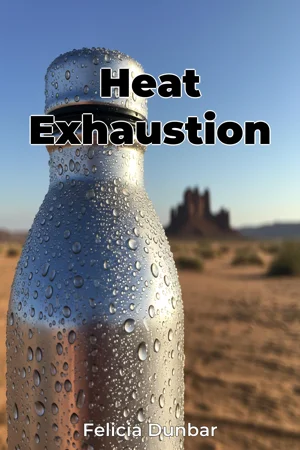
Are you prepared to recognize the subtle signs that your body is overheating, potentially leading to life-threatening heatstroke? This book, "Heat Exhaustion," serves as a comprehensive guide to understanding, preventing, and responding to heat-related illnesses. We delve into the physiological mechanisms behind these conditions, empowering you with critical knowledge to protect yourself and others during periods of high heat and humidity. Two core concepts underpin our exploration: the body's thermoregulatory system and the spectrum of heat-related illnesses, ranging from mild heat cramps to severe heatstroke. Understanding how the body normally maintains its core temperature is crucial for recognizing when this process falters. We will then examine the various stages of heat illness, emphasizing early detection and intervention to prevent escalation. These topics are vital because climate change is increasing the frequency and intensity of heat waves, placing more individuals at risk. We begin by establishing the physiological basis of thermoregulation and how environmental factors impact the body. A background in basic human anatomy and physiology will be helpful, but not required, as we explain key concepts in clear, understandable language. The central argument of this book is that heat-related illnesses are largely preventable through education, awareness, and prompt action. By understanding the risks and implementing effective cooling strategies, individuals can significantly reduce their vulnerability during hot weather. The book is structured to provide a clear and logical learning progression. We start by introducing the core concepts of thermoregulation, dehydration, and electrolyte imbalance. Following this, we dedicate chapters to specific heat-related illnesses, detailing their symptoms, risk factors, and appropriate response protocols. We discuss heat cramps, heat syncope, heat exhaustion, and heatstroke, highlighting the differentiating factors between each. Building upon this foundation, we then delve into practical prevention strategies, including hydration guidelines, clothing recommendations, and activity modifications. Finally, the book culminates in a discussion of long-term management and recovery for individuals who have experienced severe heat illness, emphasizing the importance of medical follow-up and preventative measures. The information presented is based on peer-reviewed medical literature, guidelines from organizations such as the CDC and WHO, and expert consensus statements. We cite relevant research studies and provide real-world case examples to illustrate key concepts. The book also includes practical tools such as checklists for recognizing symptoms and step-by-step guides for implementing cooling techniques. This book connects to several other fields, including sports medicine (addressing exertional heatstroke in athletes), environmental science (exploring the impact of climate change on heat-related illnesses), and public health (examining community-level interventions to reduce heat vulnerability). These connections enhance the book's argument by demonstrating the broad relevance of heat illness prevention across diverse disciplines. Our approach emphasizes practical, evidence-based strategies that can be implemented by individuals and communities to mitigate the risks of heat exposure. We avoid sensationalism and focus on providing accurate, reliable information that empowers readers to take proactive steps. The tone is informative and accessible, aimed at a general audience with an interest in health and well-being. The writing style is clear, concise, and avoids technical jargon. This book is intended for anyone who wants to learn more about heat-related illnesses, including athletes, outdoor workers, parents, caregivers, and individuals living in hot climates. It is valuable because it provides practical, actionable advice that can save lives. As a work of non-fiction, this book adheres to the principles of accuracy, objectivity, and transparency. We strive to present a balanced view of the available evidence and to acknowledge any limitations in our understanding. The book's scope is limited to heat-related illnesses in humans, excluding veterinary considerations. While we address strategies for preventing heatstroke in vulnerable populations such as children and the elderly, we do not delve into specific medical conditions that may increase individual risk. The information in this book can be applied to daily life by individuals seeking to protect themselves and their families during hot weather. It also provides valuable guidance for coaches, trainers, and employers who are responsible for the safety of others in outdoor settings. The book touches upon ongoing debates in the field, such as the optimal hydration strategies for athletes and the effectiveness of different cooling methods. However, our primary focus is on providing evidence-based recommendations that can be implemented in real-world settings.
Are you prepared to recognize the subtle signs that your body is overheating, potentially leading to life-threatening heatstroke? This book, "Heat Exhaustion," serves as a comprehensive guide to understanding, preventing, and responding to heat-related illnesses. We delve into the physiological mechanisms behind these conditions, empowering you with critical knowledge to protect yourself and others during periods of high heat and humidity. Two core concepts underpin our exploration: the body's thermoregulatory system and the spectrum of heat-related illnesses, ranging from mild heat cramps to severe heatstroke. Understanding how the body normally maintains its core temperature is crucial for recognizing when this process falters. We will then examine the various stages of heat illness, emphasizing early detection and intervention to prevent escalation. These topics are vital because climate change is increasing the frequency and intensity of heat waves, placing more individuals at risk. We begin by establishing the physiological basis of thermoregulation and how environmental factors impact the body. A background in basic human anatomy and physiology will be helpful, but not required, as we explain key concepts in clear, understandable language. The central argument of this book is that heat-related illnesses are largely preventable through education, awareness, and prompt action. By understanding the risks and implementing effective cooling strategies, individuals can significantly reduce their vulnerability during hot weather. The book is structured to provide a clear and logical learning progression. We start by introducing the core concepts of thermoregulation, dehydration, and electrolyte imbalance. Following this, we dedicate chapters to specific heat-related illnesses, detailing their symptoms, risk factors, and appropriate response protocols. We discuss heat cramps, heat syncope, heat exhaustion, and heatstroke, highlighting the differentiating factors between each. Building upon this foundation, we then delve into practical prevention strategies, including hydration guidelines, clothing recommendations, and activity modifications. Finally, the book culminates in a discussion of long-term management and recovery for individuals who have experienced severe heat illness, emphasizing the importance of medical follow-up and preventative measures. The information presented is based on peer-reviewed medical literature, guidelines from organizations such as the CDC and WHO, and expert consensus statements. We cite relevant research studies and provide real-world case examples to illustrate key concepts. The book also includes practical tools such as checklists for recognizing symptoms and step-by-step guides for implementing cooling techniques. This book connects to several other fields, including sports medicine (addressing exertional heatstroke in athletes), environmental science (exploring the impact of climate change on heat-related illnesses), and public health (examining community-level interventions to reduce heat vulnerability). These connections enhance the book's argument by demonstrating the broad relevance of heat illness prevention across diverse disciplines. Our approach emphasizes practical, evidence-based strategies that can be implemented by individuals and communities to mitigate the risks of heat exposure. We avoid sensationalism and focus on providing accurate, reliable information that empowers readers to take proactive steps. The tone is informative and accessible, aimed at a general audience with an interest in health and well-being. The writing style is clear, concise, and avoids technical jargon. This book is intended for anyone who wants to learn more about heat-related illnesses, including athletes, outdoor workers, parents, caregivers, and individuals living in hot climates. It is valuable because it provides practical, actionable advice that can save lives. As a work of non-fiction, this book adheres to the principles of accuracy, objectivity, and transparency. We strive to present a balanced view of the available evidence and to acknowledge any limitations in our understanding. The book's scope is limited to heat-related illnesses in humans, excluding veterinary considerations. While we address strategies for preventing heatstroke in vulnerable populations such as children and the elderly, we do not delve into specific medical conditions that may increase individual risk. The information in this book can be applied to daily life by individuals seeking to protect themselves and their families during hot weather. It also provides valuable guidance for coaches, trainers, and employers who are responsible for the safety of others in outdoor settings. The book touches upon ongoing debates in the field, such as the optimal hydration strategies for athletes and the effectiveness of different cooling methods. However, our primary focus is on providing evidence-based recommendations that can be implemented in real-world settings.
"Heat Exhaustion" offers critical insights into understanding and preventing heat-related illnesses, which are becoming increasingly relevant due to climate change and more frequent heat waves. The book explores how the body's thermoregulatory system works and what happens when it fails, leading to conditions like heat cramps, heat syncope, heat exhaustion, and potentially life-threatening heatstroke. Did you know that understanding the nuances between these conditions can significantly impact response protocols? Or that proactive strategies, like proper hydration and modifying activities, can drastically reduce vulnerability? The book progresses logically, starting with core concepts like dehydration and electrolyte imbalance before delving into specific illnesses. It emphasizes the importance of early detection and intervention, providing practical prevention strategies such as clothing recommendations and hydration guidelines. By presenting information based on medical literature and expert guidelines, "Heat Exhaustion" empowers readers to protect themselves and others with evidence-based approaches. The book culminates by addressing long-term management and recovery, ensuring a comprehensive understanding of heat-related health.
Book Details
ISBN
9788235293176
Publisher
Publifye AS
Your Licenses
You don't own any licenses for this book
Purchase a license below to unlock this book and download the EPUB.
Purchase License
Select a tier to unlock this book
Need bulk licensing?
Contact us for enterprise agreements.