
About This Book
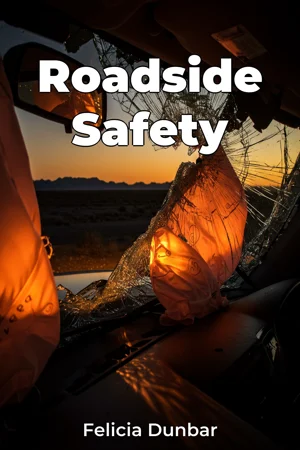
Are you truly prepared for the unexpected when you’re miles from civilization, facing a roadside emergency? This book, *Roadside Safety*, provides essential knowledge and practical skills to navigate critical situations, focusing on immediate first aid and effective emergency signaling techniques. This comprehensive guide addresses a significant gap in preparedness, empowering individuals to respond confidently and effectively when professional medical assistance is delayed. This book rests on two core pillars: first, the principles of trauma management and basic first aid applicable in roadside scenarios, specifically tailored to injuries sustained in vehicular accidents; and second, the crucial techniques for signaling for help and maximizing visibility in challenging environments, which is often neglected in safety planning. Both are vital because even minor delays in treatment or rescue can drastically affect outcomes. We will explore the importance of assessing a scene for hazards, prioritizing care based on the severity of injuries, and utilizing readily available resources for treatment. Understanding the historical context reveals a growing need for self-reliance in emergency situations. Rural areas often experience longer response times, underscoring the need for informed individuals capable of initiating life-saving interventions. While basic first aid courses offer a foundation, this book goes further, addressing problems specific to roadside emergencies. The central argument of *Roadside Safety* is that proactive preparation and knowledge of immediate response protocols are paramount in mitigating the consequences of roadside emergencies. This argument is significant because it shifts the focus from passively awaiting professional help to actively taking control of a potentially life-threatening situation. The book is structured to build a comprehensive understanding. First, it introduces core concepts of emergency assessment and triage. Then, it delves into the development of specific first-aid techniques for common roadside injuries, such as fractures, burns, lacerations, and head trauma. A dedicated section focuses on effective signaling methods, including the use of flares, reflective materials, and communication devices to alert rescuers. Finally, the book culminates in practical scenarios and simulations, enabling readers to apply their knowledge in realistic contexts. Each chapter develops these ideas, presenting detailed medical and safety information within understandable language. Evidence is drawn from medical best practices, established first aid protocols, and real-world case studies of roadside accidents. The book incorporates guidelines from organizations such as the American Red Cross and the National Highway Traffic Safety Administration (NHTSA). Statistical data on accident types and injury patterns further informs the content, ensuring its relevance and accuracy. Additionally, expert interviews with paramedics and emergency responders provide invaluable practical insights. This book connects to several other fields, including automotive safety engineering (understanding common causes of accidents), environmental science (assessing environmental hazards at accident scenes), and communication technology (utilizing digital tools for emergency communication). These interdisciplinary connections enhance the book's argument by painting a complete picture of the circumstances surrounding roadside emergencies. *Roadside Safety* stands out due to its specific focus on addressing trauma caused by vehicle incidents in remote locations. Unlike general first-aid manuals, this guide offers targeted advice tailored to challenging scenarios, and the reality of resources at hand. The tone is informative and practical, with a balance between medical accuracy and accessibility for a general audience. The writing style aims to empower readers without overwhelming them with technical jargon. The target audience includes drivers, travelers, outdoor enthusiasts, and anyone who spends time on the road, particularly in rural or isolated areas. This book would be valuable to them by equipping them with the knowledge and skills to respond effectively and potentially save lives in emergency situations. As a book in the 'Health & Fitness, Health Fitness, Medical General' genres, *Roadside Safety* adheres to the convention of evidence-based information, practical guidance, and clear, concise language. The book is limited in scope to immediate response measures and does not delve into long-term treatment or rehabilitation. It is intended to provide a foundation for initial actions, not replace the need for professional medical care. The information presented can be applied in numerous real-world situations, from providing immediate first aid to injured passengers to effectively signaling for help in remote areas. The knowledge equips individuals to act decisively and confidently, increasing the chances of positive outcomes. The field of emergency medicine is constantly evolving, particularly regarding best practices for trauma care and emergency communication. This book addresses controversial debates about the appropriateness of specific intervention techniques by adhering to established medical guidelines and emphasizing the importance of prioritizing patient safety.
Are you truly prepared for the unexpected when you’re miles from civilization, facing a roadside emergency? This book, *Roadside Safety*, provides essential knowledge and practical skills to navigate critical situations, focusing on immediate first aid and effective emergency signaling techniques. This comprehensive guide addresses a significant gap in preparedness, empowering individuals to respond confidently and effectively when professional medical assistance is delayed. This book rests on two core pillars: first, the principles of trauma management and basic first aid applicable in roadside scenarios, specifically tailored to injuries sustained in vehicular accidents; and second, the crucial techniques for signaling for help and maximizing visibility in challenging environments, which is often neglected in safety planning. Both are vital because even minor delays in treatment or rescue can drastically affect outcomes. We will explore the importance of assessing a scene for hazards, prioritizing care based on the severity of injuries, and utilizing readily available resources for treatment. Understanding the historical context reveals a growing need for self-reliance in emergency situations. Rural areas often experience longer response times, underscoring the need for informed individuals capable of initiating life-saving interventions. While basic first aid courses offer a foundation, this book goes further, addressing problems specific to roadside emergencies. The central argument of *Roadside Safety* is that proactive preparation and knowledge of immediate response protocols are paramount in mitigating the consequences of roadside emergencies. This argument is significant because it shifts the focus from passively awaiting professional help to actively taking control of a potentially life-threatening situation. The book is structured to build a comprehensive understanding. First, it introduces core concepts of emergency assessment and triage. Then, it delves into the development of specific first-aid techniques for common roadside injuries, such as fractures, burns, lacerations, and head trauma. A dedicated section focuses on effective signaling methods, including the use of flares, reflective materials, and communication devices to alert rescuers. Finally, the book culminates in practical scenarios and simulations, enabling readers to apply their knowledge in realistic contexts. Each chapter develops these ideas, presenting detailed medical and safety information within understandable language. Evidence is drawn from medical best practices, established first aid protocols, and real-world case studies of roadside accidents. The book incorporates guidelines from organizations such as the American Red Cross and the National Highway Traffic Safety Administration (NHTSA). Statistical data on accident types and injury patterns further informs the content, ensuring its relevance and accuracy. Additionally, expert interviews with paramedics and emergency responders provide invaluable practical insights. This book connects to several other fields, including automotive safety engineering (understanding common causes of accidents), environmental science (assessing environmental hazards at accident scenes), and communication technology (utilizing digital tools for emergency communication). These interdisciplinary connections enhance the book's argument by painting a complete picture of the circumstances surrounding roadside emergencies. *Roadside Safety* stands out due to its specific focus on addressing trauma caused by vehicle incidents in remote locations. Unlike general first-aid manuals, this guide offers targeted advice tailored to challenging scenarios, and the reality of resources at hand. The tone is informative and practical, with a balance between medical accuracy and accessibility for a general audience. The writing style aims to empower readers without overwhelming them with technical jargon. The target audience includes drivers, travelers, outdoor enthusiasts, and anyone who spends time on the road, particularly in rural or isolated areas. This book would be valuable to them by equipping them with the knowledge and skills to respond effectively and potentially save lives in emergency situations. As a book in the 'Health & Fitness, Health Fitness, Medical General' genres, *Roadside Safety* adheres to the convention of evidence-based information, practical guidance, and clear, concise language. The book is limited in scope to immediate response measures and does not delve into long-term treatment or rehabilitation. It is intended to provide a foundation for initial actions, not replace the need for professional medical care. The information presented can be applied in numerous real-world situations, from providing immediate first aid to injured passengers to effectively signaling for help in remote areas. The knowledge equips individuals to act decisively and confidently, increasing the chances of positive outcomes. The field of emergency medicine is constantly evolving, particularly regarding best practices for trauma care and emergency communication. This book addresses controversial debates about the appropriateness of specific intervention techniques by adhering to established medical guidelines and emphasizing the importance of prioritizing patient safety.
When facing a roadside emergency, are you prepared to act? *Roadside Safety* equips you with essential skills for immediate first aid and effective emergency signaling, addressing a critical gap in preparedness. This book emphasizes taking control of potentially life-threatening situations, shifting the focus from passively waiting for help to actively intervening. Did you know that response times in rural areas are often significantly longer, underscoring the need for self-reliance? Or that knowing how to properly signal for help can drastically improve rescue times? The book progresses logically, starting with core concepts of emergency assessment and triage before delving into specific first aid techniques for common roadside injuries like fractures and burns. A dedicated section explores effective signaling methods, including flares and communication devices. The book's approach balances medical accuracy with accessible language, ensuring the information is understandable and actionable. This guide offers targeted advice tailored to challenging scenarios, and the reality of resources at hand.
Book Details
ISBN
9788235293152
Publisher
Publifye AS
Your Licenses
You don't own any licenses for this book
Purchase a license below to unlock this book and download the EPUB.
Purchase License
Select a tier to unlock this book
Need bulk licensing?
Contact us for enterprise agreements.