
About This Book
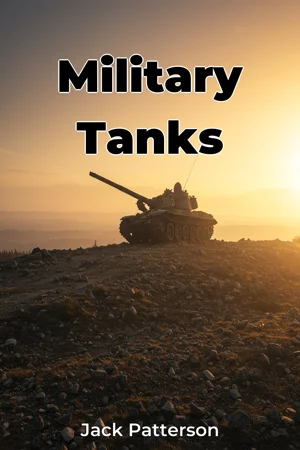
Have you ever wondered about the intricate engineering and historical evolution behind one of warfare's most iconic machines: the tank? "Military Tanks" delves into the multifaceted world of tank design, armor, weaponry, and deployment, providing a comprehensive overview of their role in shaping modern military history. This book explores the mechanical engineering marvels that make tanks formidable, examines the historical context in which they evolved, and analyzes their strategic significance in defense. We examine two core topics. First, the evolution of tank design, covering innovations in armor materials, engine technology, and crew ergonomics. Understanding this evolution is crucial for grasping the ongoing arms race between offensive and defensive capabilities on the battlefield. Second, the book details the integration of tanks into military strategy, tracking their impact on key conflicts from World War I to contemporary operations. This historical perspective reveals how tanks have redefined battlefield tactics and influenced the outcomes of major military campaigns. The book assumes a basic understanding of military history but provides detailed explanations of mechanical engineering concepts as needed, ensuring accessibility for a broad audience. The central argument of "Military Tanks" is that the tank's enduring relevance in modern warfare stems from its continuous adaptation and technological refinement in response to evolving battlefield challenges. This adaptability has allowed the tank to remain a vital component of combined arms warfare, despite facing numerous threats and technological advancements. The book is structured to provide a clear understanding of the subject matter. It begins with an introduction to the fundamental principles of tank design, explaining the trade-offs between mobility, firepower, and protection. Next, it progresses chronologically through the history of tank development, focusing on pivotal designs and technological leaps that defined each era. Specifically, the book dedicates sections to: the interwar period tank design philosophies and their impact on early World War II tanks, the rapid technological advancements during World War II including improved gunnery and armor, and the Cold War and beyond, highlighting the introduction of composite armor, advanced targeting systems, and the shift towards main battle tanks (MBTs). The book culminates in an analysis of contemporary tank warfare, examining the challenges posed by asymmetric threats and the integration of tanks with other advanced military technologies. The arguments presented are supported by technical specifications, historical accounts, and performance data from various tank models. Sources include archival documents, military reports, and expert analysis from defense publications. "Military Tanks" connects mechanical engineering, military history, and strategic studies. The engineering aspects highlight the technological innovations driving tank design, while the historical analysis illustrates how these designs have been implemented in real-world conflicts. The connection to strategic studies reveals how tanks fit into broader military doctrines and national defense strategies. A unique aspect of this book is its focus on the interplay between technological advancements and strategic doctrines. By examining how tank designs have been adapted to meet specific tactical and strategic needs, the book provides a nuanced understanding of the tank's role in modern warfare. The tone is informative and analytical, aiming to present complex information in a clear and accessible manner. The target audience includes military enthusiasts, historians, students of military technology, and anyone interested in the evolution of armored warfare. The book offers valuable insights into the design, deployment, and historical impact of tanks. As a work of military history, "Military Tanks" adheres to scholarly standards of research and citation. It provides a comprehensive overview of the topic while maintaining a balanced and objective perspective. The book focuses primarily on the design and operational history of tanks, with limited coverage of related armored vehicles such as infantry fighting vehicles or armored personnel carriers. This focus allows for a more in-depth examination of the tank's specific characteristics and its unique role in warfare. The information in this book can be applied practically by military professionals seeking to understand the capabilities and limitations of tanks in contemporary warfare, as well as by defense analysts evaluating the strategic implications of tank deployments. The book addresses ongoing debates surrounding the future of tanks in an era of advanced anti-tank weaponry and increasingly complex battlefield environments. It examines arguments for and against the continued relevance of tanks, offering a balanced perspective on their potential role in future conflicts.
Have you ever wondered about the intricate engineering and historical evolution behind one of warfare's most iconic machines: the tank? "Military Tanks" delves into the multifaceted world of tank design, armor, weaponry, and deployment, providing a comprehensive overview of their role in shaping modern military history. This book explores the mechanical engineering marvels that make tanks formidable, examines the historical context in which they evolved, and analyzes their strategic significance in defense. We examine two core topics. First, the evolution of tank design, covering innovations in armor materials, engine technology, and crew ergonomics. Understanding this evolution is crucial for grasping the ongoing arms race between offensive and defensive capabilities on the battlefield. Second, the book details the integration of tanks into military strategy, tracking their impact on key conflicts from World War I to contemporary operations. This historical perspective reveals how tanks have redefined battlefield tactics and influenced the outcomes of major military campaigns. The book assumes a basic understanding of military history but provides detailed explanations of mechanical engineering concepts as needed, ensuring accessibility for a broad audience. The central argument of "Military Tanks" is that the tank's enduring relevance in modern warfare stems from its continuous adaptation and technological refinement in response to evolving battlefield challenges. This adaptability has allowed the tank to remain a vital component of combined arms warfare, despite facing numerous threats and technological advancements. The book is structured to provide a clear understanding of the subject matter. It begins with an introduction to the fundamental principles of tank design, explaining the trade-offs between mobility, firepower, and protection. Next, it progresses chronologically through the history of tank development, focusing on pivotal designs and technological leaps that defined each era. Specifically, the book dedicates sections to: the interwar period tank design philosophies and their impact on early World War II tanks, the rapid technological advancements during World War II including improved gunnery and armor, and the Cold War and beyond, highlighting the introduction of composite armor, advanced targeting systems, and the shift towards main battle tanks (MBTs). The book culminates in an analysis of contemporary tank warfare, examining the challenges posed by asymmetric threats and the integration of tanks with other advanced military technologies. The arguments presented are supported by technical specifications, historical accounts, and performance data from various tank models. Sources include archival documents, military reports, and expert analysis from defense publications. "Military Tanks" connects mechanical engineering, military history, and strategic studies. The engineering aspects highlight the technological innovations driving tank design, while the historical analysis illustrates how these designs have been implemented in real-world conflicts. The connection to strategic studies reveals how tanks fit into broader military doctrines and national defense strategies. A unique aspect of this book is its focus on the interplay between technological advancements and strategic doctrines. By examining how tank designs have been adapted to meet specific tactical and strategic needs, the book provides a nuanced understanding of the tank's role in modern warfare. The tone is informative and analytical, aiming to present complex information in a clear and accessible manner. The target audience includes military enthusiasts, historians, students of military technology, and anyone interested in the evolution of armored warfare. The book offers valuable insights into the design, deployment, and historical impact of tanks. As a work of military history, "Military Tanks" adheres to scholarly standards of research and citation. It provides a comprehensive overview of the topic while maintaining a balanced and objective perspective. The book focuses primarily on the design and operational history of tanks, with limited coverage of related armored vehicles such as infantry fighting vehicles or armored personnel carriers. This focus allows for a more in-depth examination of the tank's specific characteristics and its unique role in warfare. The information in this book can be applied practically by military professionals seeking to understand the capabilities and limitations of tanks in contemporary warfare, as well as by defense analysts evaluating the strategic implications of tank deployments. The book addresses ongoing debates surrounding the future of tanks in an era of advanced anti-tank weaponry and increasingly complex battlefield environments. It examines arguments for and against the continued relevance of tanks, offering a balanced perspective on their potential role in future conflicts.
"Military Tanks" explores the fascinating intersection of mechanical engineering and military history through the lens of tank design and deployment. It details how these armored behemoths have continuously evolved, impacting military strategy from World War I to modern conflicts. The book uniquely connects technological advancements with strategic doctrines, illustrating how tank designs adapt to meet specific tactical and strategic needs. Did you know that the ongoing arms race between offensive and defensive capabilities on the battlefield has spurred constant innovation in armor materials and engine technology? The book's approach begins with the fundamentals of tank design, such as balancing mobility, firepower, and protection. It progresses chronologically, highlighting pivotal designs and technological leaps across different eras. Chapters delve into the interwar period, the rapid advancements during World War II (including gunnery and armor improvements), and the Cold War era marked by composite armor and advanced targeting systems. By examining the tank's adaptability, the book reveals why it remains a vital component of combined arms warfare, even amidst evolving threats. The book culminates with an analysis of contemporary tank warfare, addressing the challenges posed by asymmetric threats. Readers gain valuable insights into the tank's capabilities, limitations, and potential role in future conflicts, making it a valuable resource for military enthusiasts, historians, and students of military technology.
Book Details
ISBN
9788235293084
Publisher
Publifye AS
Your Licenses
You don't own any licenses for this book
Purchase a license below to unlock this book and download the EPUB.
Purchase License
Select a tier to unlock this book
Need bulk licensing?
Contact us for enterprise agreements.