
About This Book
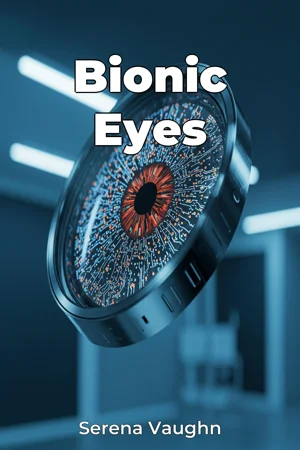
Can we truly replicate the complexity of human sight? "Bionic Eyes" delves into the cutting-edge world of artificial vision, smart lenses, and vision-enhancing technologies, exploring the scientific advancements aimed at restoring and augmenting human sight. This book is important because it addresses a growing need: as the global population ages, vision impairment becomes increasingly prevalent, impacting quality of life and economic productivity. Understanding the potential of these technologies offers hope for millions and raises crucial ethical considerations. The book navigates three central themes: the development of bionic eyes, the evolution of smart lenses, and the broader spectrum of vision enhancement techniques. Bionic eyes, or retinal implants; promise to restore a degree of sight to those blinded by specific conditions. Smart lenses offer corrective and potentially therapeutic benefits, adapting to individual needs and even monitoring health metrics. The vision enhancement techniques range from gene therapies to pharmacological interventions, representing a multifaceted approach to visual impairment. Understanding the human eye's anatomy and the pathways of visual processing is essential before exploring artificial solutions. A brief overview of the history of vision research, from early optics to modern neuroscience, provides context for the current state of bionic eye technology. At its core, "Bionic Eyes" argues that while replicating natural human vision presents formidable challenges. The convergence of bioengineering, microelectronics, and advanced materials is yielding increasingly sophisticated solutions that offer tangible benefits to individuals with impaired sight. This argument is vital because it shifts the focus from purely theoretical possibilities to practical realities, highlighting the potential for these technologies to transform lives. The book begins with an introduction to the fundamentals of human vision and common causes of vision loss. It then systematically examines the technologies being developed to address these issues. Key sections include: a) An exploration of current bionic eye prototypes, detailing their design, functionality, and limitations based on clinical trial results. b) A discussion of smart lenses and their ability to correct refractive errors, deliver medication, and monitor glucose levels in diabetic patients. c) An overview of other vision enhancement strategies, like gene therapy for inherited retinal diseases or pharmacological interventions to slow down macular degeneration. d) An examination of ethical considerations like accessibility, affordability, and potential enhancements beyond therapeutic needs. The evidence presented includes clinical trial data, engineering specifications of bionic devices, and scientific literature on materials science and bio-integrated technologies. Case studies of individuals who have received bionic implants or utilize other vision-enhancing technologies will illustrate the practical impact of these advancements. "Bionic Eyes" connects to several disciplines. Ophthalmology and Neuroscience provide the foundation for understanding visual perception, while Engineering and Materials Science are crucial for developing the devices themselves. Bioethics informs the responsible development and deployment of these technologies. This book stands out because it combines a rigorous scientific approach with a focus on real-world applications and patient experiences. It discusses not only the technical details but also the practical and ethical implications of these advancements. The tone is informative and accessible, balancing technical accuracy with clear explanations suitable for a broad audience. While grounded in science, the narrative incorporates personal stories to humanize the subject matter. The intended audience includes students and researchers in biomedical engineering, ophthalmology, and neuroscience. It is also aimed at anyone interested in the future of medicine and technology, particularly those affected by vision impairment. As a work of science and technology non-fiction, "Bionic Eyes" aims to present factual information in a clear, unbiased manner, citing sources and acknowledging limitations. While the book covers a broad range of vision-enhancing technologies, it focuses primarily on artificial and technological solutions rather than exploring alternative therapies like traditional medicine or lifestyle interventions. The book highlights the potential for these technologies to improve the lives of individuals with vision loss, enabling them to regain independence, participate more fully in society, and experience a higher quality of life. The book does acknowledge ongoing debates surrounding the cost-effectiveness of bionic eyes, the potential for inequitable access, and the ethical implications of enhancing human vision beyond normal capabilities.
Can we truly replicate the complexity of human sight? "Bionic Eyes" delves into the cutting-edge world of artificial vision, smart lenses, and vision-enhancing technologies, exploring the scientific advancements aimed at restoring and augmenting human sight. This book is important because it addresses a growing need: as the global population ages, vision impairment becomes increasingly prevalent, impacting quality of life and economic productivity. Understanding the potential of these technologies offers hope for millions and raises crucial ethical considerations. The book navigates three central themes: the development of bionic eyes, the evolution of smart lenses, and the broader spectrum of vision enhancement techniques. Bionic eyes, or retinal implants; promise to restore a degree of sight to those blinded by specific conditions. Smart lenses offer corrective and potentially therapeutic benefits, adapting to individual needs and even monitoring health metrics. The vision enhancement techniques range from gene therapies to pharmacological interventions, representing a multifaceted approach to visual impairment. Understanding the human eye's anatomy and the pathways of visual processing is essential before exploring artificial solutions. A brief overview of the history of vision research, from early optics to modern neuroscience, provides context for the current state of bionic eye technology. At its core, "Bionic Eyes" argues that while replicating natural human vision presents formidable challenges. The convergence of bioengineering, microelectronics, and advanced materials is yielding increasingly sophisticated solutions that offer tangible benefits to individuals with impaired sight. This argument is vital because it shifts the focus from purely theoretical possibilities to practical realities, highlighting the potential for these technologies to transform lives. The book begins with an introduction to the fundamentals of human vision and common causes of vision loss. It then systematically examines the technologies being developed to address these issues. Key sections include: a) An exploration of current bionic eye prototypes, detailing their design, functionality, and limitations based on clinical trial results. b) A discussion of smart lenses and their ability to correct refractive errors, deliver medication, and monitor glucose levels in diabetic patients. c) An overview of other vision enhancement strategies, like gene therapy for inherited retinal diseases or pharmacological interventions to slow down macular degeneration. d) An examination of ethical considerations like accessibility, affordability, and potential enhancements beyond therapeutic needs. The evidence presented includes clinical trial data, engineering specifications of bionic devices, and scientific literature on materials science and bio-integrated technologies. Case studies of individuals who have received bionic implants or utilize other vision-enhancing technologies will illustrate the practical impact of these advancements. "Bionic Eyes" connects to several disciplines. Ophthalmology and Neuroscience provide the foundation for understanding visual perception, while Engineering and Materials Science are crucial for developing the devices themselves. Bioethics informs the responsible development and deployment of these technologies. This book stands out because it combines a rigorous scientific approach with a focus on real-world applications and patient experiences. It discusses not only the technical details but also the practical and ethical implications of these advancements. The tone is informative and accessible, balancing technical accuracy with clear explanations suitable for a broad audience. While grounded in science, the narrative incorporates personal stories to humanize the subject matter. The intended audience includes students and researchers in biomedical engineering, ophthalmology, and neuroscience. It is also aimed at anyone interested in the future of medicine and technology, particularly those affected by vision impairment. As a work of science and technology non-fiction, "Bionic Eyes" aims to present factual information in a clear, unbiased manner, citing sources and acknowledging limitations. While the book covers a broad range of vision-enhancing technologies, it focuses primarily on artificial and technological solutions rather than exploring alternative therapies like traditional medicine or lifestyle interventions. The book highlights the potential for these technologies to improve the lives of individuals with vision loss, enabling them to regain independence, participate more fully in society, and experience a higher quality of life. The book does acknowledge ongoing debates surrounding the cost-effectiveness of bionic eyes, the potential for inequitable access, and the ethical implications of enhancing human vision beyond normal capabilities.
"Bionic Eyes" explores the fascinating realm of artificial vision, delving into how technology aims to restore and enhance sight. As vision impairment rises globally, this book examines bionic eyes (retinal implants), smart lenses, and other innovative techniques, offering hope through bioengineering, neuroscience, and cutting-edge materials. Did you know that smart lenses can potentially monitor glucose levels in diabetic patients, or that gene therapy is being explored to combat inherited retinal diseases? The book begins with the fundamentals of human vision and common causes of vision loss, then progresses to examine current bionic eye prototypes, smart lenses, and vision enhancement strategies. It argues that while replicating natural vision remains a challenge, the merging of disciplines is creating tangible solutions. Clinical trial data and engineering specifications are presented alongside case studies, highlighting the potential to transform lives through vision enhancement. This book uniquely balances rigorous science with real-world applications, discussing not only the technical details but also the ethical considerations surrounding accessibility, affordability, and the potential for enhancements beyond therapeutic needs. It navigates the complexities of ophthalmology and neuroscience, while acknowledging ongoing debates about cost-effectiveness and equitable access to these technologies.
Book Details
ISBN
9788235293077
Publisher
Publifye AS
Your Licenses
You don't own any licenses for this book
Purchase a license below to unlock this book and download the EPUB.
Purchase License
Select a tier to unlock this book
Need bulk licensing?
Contact us for enterprise agreements.