
About This Book
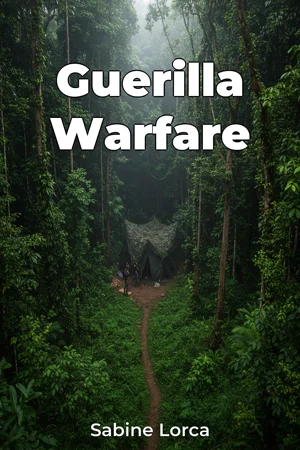
How can a vastly outnumbered and outgunned force hope to prevail against a conventional army? "Guerilla Warfare" explores the strategies, tactics, and historical significance of unconventional warfare, examining how smaller, more mobile forces have leveraged surprise, terrain, and local support to challenge and sometimes defeat larger, better-equipped adversaries. This book delves into the core principles of guerilla warfare and its impact on military history. This comprehensive study addresses multiple critical topics. It dissects the strategies employed by guerilla forces, emphasizing mobility, deception, and the exploitation of enemy weaknesses. Additionally, the book analyzes the socio-political dimensions of guerilla warfare, highlighting the importance of popular support, ideology, and external assistance in sustaining a protracted conflict. Lastly, it investigates the evolution of counter-guerilla tactics, examining how conventional armies have adapted to combat these elusive and unconventional threats. Understanding guerilla warfare requires contextual awareness. The book situates the discussion within various historical periods and geographical locations, from ancient conflicts to modern insurgencies. It presupposes a basic familiarity with military history and strategic thinking, which will enable readers to appreciate the nuances of the tactics and strategies discussed. The central argument of "Guerilla Warfare" posits that unconventional warfare is not simply a set of tactics but a comprehensive approach to conflict that challenges the conventional understanding of military power. It demonstrates how guerilla warfare can serve as a potent equalizer, allowing weaker forces to achieve strategic objectives against seemingly insurmountable odds. This book is structured to provide a comprehensive overview of guerilla warfare. It begins by defining the core concepts and principles, distinguishing guerilla warfare from other forms of conflict, such as conventional warfare and terrorism. It then explores the elements of successful guerilla campaigns, including leadership, organization, logistics, and intelligence. Major sections explore specific historical examples, such as the Peninsular War, the Vietnam War, and the Soviet-Afghan War, to illustrate key principles and strategies. The book culminates by examining the challenges and limitations of guerilla warfare and its implications for contemporary conflict. Finally, it considers the ethical dimensions of guerilla warfare, acknowledging the complexities and moral dilemmas inherent in this form of conflict. The analysis presented in "Guerilla Warfare" draws upon a wide range of sources, including military histories, primary source accounts, academic studies, and case studies. The book incorporates statistical data on casualty rates, resource allocation, and campaign outcomes to provide a quantitative dimension to the analysis. Battlefield reports, captured documents, and interviews with veterans from both sides of the conflicts are also included. "Guerilla Warfare" connects to various other fields of study, including political science, sociology, and economics. It explores the political motivations and social dynamics that drive guerilla movements, examining the role of ideology, grievance, and identity in shaping the course of conflict. It also addresses the economic impact of guerilla warfare on societies and states, considering the costs of conflict, the disruption of trade, and the displacement of populations. This book offers a unique perspective by examining guerilla warfare not merely as a set of military tactics, but as a complex socio-political phenomenon with profound implications for the balance of power in the international arena. It moves beyond the conventional focus on military strategy to analyze the broader context in which guerilla warfare occurs, thereby offering a more nuanced and comprehensive understanding of this form of conflict. The tone and writing style of "Guerilla Warfare" are academic yet accessible, aiming to provide a rigorous analysis of the topic while remaining engaging and informative for a broad audience. The intended audience for "Guerilla Warfare" includes military professionals, historians, political scientists, and anyone interested in understanding the dynamics of asymmetric conflict. It will also appeal to students of military history and international relations seeking a comprehensive overview of guerilla warfare. As a work of military history, "Guerilla Warfare" adheres to the genre's conventions by providing a detailed account of historical events, analyzing military strategies and tactics, and assessing the outcomes of specific conflicts. It incorporates elements of political and social history to provide a broader context for its analysis. The book's scope is comprehensive, covering a wide range of historical periods and geographical locations. However, it does not delve into the specifics of contemporary counter-terrorism operations, focusing instead on the broader principles and dynamics of guerilla warfare. The insights offered in "Guerilla Warfare" can be applied in various real-world contexts, from military planning and intelligence analysis to conflict resolution and peacebuilding. It can also inform the development of policies and strategies aimed at addressing the root causes of insurgency and promoting stability in conflict-affected regions. The study addresses ongoing debates in the field of military history, such as the relative importance of military factors versus socio-political factors in determining the outcome of guerilla conflicts.
How can a vastly outnumbered and outgunned force hope to prevail against a conventional army? "Guerilla Warfare" explores the strategies, tactics, and historical significance of unconventional warfare, examining how smaller, more mobile forces have leveraged surprise, terrain, and local support to challenge and sometimes defeat larger, better-equipped adversaries. This book delves into the core principles of guerilla warfare and its impact on military history. This comprehensive study addresses multiple critical topics. It dissects the strategies employed by guerilla forces, emphasizing mobility, deception, and the exploitation of enemy weaknesses. Additionally, the book analyzes the socio-political dimensions of guerilla warfare, highlighting the importance of popular support, ideology, and external assistance in sustaining a protracted conflict. Lastly, it investigates the evolution of counter-guerilla tactics, examining how conventional armies have adapted to combat these elusive and unconventional threats. Understanding guerilla warfare requires contextual awareness. The book situates the discussion within various historical periods and geographical locations, from ancient conflicts to modern insurgencies. It presupposes a basic familiarity with military history and strategic thinking, which will enable readers to appreciate the nuances of the tactics and strategies discussed. The central argument of "Guerilla Warfare" posits that unconventional warfare is not simply a set of tactics but a comprehensive approach to conflict that challenges the conventional understanding of military power. It demonstrates how guerilla warfare can serve as a potent equalizer, allowing weaker forces to achieve strategic objectives against seemingly insurmountable odds. This book is structured to provide a comprehensive overview of guerilla warfare. It begins by defining the core concepts and principles, distinguishing guerilla warfare from other forms of conflict, such as conventional warfare and terrorism. It then explores the elements of successful guerilla campaigns, including leadership, organization, logistics, and intelligence. Major sections explore specific historical examples, such as the Peninsular War, the Vietnam War, and the Soviet-Afghan War, to illustrate key principles and strategies. The book culminates by examining the challenges and limitations of guerilla warfare and its implications for contemporary conflict. Finally, it considers the ethical dimensions of guerilla warfare, acknowledging the complexities and moral dilemmas inherent in this form of conflict. The analysis presented in "Guerilla Warfare" draws upon a wide range of sources, including military histories, primary source accounts, academic studies, and case studies. The book incorporates statistical data on casualty rates, resource allocation, and campaign outcomes to provide a quantitative dimension to the analysis. Battlefield reports, captured documents, and interviews with veterans from both sides of the conflicts are also included. "Guerilla Warfare" connects to various other fields of study, including political science, sociology, and economics. It explores the political motivations and social dynamics that drive guerilla movements, examining the role of ideology, grievance, and identity in shaping the course of conflict. It also addresses the economic impact of guerilla warfare on societies and states, considering the costs of conflict, the disruption of trade, and the displacement of populations. This book offers a unique perspective by examining guerilla warfare not merely as a set of military tactics, but as a complex socio-political phenomenon with profound implications for the balance of power in the international arena. It moves beyond the conventional focus on military strategy to analyze the broader context in which guerilla warfare occurs, thereby offering a more nuanced and comprehensive understanding of this form of conflict. The tone and writing style of "Guerilla Warfare" are academic yet accessible, aiming to provide a rigorous analysis of the topic while remaining engaging and informative for a broad audience. The intended audience for "Guerilla Warfare" includes military professionals, historians, political scientists, and anyone interested in understanding the dynamics of asymmetric conflict. It will also appeal to students of military history and international relations seeking a comprehensive overview of guerilla warfare. As a work of military history, "Guerilla Warfare" adheres to the genre's conventions by providing a detailed account of historical events, analyzing military strategies and tactics, and assessing the outcomes of specific conflicts. It incorporates elements of political and social history to provide a broader context for its analysis. The book's scope is comprehensive, covering a wide range of historical periods and geographical locations. However, it does not delve into the specifics of contemporary counter-terrorism operations, focusing instead on the broader principles and dynamics of guerilla warfare. The insights offered in "Guerilla Warfare" can be applied in various real-world contexts, from military planning and intelligence analysis to conflict resolution and peacebuilding. It can also inform the development of policies and strategies aimed at addressing the root causes of insurgency and promoting stability in conflict-affected regions. The study addresses ongoing debates in the field of military history, such as the relative importance of military factors versus socio-political factors in determining the outcome of guerilla conflicts.
"Guerilla Warfare" explores the multifaceted nature of unconventional warfare, a strategy where smaller, agile forces challenge larger, conventional armies. The book dives into the historical significance and core principles that allow guerilla fighters to leverage terrain, surprise, and local support. It reveals that successful guerilla campaigns depend not only on military tactics but also on socio-political dynamics, such as popular support and ideological alignment. The study examines the evolution of both guerilla tactics and counter-guerilla strategies across different historical periods and geographical locations. By dissecting historical examples, the book highlights key elements like leadership, logistics, and intelligence, and how these translate into effective asymmetric conflict. Readers will appreciate the book's comprehensive approach, which goes beyond basic military strategy to analyze the broader context in which guerilla warfare unfolds. Beginning with core concepts and progressing through historical case studies, "Guerilla Warfare" offers a detailed yet accessible analysis. The book argues that unconventional warfare acts as a potent equalizer, enabling weaker forces to achieve strategic goals against seemingly insurmountable odds. It concludes by addressing the ethical dimensions and contemporary implications of this complex form of military conflict.
Book Details
ISBN
9788235292766
Publisher
Publifye AS
Your Licenses
You don't own any licenses for this book
Purchase a license below to unlock this book and download the EPUB.
Purchase License
Select a tier to unlock this book
Need bulk licensing?
Contact us for enterprise agreements.