
About This Book
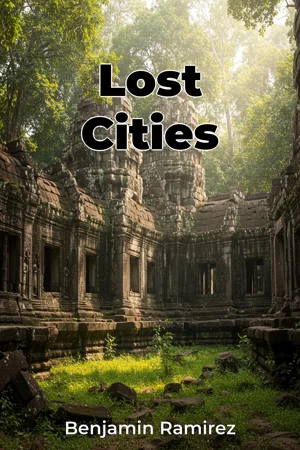
What if entire civilizations, teeming with life and groundbreaking innovation, vanished beneath the relentless march of time, leaving behind only whispers in the wind and secrets buried deep within the earth? "Lost Cities" embarks on a journey to uncover these forgotten metropolises, exploring their architecture, history, and the archaeological endeavors that bring them back to light. This book delves into the captivating world of lost urban centers, revealing not only their physical structures but also the complex societies that inhabited them and the reasons for their ultimate demise. The central argument posits that studying lost cities provides invaluable insights into the cyclical nature of civilization, the impact of environmental changes, and the enduring power of human innovation and adaptation. By examining the rise and fall of these urban centers, we can gain a deeper understanding of the factors that contribute to societal resilience and collapse, offering crucial lessons for contemporary urban planning and global sustainability. The narrative begins by introducing the multifaceted field of archaeology, highlighting the essential tools and methodologies employed to excavate and interpret lost cities. Initial chapters address fundamental concepts in archaeological dating, remote sensing, and artifact analysis, equipping readers with the necessary foundation to appreciate the subsequent explorations. The book then transitions into detailed case studies of several significant lost cities, categorized by their geographical locations and the primary causes of their abandonment. For example, we will investigate cities swallowed by dense jungles, such as Angkor in Cambodia, examining the intricate hydraulic systems that sustained its vast population and the potential environmental factors that led to its decline. Another section explores cities buried beneath arid deserts, including Ubar in Oman, scrutinizing the impact of resource depletion and shifting trade routes on their prosperity. Finally, the book peers into the depths of the ocean to uncover submerged settlements like Pavlopetri in Greece, analyzing the catastrophic geological events that consigned them to a watery grave. Each chapter meticulously presents the archaeological evidence, including architectural remains, written records (where available), and material culture, to reconstruct the daily lives, social structures, and technological achievements of the inhabitants. The interpretations are grounded in rigorous scientific research, drawing upon diverse sources such as radiocarbon dating, stratigraphic analysis, and comparative studies of contemporary cultures. “Lost Cities” also forges interdisciplinary connections with climatology, geology, and anthropology. Understanding past climate changes helps explain environmental pressures on ancient urban centers. Geological analyses reveal catastrophic events that might have contributed to a city’s demise. Anthropological studies offer comparative insights into ancient social structures and belief systems. This book distinguishes itself by adopting a holistic approach, integrating archaeological findings with historical accounts and environmental data to provide a comprehensive understanding of each lost city. The narrative is meticulously researched and presented in a factual and engaging manner. The target audience includes students of archaeology, history, and architecture, as well as general readers with an interest in ancient civilizations and urban studies. It offers value by presenting a wealth of information in an accessible format, accompanied by maps, diagrams, and photographs that enhance the reading experience. As a work of non-fiction, "Lost Cities" adheres to the established conventions of scholarly rigor and accuracy. Claims are substantiated with evidence, and interpretations are presented with appropriate caveats. The book acknowledges the inherent limitations of archaeological research, recognizing that our understanding of the past is always evolving as new discoveries are made. While the book aims to provide a broad overview of lost cities around the world, it acknowledges that it may not be exhaustive. Certain regions and historical periods receive greater attention due to the availability of archaeological data and the significance of the sites. The knowledge gained from exploring lost cities has real-world applications in contemporary urban planning and heritage preservation. By understanding the mistakes and successes of past civilizations, we can design more sustainable and resilient cities for the future and protect endangered archaeological sites from the threats of development and environmental degradation. In its exploration of lost cities, the book inevitably touches upon ongoing debates within the archaeological community, such as the interpretation of ancient texts and the ethical considerations of excavating and preserving cultural heritage. These controversies are presented objectively, allowing readers to form their own informed opinions.
What if entire civilizations, teeming with life and groundbreaking innovation, vanished beneath the relentless march of time, leaving behind only whispers in the wind and secrets buried deep within the earth? "Lost Cities" embarks on a journey to uncover these forgotten metropolises, exploring their architecture, history, and the archaeological endeavors that bring them back to light. This book delves into the captivating world of lost urban centers, revealing not only their physical structures but also the complex societies that inhabited them and the reasons for their ultimate demise. The central argument posits that studying lost cities provides invaluable insights into the cyclical nature of civilization, the impact of environmental changes, and the enduring power of human innovation and adaptation. By examining the rise and fall of these urban centers, we can gain a deeper understanding of the factors that contribute to societal resilience and collapse, offering crucial lessons for contemporary urban planning and global sustainability. The narrative begins by introducing the multifaceted field of archaeology, highlighting the essential tools and methodologies employed to excavate and interpret lost cities. Initial chapters address fundamental concepts in archaeological dating, remote sensing, and artifact analysis, equipping readers with the necessary foundation to appreciate the subsequent explorations. The book then transitions into detailed case studies of several significant lost cities, categorized by their geographical locations and the primary causes of their abandonment. For example, we will investigate cities swallowed by dense jungles, such as Angkor in Cambodia, examining the intricate hydraulic systems that sustained its vast population and the potential environmental factors that led to its decline. Another section explores cities buried beneath arid deserts, including Ubar in Oman, scrutinizing the impact of resource depletion and shifting trade routes on their prosperity. Finally, the book peers into the depths of the ocean to uncover submerged settlements like Pavlopetri in Greece, analyzing the catastrophic geological events that consigned them to a watery grave. Each chapter meticulously presents the archaeological evidence, including architectural remains, written records (where available), and material culture, to reconstruct the daily lives, social structures, and technological achievements of the inhabitants. The interpretations are grounded in rigorous scientific research, drawing upon diverse sources such as radiocarbon dating, stratigraphic analysis, and comparative studies of contemporary cultures. “Lost Cities” also forges interdisciplinary connections with climatology, geology, and anthropology. Understanding past climate changes helps explain environmental pressures on ancient urban centers. Geological analyses reveal catastrophic events that might have contributed to a city’s demise. Anthropological studies offer comparative insights into ancient social structures and belief systems. This book distinguishes itself by adopting a holistic approach, integrating archaeological findings with historical accounts and environmental data to provide a comprehensive understanding of each lost city. The narrative is meticulously researched and presented in a factual and engaging manner. The target audience includes students of archaeology, history, and architecture, as well as general readers with an interest in ancient civilizations and urban studies. It offers value by presenting a wealth of information in an accessible format, accompanied by maps, diagrams, and photographs that enhance the reading experience. As a work of non-fiction, "Lost Cities" adheres to the established conventions of scholarly rigor and accuracy. Claims are substantiated with evidence, and interpretations are presented with appropriate caveats. The book acknowledges the inherent limitations of archaeological research, recognizing that our understanding of the past is always evolving as new discoveries are made. While the book aims to provide a broad overview of lost cities around the world, it acknowledges that it may not be exhaustive. Certain regions and historical periods receive greater attention due to the availability of archaeological data and the significance of the sites. The knowledge gained from exploring lost cities has real-world applications in contemporary urban planning and heritage preservation. By understanding the mistakes and successes of past civilizations, we can design more sustainable and resilient cities for the future and protect endangered archaeological sites from the threats of development and environmental degradation. In its exploration of lost cities, the book inevitably touches upon ongoing debates within the archaeological community, such as the interpretation of ancient texts and the ethical considerations of excavating and preserving cultural heritage. These controversies are presented objectively, allowing readers to form their own informed opinions.
"Lost Cities" explores the captivating stories of forgotten urban centers, examining their architecture, history, and the archaeological efforts to unearth them. Uncover the mysteries of ancient civilizations and their metropolises, learning how environmental changes and societal factors contributed to their abandonment. The book highlights how studying these lost cities offers invaluable lessons for contemporary urban planning and global sustainability, providing insights into the cyclical nature of civilization. The book begins by equipping readers with essential archaeological tools and methodologies, such as dating techniques, remote sensing, and artifact analysis. Delving into detailed case studies, the narrative examines cities swallowed by jungles, like Angkor, and those buried beneath deserts, such as Ubar, scrutinizing the impact of environmental pressures and resource depletion. Discover submerged settlements, such as Pavlopetri, analyzing the catastrophic geological events that led to their demise. Adopting a holistic approach, "Lost Cities" integrates archaeological findings with historical accounts and environmental data. Each chapter meticulously presents architectural remains, written records, and material culture to reconstruct the lives and achievements of past inhabitants. This meticulously researched book distinguishes itself by forging interdisciplinary connections with climatology, geology, and anthropology, offering a comprehensive understanding of each lost city and its relevance to our modern world.
Book Details
ISBN
9788235292742
Publisher
Publifye AS
Your Licenses
You don't own any licenses for this book
Purchase a license below to unlock this book and download the EPUB.
Purchase License
Select a tier to unlock this book
Need bulk licensing?
Contact us for enterprise agreements.