
About This Book
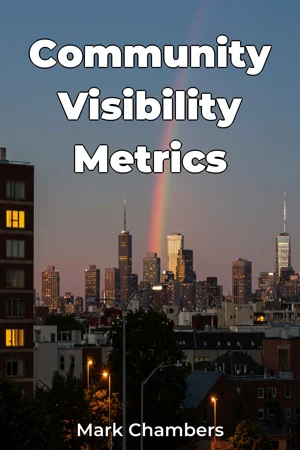
How do we truly measure a community's inclusivity and acceptance? "Community Visibility Metrics" examines the multifaceted challenge of quantifying LGBTQ public integration across diverse regional contexts. This book delves into the critical, yet often elusive, task of assessing LGBTQ visibility not just as a matter of representation, but as a crucial indicator of social progress and equality. We tackle three key areas: census data analysis, media representation, and social indicator frameworks. Understanding how LGBTQ individuals are counted and characterized in census data is paramount to effective resource allocation and policy making. Examining media presence reveals the narratives and stereotypes that shape public perception. Finally, analyzing social indicators, such as rates of discrimination, access to healthcare, and educational opportunities, provides a holistic view of LGBTQ integration within a community. These topics are vital because they provide tangible metrics against which we can measure progress, identify disparities, and advocate for change. The book operates within a landscape shaped by historical marginalization and ongoing struggles for LGBTQ rights. An understanding of the evolution of LGBTQ activism, legal battles, and social attitudes is crucial for interpreting the data presented. Readers will benefit from a basic understanding of statistical analysis and social science research methods. The central argument posits that a comprehensive, multi-dimensional approach to measuring LGBTQ visibility is essential for fostering truly inclusive societies. Relying on single metrics or anecdotal evidence provides an incomplete and often misleading picture. This argument is vital because it challenges existing assessment methods and advocates for a more nuanced and equitable framework. Structured in three parts, the book first introduces the core concepts of visibility, integration, and measurement. It then develops these ideas through detailed analyses of census data methodologies across different countries, exploring the representation of LGBTQ individuals in various media platforms, and examining the utility of different social indicators for assessing community acceptance. The book culminates with a proposed framework for a standardized LGBTQ visibility index, offering practical guidelines for implementation. Evidence presented includes quantitative analysis of census data from various nations, content analysis of media portrayals, and statistical correlations between social indicators and LGBTQ well-being. Original data from surveys and interviews conducted across different regions supplements existing research. The book also draws connections to related fields, such as urban planning (understanding how inclusive spaces contribute to LGBTQ well-being), public health (examining health disparities within the LGBTQ community), and economics (assessing the economic impact of discrimination). These interdisciplinary connections enrich the analysis and demonstrate the multifaceted nature of LGBTQ integration. The book offers a unique perspective by combining quantitative data analysis with qualitative insights, providing a rigorous yet accessible exploration of LGBTQ visibility. It employs a data-driven approach, offering concrete metrics and measurable outcomes. The tone is academic yet accessible, aiming to engage a broad audience interested in social justice and equality. The writing style is clear, concise, and avoids jargon wherever possible. The target audience includes policymakers, social scientists, LGBTQ advocates, and anyone interested in understanding and promoting LGBTQ inclusion. This book would be valuable to them because it provides the tools and knowledge necessary to assess and improve LGBTQ visibility in their communities. As a work of social science, the book adheres to the conventions of rigorous research, data analysis, and evidence-based conclusions. It addresses potential biases and limitations inherent in the data. The book focuses on developed nations and regions with available data, acknowledging the limitations in applying these metrics to areas with less robust data collection systems. The information presented can be applied practically by policymakers seeking to develop inclusive policies, advocates working to raise awareness and promote equality, and researchers studying LGBTQ issues. The book engages with ongoing debates surrounding the definition of LGBTQ identity, the ethics of data collection, and the effectiveness of different social policies.
How do we truly measure a community's inclusivity and acceptance? "Community Visibility Metrics" examines the multifaceted challenge of quantifying LGBTQ public integration across diverse regional contexts. This book delves into the critical, yet often elusive, task of assessing LGBTQ visibility not just as a matter of representation, but as a crucial indicator of social progress and equality. We tackle three key areas: census data analysis, media representation, and social indicator frameworks. Understanding how LGBTQ individuals are counted and characterized in census data is paramount to effective resource allocation and policy making. Examining media presence reveals the narratives and stereotypes that shape public perception. Finally, analyzing social indicators, such as rates of discrimination, access to healthcare, and educational opportunities, provides a holistic view of LGBTQ integration within a community. These topics are vital because they provide tangible metrics against which we can measure progress, identify disparities, and advocate for change. The book operates within a landscape shaped by historical marginalization and ongoing struggles for LGBTQ rights. An understanding of the evolution of LGBTQ activism, legal battles, and social attitudes is crucial for interpreting the data presented. Readers will benefit from a basic understanding of statistical analysis and social science research methods. The central argument posits that a comprehensive, multi-dimensional approach to measuring LGBTQ visibility is essential for fostering truly inclusive societies. Relying on single metrics or anecdotal evidence provides an incomplete and often misleading picture. This argument is vital because it challenges existing assessment methods and advocates for a more nuanced and equitable framework. Structured in three parts, the book first introduces the core concepts of visibility, integration, and measurement. It then develops these ideas through detailed analyses of census data methodologies across different countries, exploring the representation of LGBTQ individuals in various media platforms, and examining the utility of different social indicators for assessing community acceptance. The book culminates with a proposed framework for a standardized LGBTQ visibility index, offering practical guidelines for implementation. Evidence presented includes quantitative analysis of census data from various nations, content analysis of media portrayals, and statistical correlations between social indicators and LGBTQ well-being. Original data from surveys and interviews conducted across different regions supplements existing research. The book also draws connections to related fields, such as urban planning (understanding how inclusive spaces contribute to LGBTQ well-being), public health (examining health disparities within the LGBTQ community), and economics (assessing the economic impact of discrimination). These interdisciplinary connections enrich the analysis and demonstrate the multifaceted nature of LGBTQ integration. The book offers a unique perspective by combining quantitative data analysis with qualitative insights, providing a rigorous yet accessible exploration of LGBTQ visibility. It employs a data-driven approach, offering concrete metrics and measurable outcomes. The tone is academic yet accessible, aiming to engage a broad audience interested in social justice and equality. The writing style is clear, concise, and avoids jargon wherever possible. The target audience includes policymakers, social scientists, LGBTQ advocates, and anyone interested in understanding and promoting LGBTQ inclusion. This book would be valuable to them because it provides the tools and knowledge necessary to assess and improve LGBTQ visibility in their communities. As a work of social science, the book adheres to the conventions of rigorous research, data analysis, and evidence-based conclusions. It addresses potential biases and limitations inherent in the data. The book focuses on developed nations and regions with available data, acknowledging the limitations in applying these metrics to areas with less robust data collection systems. The information presented can be applied practically by policymakers seeking to develop inclusive policies, advocates working to raise awareness and promote equality, and researchers studying LGBTQ issues. The book engages with ongoing debates surrounding the definition of LGBTQ identity, the ethics of data collection, and the effectiveness of different social policies.
"Community Visibility Metrics" tackles the complex task of measuring LGBTQ public integration as a crucial indicator of social progress and equality. It emphasizes the need for a multi-dimensional approach to evaluating LGBTQ visibility, moving beyond anecdotal evidence to provide tangible metrics for change. The book highlights that understanding LGBTQ representation in census data is vital for resource allocation and policy making, while media representation shapes public perception. The book examines census data methodologies, media portrayals, and social indicators to assess community acceptance. It argues that relying on single metrics provides an incomplete picture, advocating for a nuanced framework. For example, analyzing rates of discrimination alongside access to healthcare offers a more holistic view of LGBTQ integration. Structured in three parts, the book introduces core concepts, analyzes data, and proposes a standardized LGBTQ visibility index. By combining quantitative data analysis with qualitative insights, it provides a rigorous yet accessible exploration valuable to policymakers, social scientists, and LGBTQ advocates.
Book Details
ISBN
9788235292612
Publisher
Publifye AS
Your Licenses
You don't own any licenses for this book
Purchase a license below to unlock this book and download the EPUB.
Purchase License
Select a tier to unlock this book
Need bulk licensing?
Contact us for enterprise agreements.