
About This Book
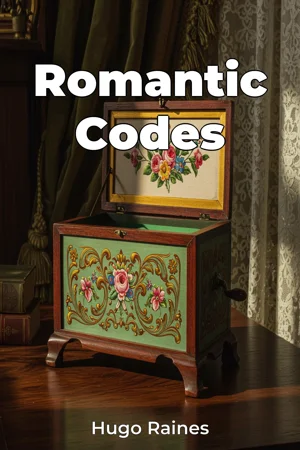
Have you ever wondered what unspoken messages lie hidden within the seemingly innocent exchanges of lovers throughout history? "Romantic Codes" delves into the fascinating world of coded language used in romantic communication across different eras and cultures, revealing the ingenious ways individuals have expressed affection, desire, and commitment while circumventing societal constraints or prying eyes. This book examines the history, evolution, and significance of these hidden languages of love. The book explores several key areas. First, it analyzes the historical context of coded romantic language, explaining why such subterfuge became necessary in various periods, from the Victorian era's rigid social etiquette to politically repressive regimes where personal expression was curtailed. Second, it investigates the diverse forms these codes have taken, including floral language (floriography), the use of specific colors or gemstones, coded messages within paintings or musical compositions, and even complex systems of secret hand gestures or shared phrases. Finally, the book focuses on the cultural impact of these coded communications, demonstrating how they have shaped romantic relationships, inspired art and literature, and even influenced historical events. "Romantic Codes" argues that the use of coded romantic language is not merely a historical curiosity but a fundamental aspect of human connection, reflecting our innate desire for intimacy, self-expression, and the creation of shared meaning. These codes provide a unique window into the social and emotional lives of people from the past, revealing their hopes, fears, and the lengths to which they would go to express their feelings. The book presents a comprehensive overview, beginning by introducing the foundational concepts of coded communication and its psychological underpinnings, followed by a chronological exploration of romantic codes across different historical periods and geographical regions. Each section examines specific examples of coded language, analyzing their structure, meaning, and social context. The book culminates by exploring the modern relevance of these codes, examining how they continue to influence our romantic relationships and inform contemporary art and culture. The evidence presented throughout the book will draw upon a variety of primary sources, including personal letters, diaries, poems, novels, etiquette manuals, and artistic works. These sources will be analyzed using a combination of historical, literary, and linguistic methods. "Romantic Codes" makes connections to other fields, like art history (analyzing coded messages within paintings), musicology (dissecting romantic symbolism in musical compositions), and anthropology (exploring cross-cultural variations in romantic expression). This interdisciplinary approach enriches the analysis and provides a more holistic understanding of the subject. "Romantic Codes" distinguishes itself through its broad historical scope, its detailed analysis of diverse coding methods, and its focus on the cultural impact of coded romantic language. The tone is academic yet accessible, balancing scholarly rigor with engaging storytelling to appeal to a wide audience. Intended for readers interested in history, literature, linguistics, or anyone fascinated by the intricacies of human relationships, this book offers a unique perspective on the enduring power of love and communication. The book's scope encompasses a wide range of historical periods and cultural contexts, but it also acknowledges certain limitations such as the availability of primary sources and the challenges of interpreting coded messages across different eras. Despite these limitations, "Romantic Codes" offers valuable insights into the ways in which individuals have used coded language to express their innermost feelings. Understanding these codes can not only enrich our appreciation of history and literature but also provide a framework for analyzing contemporary forms of romantic communication, from emojis and social media to subtle gestures and shared jokes. While there are ongoing debates about the interpretation of certain historical symbols and the extent to which coded language was consciously employed, "Romantic Codes" aims to provide a nuanced and well-supported analysis based on the available evidence.
Have you ever wondered what unspoken messages lie hidden within the seemingly innocent exchanges of lovers throughout history? "Romantic Codes" delves into the fascinating world of coded language used in romantic communication across different eras and cultures, revealing the ingenious ways individuals have expressed affection, desire, and commitment while circumventing societal constraints or prying eyes. This book examines the history, evolution, and significance of these hidden languages of love. The book explores several key areas. First, it analyzes the historical context of coded romantic language, explaining why such subterfuge became necessary in various periods, from the Victorian era's rigid social etiquette to politically repressive regimes where personal expression was curtailed. Second, it investigates the diverse forms these codes have taken, including floral language (floriography), the use of specific colors or gemstones, coded messages within paintings or musical compositions, and even complex systems of secret hand gestures or shared phrases. Finally, the book focuses on the cultural impact of these coded communications, demonstrating how they have shaped romantic relationships, inspired art and literature, and even influenced historical events. "Romantic Codes" argues that the use of coded romantic language is not merely a historical curiosity but a fundamental aspect of human connection, reflecting our innate desire for intimacy, self-expression, and the creation of shared meaning. These codes provide a unique window into the social and emotional lives of people from the past, revealing their hopes, fears, and the lengths to which they would go to express their feelings. The book presents a comprehensive overview, beginning by introducing the foundational concepts of coded communication and its psychological underpinnings, followed by a chronological exploration of romantic codes across different historical periods and geographical regions. Each section examines specific examples of coded language, analyzing their structure, meaning, and social context. The book culminates by exploring the modern relevance of these codes, examining how they continue to influence our romantic relationships and inform contemporary art and culture. The evidence presented throughout the book will draw upon a variety of primary sources, including personal letters, diaries, poems, novels, etiquette manuals, and artistic works. These sources will be analyzed using a combination of historical, literary, and linguistic methods. "Romantic Codes" makes connections to other fields, like art history (analyzing coded messages within paintings), musicology (dissecting romantic symbolism in musical compositions), and anthropology (exploring cross-cultural variations in romantic expression). This interdisciplinary approach enriches the analysis and provides a more holistic understanding of the subject. "Romantic Codes" distinguishes itself through its broad historical scope, its detailed analysis of diverse coding methods, and its focus on the cultural impact of coded romantic language. The tone is academic yet accessible, balancing scholarly rigor with engaging storytelling to appeal to a wide audience. Intended for readers interested in history, literature, linguistics, or anyone fascinated by the intricacies of human relationships, this book offers a unique perspective on the enduring power of love and communication. The book's scope encompasses a wide range of historical periods and cultural contexts, but it also acknowledges certain limitations such as the availability of primary sources and the challenges of interpreting coded messages across different eras. Despite these limitations, "Romantic Codes" offers valuable insights into the ways in which individuals have used coded language to express their innermost feelings. Understanding these codes can not only enrich our appreciation of history and literature but also provide a framework for analyzing contemporary forms of romantic communication, from emojis and social media to subtle gestures and shared jokes. While there are ongoing debates about the interpretation of certain historical symbols and the extent to which coded language was consciously employed, "Romantic Codes" aims to provide a nuanced and well-supported analysis based on the available evidence.
"Romantic Codes" uncovers the hidden languages of love used throughout history, revealing how individuals expressed affection and desire while navigating societal constraints. It explores how coded communication, a form of subterfuge, became essential, particularly during periods like the Victorian era with its strict social etiquette. The book examines diverse forms of these codes, such as floriography (the language of flowers) and secret messages embedded in art, illustrating the lengths people went to convey their feelings. The study of romantic codes isn't merely a historical exploration; it's about understanding human connection. These codes offer a unique perspective on the social and emotional lives of people from the past. Beginning with the psychological underpinnings of coded communication, the book progresses chronologically, exploring various historical periods and geographical regions. Each section analyzes specific examples, their meanings, and social contexts, enriching our understanding of cultural history and language arts.
Book Details
ISBN
9788235292483
Publisher
Publifye AS
Your Licenses
You don't own any licenses for this book
Purchase a license below to unlock this book and download the EPUB.
Purchase License
Select a tier to unlock this book
Need bulk licensing?
Contact us for enterprise agreements.