
About This Book
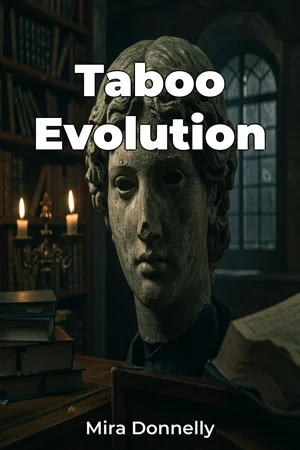
Why do certain sexual acts, desires, or representations become forbidden, and what power dynamics shape these prohibitions across time and cultures? "Taboo Evolution" delves into the intricate history of sexual taboos, examining how they have molded public discourse, limited publishing, and influenced social norms from antiquity to the present day. This book is crucial because understanding the evolution of these taboos allows us to critically analyze contemporary debates surrounding sexuality, censorship, and freedom of expression. We navigate this complex landscape by exploring three key areas. First, we examine the historical construction of sexual taboos, tracing their origins in religious doctrines, legal codes, and philosophical thought. Second, we analyze how these taboos have been enforced and challenged through various forms of public discourse, from literature and art to scientific research and political activism. Finally, we investigate the impact of these taboos on publishing limits, exploring how censorship laws and social pressures have shaped the availability and accessibility of sexually explicit or controversial materials. This book argues that sexual taboos are not static or universal but are constantly evolving in response to social, political, and technological changes. Understanding this dynamic process is essential for fostering more inclusive and informed discussions about sexuality and its role in society. The book unfolds in a structured manner. We begin by defining key concepts such as taboo, sexuality, and censorship, providing a framework for understanding the historical development of sexual prohibitions. We then delve into specific case studies, examining how taboos have been constructed and enforced in different historical periods and cultural contexts. Major points include an analysis of the role of religion in shaping early sexual taboos, an exploration of the impact of the printing press on the dissemination of sexually explicit materials, and an examination of the challenges faced by LGBTQ+ activists in challenging discriminatory laws and social norms. The argument culminates in an assessment of the current state of sexual taboos in the digital age, considering the impact of the internet and social media on the production and consumption of sexually explicit content. Finally, we consider the implications of our findings for contemporary debates about censorship, freedom of expression, and sexual rights. The evidence presented in "Taboo Evolution" draws on a wide range of sources, including historical documents, legal records, literary texts, and sociological studies. We also incorporate data from content analysis of censored materials and interviews with individuals who have been directly affected by sexual taboos. This book bridges history, sociology, and media studies to provide a comprehensive understanding of the evolution of sexual taboos. By examining the historical roots of these prohibitions, we shed light on their social and cultural significance and their ongoing impact on contemporary society. What sets this book apart is its focus on the dynamic interplay between power, discourse, and technology in shaping sexual taboos. We challenge traditional notions of taboo as simply irrational prohibitions, arguing that they are often strategically employed to maintain social hierarchies and control bodies and behaviors. The writing style is academic yet accessible, aiming to engage a broad audience of students, scholars, and anyone interested in the history of sexuality and censorship. We strive to present complex ideas in a clear and concise manner, avoiding jargon and providing concrete examples to illustrate key concepts. The book is intended for students and researchers in social sciences and history, legal scholars, and general readers. "Taboo Evolution" focuses primarily on Western societies, while acknowledging the need for further research on the evolution of sexual taboos in non-Western contexts. The book examines the evolution of sexual taboos and their effects on public discourse, censorship, and cultural norms primarily in Western societies from ancient times to the present. The insights provided in this book can be applied to a wide range of practical contexts, including policy debates about censorship and freedom of expression, educational programs on sexuality and relationships, and advocacy efforts to promote sexual rights and equality. The book addresses ongoing controversies about the role of the state in regulating sexuality, the limits of free speech, and the relationship between sexual expression and gender equality. By providing a historical and theoretical framework for understanding these debates, we aim to promote more informed and nuanced discussions about these important issues.
Why do certain sexual acts, desires, or representations become forbidden, and what power dynamics shape these prohibitions across time and cultures? "Taboo Evolution" delves into the intricate history of sexual taboos, examining how they have molded public discourse, limited publishing, and influenced social norms from antiquity to the present day. This book is crucial because understanding the evolution of these taboos allows us to critically analyze contemporary debates surrounding sexuality, censorship, and freedom of expression. We navigate this complex landscape by exploring three key areas. First, we examine the historical construction of sexual taboos, tracing their origins in religious doctrines, legal codes, and philosophical thought. Second, we analyze how these taboos have been enforced and challenged through various forms of public discourse, from literature and art to scientific research and political activism. Finally, we investigate the impact of these taboos on publishing limits, exploring how censorship laws and social pressures have shaped the availability and accessibility of sexually explicit or controversial materials. This book argues that sexual taboos are not static or universal but are constantly evolving in response to social, political, and technological changes. Understanding this dynamic process is essential for fostering more inclusive and informed discussions about sexuality and its role in society. The book unfolds in a structured manner. We begin by defining key concepts such as taboo, sexuality, and censorship, providing a framework for understanding the historical development of sexual prohibitions. We then delve into specific case studies, examining how taboos have been constructed and enforced in different historical periods and cultural contexts. Major points include an analysis of the role of religion in shaping early sexual taboos, an exploration of the impact of the printing press on the dissemination of sexually explicit materials, and an examination of the challenges faced by LGBTQ+ activists in challenging discriminatory laws and social norms. The argument culminates in an assessment of the current state of sexual taboos in the digital age, considering the impact of the internet and social media on the production and consumption of sexually explicit content. Finally, we consider the implications of our findings for contemporary debates about censorship, freedom of expression, and sexual rights. The evidence presented in "Taboo Evolution" draws on a wide range of sources, including historical documents, legal records, literary texts, and sociological studies. We also incorporate data from content analysis of censored materials and interviews with individuals who have been directly affected by sexual taboos. This book bridges history, sociology, and media studies to provide a comprehensive understanding of the evolution of sexual taboos. By examining the historical roots of these prohibitions, we shed light on their social and cultural significance and their ongoing impact on contemporary society. What sets this book apart is its focus on the dynamic interplay between power, discourse, and technology in shaping sexual taboos. We challenge traditional notions of taboo as simply irrational prohibitions, arguing that they are often strategically employed to maintain social hierarchies and control bodies and behaviors. The writing style is academic yet accessible, aiming to engage a broad audience of students, scholars, and anyone interested in the history of sexuality and censorship. We strive to present complex ideas in a clear and concise manner, avoiding jargon and providing concrete examples to illustrate key concepts. The book is intended for students and researchers in social sciences and history, legal scholars, and general readers. "Taboo Evolution" focuses primarily on Western societies, while acknowledging the need for further research on the evolution of sexual taboos in non-Western contexts. The book examines the evolution of sexual taboos and their effects on public discourse, censorship, and cultural norms primarily in Western societies from ancient times to the present. The insights provided in this book can be applied to a wide range of practical contexts, including policy debates about censorship and freedom of expression, educational programs on sexuality and relationships, and advocacy efforts to promote sexual rights and equality. The book addresses ongoing controversies about the role of the state in regulating sexuality, the limits of free speech, and the relationship between sexual expression and gender equality. By providing a historical and theoretical framework for understanding these debates, we aim to promote more informed and nuanced discussions about these important issues.
"Taboo Evolution" explores the ever-changing landscape of sexual taboos, revealing how these prohibitions have historically molded public discourse and shaped social norms. The book delves into the origins of these taboos, tracing them back to religious doctrines, legal codes, and philosophical thought, emphasizing that these aren't static rules but evolve with social, political, and technological changes. For example, the printing press had a profound impact on the dissemination of sexually explicit materials, further shaping the evolution of censorship. This study uniquely bridges history, sociology, and media studies to give a comprehensive look at the evolution of sexual taboos in Western societies. It looks at how these restrictions are reinforced and challenged through literature, art, scientific research, and political activism. The book begins by defining key terms such as taboo, sexuality, and censorship. It then examines specific case studies across different historical periods and cultural contexts, culminating in an assessment of the current state of sexual taboos in the digital age, considering the impact of the internet and social media.
Book Details
ISBN
9788235292469
Publisher
Publifye AS
Your Licenses
You don't own any licenses for this book
Purchase a license below to unlock this book and download the EPUB.
Purchase License
Select a tier to unlock this book
Need bulk licensing?
Contact us for enterprise agreements.