
About This Book
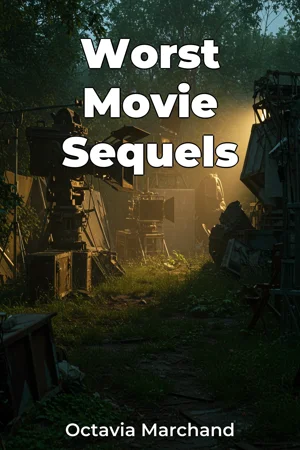
Why do some sequels crash and burn, leaving a stain on the legacy of their beloved predecessors? This book, "Worst Movie Sequels," delves into the cinematic abyss to dissect those follow-ups that not only failed to capture the magic of the original films but actively diminished their reputation. We will explore the critical elements that contribute to a sequel's downfall: creative bankruptcy, misinterpretation of source material, and audience expectation mismanagement. Understanding these pitfalls is crucial for filmmakers, film students, and anyone interested in the art and business of cinema, providing insights into how to avoid repeating these costly mistakes. The book's central argument is that a successful sequel must strike a delicate balance between honoring the essence of the original film and forging its own identity. This requires a deep understanding of what resonated with audiences in the first place, coupled with the courage to take calculated risks and explore new narrative avenues. Conversely, sequels that simply rehash familiar tropes or stray too far from the established world risk alienating fans and tarnishing the franchise's overall image. "Worst Movie Sequels" is structured to systematically analyze this phenomenon. The introduction lays the groundwork by defining the concept of a "bad" sequel and establishing the criteria for evaluation, considering box office performance, critical reception, and long-term cultural impact. The following sections are organized thematically, each focusing on a specific type of sequel failure. One section examines instances of creative bankruptcy, where sequels recycle plotlines, characters, and visual styles to diminishing returns. Another section explores sequels that fundamentally misunderstand the appeal of the original film, often resulting in bizarre tonal shifts or character assassinations. A third analyzes cases where inflated budgets and studio interference led to compromised creative visions and ultimately, disappointing films. The book culminates with a discussion of lessons learned, offering practical guidelines for filmmakers seeking to navigate the treacherous waters of sequel production. The evidence presented is drawn from a comprehensive analysis of film reviews, box office data, and behind-the-scenes accounts from filmmakers and actors. We will explore the creative decisions, or missteps, that led to these failures, supported by quotes, anecdotes, and comparative analyses of the original films and their sequels. This book connects to fields such as business, exploring the financial risks and rewards of sequels; psychology, examining audience expectations and reactions; and cultural studies, analyzing the impact of these films on popular culture. Our approach is unique in its focus on dissecting failures rather than celebrating successes. By understanding what went wrong, we can gain valuable insights into what it takes to create a truly worthwhile sequel. The tone is analytical and accessible, aiming to inform and entertain while remaining grounded in factual evidence. The target audience includes film students, aspiring filmmakers, film critics, and general movie enthusiasts. It would be valuable to them as it provides a critical framework for understanding the complexities of sequel production and the factors that contribute to both success and failure. As a non-fiction exploration within the 'Art, Film & Television' genre, the book seeks to provide a detailed and insightful overview of cinematic failures, adhering to the conventions of rigorous research and objective analysis. The scope is limited to commercially released sequels and does not delve into independent or experimental films. The information presented can be applied by readers seeking to understand the dynamics of the film industry, evaluate the merits of specific sequels, or avoid the pitfalls of sequel production. While the definition of a "bad" sequel is inherently subjective, the book acknowledges and addresses the ongoing debates surrounding the merits of different films, presenting a balanced perspective that considers multiple viewpoints.
Why do some sequels crash and burn, leaving a stain on the legacy of their beloved predecessors? This book, "Worst Movie Sequels," delves into the cinematic abyss to dissect those follow-ups that not only failed to capture the magic of the original films but actively diminished their reputation. We will explore the critical elements that contribute to a sequel's downfall: creative bankruptcy, misinterpretation of source material, and audience expectation mismanagement. Understanding these pitfalls is crucial for filmmakers, film students, and anyone interested in the art and business of cinema, providing insights into how to avoid repeating these costly mistakes. The book's central argument is that a successful sequel must strike a delicate balance between honoring the essence of the original film and forging its own identity. This requires a deep understanding of what resonated with audiences in the first place, coupled with the courage to take calculated risks and explore new narrative avenues. Conversely, sequels that simply rehash familiar tropes or stray too far from the established world risk alienating fans and tarnishing the franchise's overall image. "Worst Movie Sequels" is structured to systematically analyze this phenomenon. The introduction lays the groundwork by defining the concept of a "bad" sequel and establishing the criteria for evaluation, considering box office performance, critical reception, and long-term cultural impact. The following sections are organized thematically, each focusing on a specific type of sequel failure. One section examines instances of creative bankruptcy, where sequels recycle plotlines, characters, and visual styles to diminishing returns. Another section explores sequels that fundamentally misunderstand the appeal of the original film, often resulting in bizarre tonal shifts or character assassinations. A third analyzes cases where inflated budgets and studio interference led to compromised creative visions and ultimately, disappointing films. The book culminates with a discussion of lessons learned, offering practical guidelines for filmmakers seeking to navigate the treacherous waters of sequel production. The evidence presented is drawn from a comprehensive analysis of film reviews, box office data, and behind-the-scenes accounts from filmmakers and actors. We will explore the creative decisions, or missteps, that led to these failures, supported by quotes, anecdotes, and comparative analyses of the original films and their sequels. This book connects to fields such as business, exploring the financial risks and rewards of sequels; psychology, examining audience expectations and reactions; and cultural studies, analyzing the impact of these films on popular culture. Our approach is unique in its focus on dissecting failures rather than celebrating successes. By understanding what went wrong, we can gain valuable insights into what it takes to create a truly worthwhile sequel. The tone is analytical and accessible, aiming to inform and entertain while remaining grounded in factual evidence. The target audience includes film students, aspiring filmmakers, film critics, and general movie enthusiasts. It would be valuable to them as it provides a critical framework for understanding the complexities of sequel production and the factors that contribute to both success and failure. As a non-fiction exploration within the 'Art, Film & Television' genre, the book seeks to provide a detailed and insightful overview of cinematic failures, adhering to the conventions of rigorous research and objective analysis. The scope is limited to commercially released sequels and does not delve into independent or experimental films. The information presented can be applied by readers seeking to understand the dynamics of the film industry, evaluate the merits of specific sequels, or avoid the pitfalls of sequel production. While the definition of a "bad" sequel is inherently subjective, the book acknowledges and addresses the ongoing debates surrounding the merits of different films, presenting a balanced perspective that considers multiple viewpoints.
"Worst Movie Sequels" investigates why some film sequels fail spectacularly, damaging the legacy of the original movies. Delving into creative bankruptcy and mismanagement of audience expectations, the book analyzes what makes a sequel fall short. For instance, some sequels repeat plotlines to diminishing returns, while others fundamentally misunderstand the original's appeal, leading to bizarre tonal shifts. The book argues that successful sequels must balance honoring the original film's essence with establishing their own identity. Using film reviews, box office data, and behind-the-scenes accounts, "Worst Movie Sequels" explores the decisions that led to these failures. By dissecting these cinematic missteps, readers gain valuable insights into avoiding common pitfalls in filmmaking. Organized thematically, each section focuses on a specific type of sequel failure, such as creative bankruptcy or studio interference. The book progresses from establishing evaluation criteria to analyzing specific failures and finally offering practical guidelines for filmmakers. This approach provides a comprehensive understanding of the complexities of sequel production.
Book Details
ISBN
9788235292285
Publisher
Publifye AS
Your Licenses
You don't own any licenses for this book
Purchase a license below to unlock this book and download the EPUB.
Purchase License
Select a tier to unlock this book
Need bulk licensing?
Contact us for enterprise agreements.