
About This Book
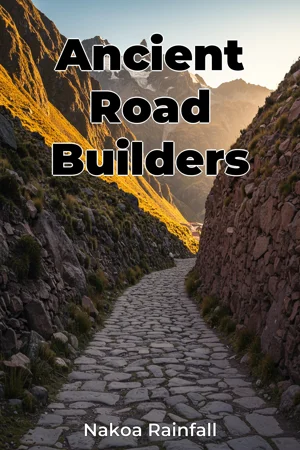
How did the unpaved paths of antiquity evolve into the sophisticated road networks that empires relied upon? "Ancient Road Builders" delves into the history and technology behind the construction of roads by early civilizations, examining their profound impact on trade, communication, and the very fabric of ancient societies. This book explores not only the 'how' of ancient road construction but also the 'why,' revealing the strategic, economic, and social imperatives that drove these massive undertakings. The core of this book is built upon three key areas: the materials and methods employed in road construction by different civilizations, the economic and social consequences of these road systems, and the lasting engineering legacy of ancient road builders. Understanding these aspects is crucial because roads were not merely physical infrastructure; they were arteries of empire, facilitating trade, military movement, and cultural exchange. With a foundation in archaeological findings, historical texts, and engineering principles, "Ancient Road Builders" pieces together a comprehensive understanding of ancient road construction. We begin by exploring the initial development of roadways from simple tracks to more structured paths, setting the stage for examining specific civilizations. The book examines the road-building techniques of several key societies, including the Romans, Persians, and the Inca. The Roman chapter details the meticulously engineered Roman roads, utilizing materials like gravel, stone, and concrete, as well as the specific methods used for surveying and layering the roads. The Persian portion discusses the Royal Road and its impact on communication and control across their vast empire, emphasizing the use of relay stations and security measures. Finally, the Inca road system highlights the engineering challenges posed by mountainous terrain and the innovative solutions developed, such as suspension bridges and stepped pathways. The book argues that the construction and maintenance of extensive road networks were critical factors in the rise and endurance of ancient empires. These roads allowed for efficient resource distribution, rapid troop deployment, and the integration of diverse populations, contributing directly to economic prosperity and political stability. "Ancient Road Builders" draws upon a wide range of evidence, from archaeological excavations revealing road construction techniques to ancient texts documenting their use and impact. It uses a comparative approach, analyzing various road systems to identify common challenges and unique solutions across different cultures and time periods. This book connects to fields such as archaeology, ancient history, and civil engineering, offering insights into the ingenuity and resourcefulness of ancient societies. It also touches upon economics and sociology, examining the societal impacts of improved transportation and connectivity. What sets this book apart is its interdisciplinary approach, combining historical analysis with engineering insights to provide a complete picture of ancient road construction. It offers a perspective that integrates the practical aspects of building roads with the broader social and political contexts in which they were built. Written in a clear and accessible style, "Ancient Road Builders" is aimed at anyone with an interest in history, archaeology, or engineering. It offers value to students, researchers, and general readers seeking a deeper understanding of the ancient world and its enduring legacy. As a non-fiction work, the book adheres to principles of accuracy and objectivity, presenting evidence-based arguments and acknowledging different interpretations where they exist. The scope of this book is limited to pre-modern road networks, focusing on the challenges and innovations of ancient civilizations. The book is designed to allow readers to apply this knowledge to modern problems in infrastructure development, urban planning, and even logistics. By studying ancient solutions, we can gain valuable insights into sustainable and resilient infrastructure design. While this book aims to present a comprehensive view of ancient road building, significant gaps in our knowledge remain, particularly regarding the specific techniques used by some cultures. Furthermore, the interpretation of archaeological evidence is subject to ongoing debate and revision.
How did the unpaved paths of antiquity evolve into the sophisticated road networks that empires relied upon? "Ancient Road Builders" delves into the history and technology behind the construction of roads by early civilizations, examining their profound impact on trade, communication, and the very fabric of ancient societies. This book explores not only the 'how' of ancient road construction but also the 'why,' revealing the strategic, economic, and social imperatives that drove these massive undertakings. The core of this book is built upon three key areas: the materials and methods employed in road construction by different civilizations, the economic and social consequences of these road systems, and the lasting engineering legacy of ancient road builders. Understanding these aspects is crucial because roads were not merely physical infrastructure; they were arteries of empire, facilitating trade, military movement, and cultural exchange. With a foundation in archaeological findings, historical texts, and engineering principles, "Ancient Road Builders" pieces together a comprehensive understanding of ancient road construction. We begin by exploring the initial development of roadways from simple tracks to more structured paths, setting the stage for examining specific civilizations. The book examines the road-building techniques of several key societies, including the Romans, Persians, and the Inca. The Roman chapter details the meticulously engineered Roman roads, utilizing materials like gravel, stone, and concrete, as well as the specific methods used for surveying and layering the roads. The Persian portion discusses the Royal Road and its impact on communication and control across their vast empire, emphasizing the use of relay stations and security measures. Finally, the Inca road system highlights the engineering challenges posed by mountainous terrain and the innovative solutions developed, such as suspension bridges and stepped pathways. The book argues that the construction and maintenance of extensive road networks were critical factors in the rise and endurance of ancient empires. These roads allowed for efficient resource distribution, rapid troop deployment, and the integration of diverse populations, contributing directly to economic prosperity and political stability. "Ancient Road Builders" draws upon a wide range of evidence, from archaeological excavations revealing road construction techniques to ancient texts documenting their use and impact. It uses a comparative approach, analyzing various road systems to identify common challenges and unique solutions across different cultures and time periods. This book connects to fields such as archaeology, ancient history, and civil engineering, offering insights into the ingenuity and resourcefulness of ancient societies. It also touches upon economics and sociology, examining the societal impacts of improved transportation and connectivity. What sets this book apart is its interdisciplinary approach, combining historical analysis with engineering insights to provide a complete picture of ancient road construction. It offers a perspective that integrates the practical aspects of building roads with the broader social and political contexts in which they were built. Written in a clear and accessible style, "Ancient Road Builders" is aimed at anyone with an interest in history, archaeology, or engineering. It offers value to students, researchers, and general readers seeking a deeper understanding of the ancient world and its enduring legacy. As a non-fiction work, the book adheres to principles of accuracy and objectivity, presenting evidence-based arguments and acknowledging different interpretations where they exist. The scope of this book is limited to pre-modern road networks, focusing on the challenges and innovations of ancient civilizations. The book is designed to allow readers to apply this knowledge to modern problems in infrastructure development, urban planning, and even logistics. By studying ancient solutions, we can gain valuable insights into sustainable and resilient infrastructure design. While this book aims to present a comprehensive view of ancient road building, significant gaps in our knowledge remain, particularly regarding the specific techniques used by some cultures. Furthermore, the interpretation of archaeological evidence is subject to ongoing debate and revision.
"Ancient Road Builders" explores the fascinating history and technology behind the construction of roads in ancient civilizations, revealing their crucial role in shaping societies. These ancient road networks were more than just pathways; they served as vital arteries for trade, communication, and military movements, profoundly impacting the economic prosperity and political stability of empires. For example, the meticulously engineered Roman roads, built with gravel, stone, and concrete, showcase advanced surveying and layering techniques. Similarly, the Persian Royal Road facilitated communication and control through its relay stations and security measures. The book examines road-building techniques across diverse cultures, including the Romans, Persians, and Inca, highlighting the unique challenges and innovative solutions each civilization developed. Whether it was the Inca's response to mountainous terrain with suspension bridges or the strategic importance of the Persian Royal Road, the book demonstrates how infrastructure directly influenced the rise and endurance of ancient empires. By combining archaeological findings, historical texts, and engineering principles, "Ancient Road Builders" provides a comprehensive understanding of ancient road construction, progressing from the initial development of roadways to the detailed examination of specific civilizations and their lasting engineering legacies.
Book Details
ISBN
9788235292216
Publisher
Publifye AS
Your Licenses
You don't own any licenses for this book
Purchase a license below to unlock this book and download the EPUB.
Purchase License
Select a tier to unlock this book
Need bulk licensing?
Contact us for enterprise agreements.