
About This Book
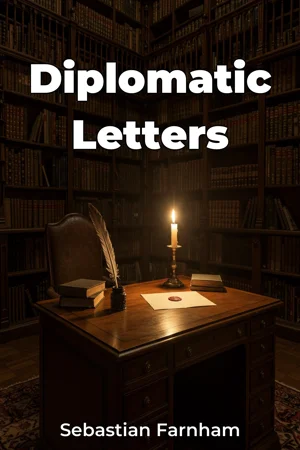
How often do the carefully crafted words exchanged in private determine the fate of nations? *Diplomatic Letters* explores the intricate web of communication between rulers, ambassadors, and influential leaders to reveal the pivotal role these exchanges played in shaping historical events, forging alliances, and influencing global politics. This book delves into the world of statecraft, illuminating how written correspondence served as a crucial instrument of diplomacy during pivotal moments in history. Two key topics form the foundation of this exploration: the art of negotiation through correspondence and the impact of personal relationships on international relations. Understanding the nuances of diplomatic language and the strategies employed in these letters is essential for grasping the underlying dynamics of international affairs. Furthermore, the book emphasizes the significance of personal connections between leaders, demonstrating how these relationships, cultivated through letter writing, could either strengthen or undermine international cooperation. To provide context, the book draws upon a wide range of historical periods, from the age of empires to the modern era, examining diplomatic exchanges during times of peace, war, and significant political upheaval. Understanding these periods is key to appreciating the power and limitations of diplomatic correspondence. The central argument of *Diplomatic Letters* is that diplomatic letters are not merely historical artifacts but powerful tools that directly shaped pivotal decisions and actions of leaders, influencing the course of history. By examining the context, language, and subtext of these letters, we gain a deeper understanding of the motivations, strategies, and relationships that drove international politics. The book begins by introducing the core concepts of diplomatic communication, including the evolution of diplomatic language, the role of intermediaries, and the impact of technological advancements on correspondence. It then develops these ideas through three major sections. The first section analyzes specific historical events, showcasing how exchanges of letters influenced outcomes such as treaty negotiations, the formation of alliances, and the resolution of conflicts. The second section focuses on key figures in diplomatic history, examining their correspondence to better understand their strategies and how they personally navigated complex international relations. The third section looks at the ethical considerations present in diplomatic correspondence, exploring issues of deception, propaganda, and the balance between national interest and global responsibility. The book culminates by discussing the implications of these historical insights for contemporary diplomacy and international relations, highlighting the continued relevance of effective communication in a complex global landscape. *Diplomatic Letters* presents a wealth of primary source material, including excerpts from original letters, diplomatic dispatches, and personal correspondence. The book draws upon archival research, historical documents, and scholarly analyses to support its arguments. This includes material from national archives, private collections, and previously untranslated documents, offering fresh perspectives on well-known events. The book connects to fields such as political science, international relations, and communication studies. By analyzing the intersection of these disciplines, the book offers a more complete and comprehensive understanding of the role of diplomatic letters in shaping world events. It also connects with the study of rhetoric and persuasive writing, as diplomatic letters often contain carefully constructed arguments aimed at influencing the recipient's views or actions. *Diplomatic Letters* offers a unique perspective by focusing specifically on the content and impact of written correspondence rather than broader political or military strategies. This narrow focus allows for a deeper analysis of the nuances of diplomatic communication and its impact on historical outcomes. The tone is primarily academic, yet accessible to a broad audience interested in history and political science. The writing style prioritizes clarity and precision, ensuring that complex ideas are presented in a straightforward and engaging manner. The intended readership includes students of history, political science, and international relations, as well as anyone interested in the art of diplomacy and the forces that have shaped the modern world. Readers will find value in the book's insightful analysis of primary source material and its fresh perspective on familiar historical events. As a work of non-fiction, *Diplomatic Letters* adheres to the accepted standards of historical research and academic rigor. All sources are properly cited, and the interpretations presented are supported by credible evidence. The scope of the book is limited to the study of written correspondence between diplomats and leaders. It does not delve into other forms of diplomatic communication, such as face-to-face negotiations or public speeches. The information presented in *Diplomatic Letters* can be applied to various real-world scenarios, including international business negotiations, conflict resolution, and strategic communication. Understanding the principles of effective diplomatic correspondence can help individuals and organizations navigate complex interactions and achieve their desired outcomes. It also offers valuable insights into the nature of power, influence, and persuasion in international affairs. *Diplomatic Letters* addresses ongoing debates surrounding the role of personal relationships in international relations, exploring the tension between national interests and individual alliances. It also touches upon controversies related to the ethics of diplomatic communication, such as the use of deception or propaganda for political gain.
How often do the carefully crafted words exchanged in private determine the fate of nations? *Diplomatic Letters* explores the intricate web of communication between rulers, ambassadors, and influential leaders to reveal the pivotal role these exchanges played in shaping historical events, forging alliances, and influencing global politics. This book delves into the world of statecraft, illuminating how written correspondence served as a crucial instrument of diplomacy during pivotal moments in history. Two key topics form the foundation of this exploration: the art of negotiation through correspondence and the impact of personal relationships on international relations. Understanding the nuances of diplomatic language and the strategies employed in these letters is essential for grasping the underlying dynamics of international affairs. Furthermore, the book emphasizes the significance of personal connections between leaders, demonstrating how these relationships, cultivated through letter writing, could either strengthen or undermine international cooperation. To provide context, the book draws upon a wide range of historical periods, from the age of empires to the modern era, examining diplomatic exchanges during times of peace, war, and significant political upheaval. Understanding these periods is key to appreciating the power and limitations of diplomatic correspondence. The central argument of *Diplomatic Letters* is that diplomatic letters are not merely historical artifacts but powerful tools that directly shaped pivotal decisions and actions of leaders, influencing the course of history. By examining the context, language, and subtext of these letters, we gain a deeper understanding of the motivations, strategies, and relationships that drove international politics. The book begins by introducing the core concepts of diplomatic communication, including the evolution of diplomatic language, the role of intermediaries, and the impact of technological advancements on correspondence. It then develops these ideas through three major sections. The first section analyzes specific historical events, showcasing how exchanges of letters influenced outcomes such as treaty negotiations, the formation of alliances, and the resolution of conflicts. The second section focuses on key figures in diplomatic history, examining their correspondence to better understand their strategies and how they personally navigated complex international relations. The third section looks at the ethical considerations present in diplomatic correspondence, exploring issues of deception, propaganda, and the balance between national interest and global responsibility. The book culminates by discussing the implications of these historical insights for contemporary diplomacy and international relations, highlighting the continued relevance of effective communication in a complex global landscape. *Diplomatic Letters* presents a wealth of primary source material, including excerpts from original letters, diplomatic dispatches, and personal correspondence. The book draws upon archival research, historical documents, and scholarly analyses to support its arguments. This includes material from national archives, private collections, and previously untranslated documents, offering fresh perspectives on well-known events. The book connects to fields such as political science, international relations, and communication studies. By analyzing the intersection of these disciplines, the book offers a more complete and comprehensive understanding of the role of diplomatic letters in shaping world events. It also connects with the study of rhetoric and persuasive writing, as diplomatic letters often contain carefully constructed arguments aimed at influencing the recipient's views or actions. *Diplomatic Letters* offers a unique perspective by focusing specifically on the content and impact of written correspondence rather than broader political or military strategies. This narrow focus allows for a deeper analysis of the nuances of diplomatic communication and its impact on historical outcomes. The tone is primarily academic, yet accessible to a broad audience interested in history and political science. The writing style prioritizes clarity and precision, ensuring that complex ideas are presented in a straightforward and engaging manner. The intended readership includes students of history, political science, and international relations, as well as anyone interested in the art of diplomacy and the forces that have shaped the modern world. Readers will find value in the book's insightful analysis of primary source material and its fresh perspective on familiar historical events. As a work of non-fiction, *Diplomatic Letters* adheres to the accepted standards of historical research and academic rigor. All sources are properly cited, and the interpretations presented are supported by credible evidence. The scope of the book is limited to the study of written correspondence between diplomats and leaders. It does not delve into other forms of diplomatic communication, such as face-to-face negotiations or public speeches. The information presented in *Diplomatic Letters* can be applied to various real-world scenarios, including international business negotiations, conflict resolution, and strategic communication. Understanding the principles of effective diplomatic correspondence can help individuals and organizations navigate complex interactions and achieve their desired outcomes. It also offers valuable insights into the nature of power, influence, and persuasion in international affairs. *Diplomatic Letters* addresses ongoing debates surrounding the role of personal relationships in international relations, exploring the tension between national interests and individual alliances. It also touches upon controversies related to the ethics of diplomatic communication, such as the use of deception or propaganda for political gain.
"Diplomatic Letters" explores the crucial role of written correspondence in shaping international relations and pivotal historical events. The book delves into how letters between rulers, ambassadors, and leaders served as instruments of diplomacy, impacting treaty negotiations, alliances, and conflict resolution. It highlights the art of negotiation through correspondence and emphasizes the significance of personal relationships, revealing that a carefully crafted letter could either strengthen or undermine international cooperation. The book progresses by first introducing core concepts of diplomatic communication, then delving into specific historical events, key figures in diplomatic history, and ethical considerations present in diplomatic correspondence. It presents a wealth of primary source material to support its arguments. By examining the context, language, and subtext of these letters, readers gain a deeper understanding of the motivations, strategies, and relationships that drove international politics.
Book Details
ISBN
9788235291820
Publisher
Publifye AS
Your Licenses
You don't own any licenses for this book
Purchase a license below to unlock this book and download the EPUB.
Purchase License
Select a tier to unlock this book
Need bulk licensing?
Contact us for enterprise agreements.