
About This Book
Are you among the millions grappling with unexplained fatigue, weight fluctuations, or mood swings? The thyroid gland, a small but crucial organ, may be the key to understanding these challenges. "Thyroid Disorder Basics" provides a comprehensive exploration of thyroid function, common disorders, and evidence-based treatments, empowering you to take control of your health. This book delves into two main areas: understanding the thyroid's role in overall health and navigating the complexities of thyroid disorders. The first section demystifies how the thyroid gland functions, explaining the intricate feedback loops that regulate hormone production and its widespread impact on metabolism, energy levels, and cognitive function. This understanding is vital because thyroid hormones influence nearly every organ system in the body. The second major focus unveils the spectrum of thyroid disorders, including hypothyroidism (underactive thyroid), hyperthyroidism (overactive thyroid), thyroid nodules, and thyroid cancer. Recognizing the distinct symptoms, diagnostic methods, and treatment options for each condition is crucial for effective management. Historically, thyroid disorders were often overlooked or misdiagnosed, leading to prolonged suffering for many individuals. Increased awareness, advanced diagnostic tools, and evolving treatment strategies have revolutionized thyroid care. This book aims to bridge the knowledge gap, providing readers with a current understanding of thyroid health and disease. It presumes a basic understanding of human anatomy and physiology, but explains complex concepts in easily understandable language. The central argument is that informed self-advocacy is paramount in managing thyroid health. By understanding the nuances of thyroid function and available treatments, individuals can actively participate in their healthcare decisions, leading to better outcomes and improved quality of life. "Thyroid Disorder Basics" is structured to guide you through a comprehensive understanding of the subject. The book begins by introducing the thyroid gland, its hormones (T3, T4, and calcitonin), and their physiologic effects. It then details the common thyroid disorders, explaining their causes, symptoms, and diagnostic procedures. Chapters explore treatment options, including medication, lifestyle adjustments, and surgical interventions, outlining the pros, cons, and potential side effects of each. The book culminates by offering practical advice on how to navigate the healthcare system, communicate effectively with doctors, and advocate for optimal thyroid care. The book draws upon peer-reviewed research, clinical guidelines from leading endocrinology organizations, and case studies to support its arguments. It includes data from large-scale epidemiological studies, shedding light on the prevalence and risk factors associated with various thyroid conditions. "Thyroid Disorder Basics" connects to other fields such as endocrinology, nutrition, and mental health. The book emphasizes the link between thyroid function and mental well-being, discussing the prevalence of anxiety and depression in individuals with thyroid disorders. The role of nutrition and specific nutrients (iodine, selenium) in thyroid health is also explored. Furthermore, the content has connections to the field of pharmacology, specifically detailing the actions and side effects of various thyroid medications. This book takes a patient-centered approach, prioritizing the reader's understanding and empowerment. It translates complex medical information into accessible language, avoiding jargon and providing clear explanations of technical concepts. The writing style is informative and supportive, encouraging readers to actively participate in their healthcare journey. The target audience includes individuals diagnosed with a thyroid disorder, those experiencing symptoms suggestive of thyroid dysfunction, and caregivers seeking information to support loved ones. It will also be valuable for healthcare professionals looking for a concise and up-to-date resource on thyroid disorders. As a work in the health & fitness genre, it aims to provide accurate and evidence-based information, promoting informed decision-making and self-management. The scope is limited to common thyroid disorders and their management, without delving into rare or highly specialized conditions. While exploring various treatment options, the book emphasizes the importance of consulting with a qualified healthcare professional for personalized medical advice. The information in "Thyroid Disorder Basics" can be applied practically by readers to improve their understanding of their condition, communicate more effectively with their healthcare providers, manage their symptoms, and make informed decisions about their treatment options. Specific lifestyle recommendations are also offered. The book also touches on controversies surrounding thyroid hormone replacement therapy, particularly with regard to the use of combination T3/T4 therapy. This discussion is not intended to provide medical advice, but rather to present a balanced overview of current debates in the field.
Are you among the millions grappling with unexplained fatigue, weight fluctuations, or mood swings? The thyroid gland, a small but crucial organ, may be the key to understanding these challenges. "Thyroid Disorder Basics" provides a comprehensive exploration of thyroid function, common disorders, and evidence-based treatments, empowering you to take control of your health. This book delves into two main areas: understanding the thyroid's role in overall health and navigating the complexities of thyroid disorders. The first section demystifies how the thyroid gland functions, explaining the intricate feedback loops that regulate hormone production and its widespread impact on metabolism, energy levels, and cognitive function. This understanding is vital because thyroid hormones influence nearly every organ system in the body. The second major focus unveils the spectrum of thyroid disorders, including hypothyroidism (underactive thyroid), hyperthyroidism (overactive thyroid), thyroid nodules, and thyroid cancer. Recognizing the distinct symptoms, diagnostic methods, and treatment options for each condition is crucial for effective management. Historically, thyroid disorders were often overlooked or misdiagnosed, leading to prolonged suffering for many individuals. Increased awareness, advanced diagnostic tools, and evolving treatment strategies have revolutionized thyroid care. This book aims to bridge the knowledge gap, providing readers with a current understanding of thyroid health and disease. It presumes a basic understanding of human anatomy and physiology, but explains complex concepts in easily understandable language. The central argument is that informed self-advocacy is paramount in managing thyroid health. By understanding the nuances of thyroid function and available treatments, individuals can actively participate in their healthcare decisions, leading to better outcomes and improved quality of life. "Thyroid Disorder Basics" is structured to guide you through a comprehensive understanding of the subject. The book begins by introducing the thyroid gland, its hormones (T3, T4, and calcitonin), and their physiologic effects. It then details the common thyroid disorders, explaining their causes, symptoms, and diagnostic procedures. Chapters explore treatment options, including medication, lifestyle adjustments, and surgical interventions, outlining the pros, cons, and potential side effects of each. The book culminates by offering practical advice on how to navigate the healthcare system, communicate effectively with doctors, and advocate for optimal thyroid care. The book draws upon peer-reviewed research, clinical guidelines from leading endocrinology organizations, and case studies to support its arguments. It includes data from large-scale epidemiological studies, shedding light on the prevalence and risk factors associated with various thyroid conditions. "Thyroid Disorder Basics" connects to other fields such as endocrinology, nutrition, and mental health. The book emphasizes the link between thyroid function and mental well-being, discussing the prevalence of anxiety and depression in individuals with thyroid disorders. The role of nutrition and specific nutrients (iodine, selenium) in thyroid health is also explored. Furthermore, the content has connections to the field of pharmacology, specifically detailing the actions and side effects of various thyroid medications. This book takes a patient-centered approach, prioritizing the reader's understanding and empowerment. It translates complex medical information into accessible language, avoiding jargon and providing clear explanations of technical concepts. The writing style is informative and supportive, encouraging readers to actively participate in their healthcare journey. The target audience includes individuals diagnosed with a thyroid disorder, those experiencing symptoms suggestive of thyroid dysfunction, and caregivers seeking information to support loved ones. It will also be valuable for healthcare professionals looking for a concise and up-to-date resource on thyroid disorders. As a work in the health & fitness genre, it aims to provide accurate and evidence-based information, promoting informed decision-making and self-management. The scope is limited to common thyroid disorders and their management, without delving into rare or highly specialized conditions. While exploring various treatment options, the book emphasizes the importance of consulting with a qualified healthcare professional for personalized medical advice. The information in "Thyroid Disorder Basics" can be applied practically by readers to improve their understanding of their condition, communicate more effectively with their healthcare providers, manage their symptoms, and make informed decisions about their treatment options. Specific lifestyle recommendations are also offered. The book also touches on controversies surrounding thyroid hormone replacement therapy, particularly with regard to the use of combination T3/T4 therapy. This discussion is not intended to provide medical advice, but rather to present a balanced overview of current debates in the field.
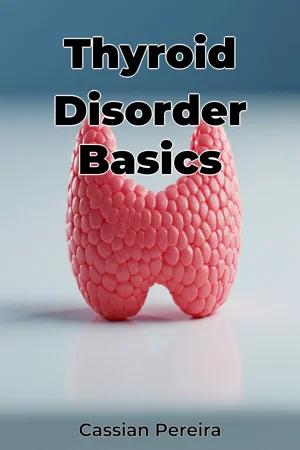
"Thyroid Disorder Basics" offers an accessible guide to understanding the thyroid gland and its crucial role in overall health, particularly concerning metabolism, energy, and cognitive function. The book explores common thyroid disorders like hypothyroidism and hyperthyroidism, detailing symptoms, diagnostic methods, and treatments. It highlights that the thyroid influences nearly every organ system, and historically, thyroid disorders were often overlooked, leading to prolonged suffering. The book presents information in clear, understandable language, emphasizing informed self-advocacy. It begins by explaining thyroid function and hormones like T3 and T4, then progresses to discussing specific disorders and their treatments, including hormone replacement therapy. It also addresses the importance of nutrition and lifestyle adjustments for thyroid health, while touching on controversies surrounding combination T3/T4 therapy. The book's strength lies in empowering readers to actively participate in their healthcare decisions. By understanding the nuances of thyroid function, readers can better navigate the healthcare system, communicate effectively with doctors, and advocate for optimal thyroid care, ultimately improving their quality of life through effective weight management and fatigue reduction.
Book Details
ISBN
9788235291707
Publisher
Publifye AS
Your Licenses
You don't own any licenses for this book
Purchase a license below to unlock this book and download the EPUB.
Purchase License
Select a tier to unlock this book
Need bulk licensing?
Contact us for enterprise agreements.