
About This Book
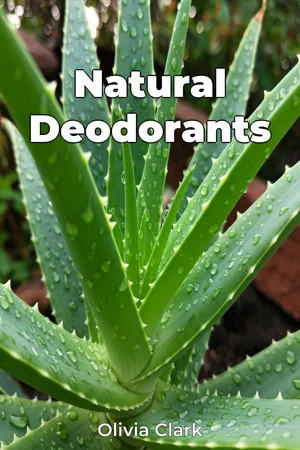
Are you concerned about the potential health risks associated with conventional deodorants and antiperspirants? This book, *Natural Deodorants*, provides a comprehensive exploration of plant-based alternatives, detailing their effectiveness in neutralizing odors and promoting skin health without the harmful chemicals found in many commercial products. We delve into the science behind these natural solutions, examining how they offer a sustainable and healthful approach to personal hygiene. This book addresses three key topics: the potential adverse health effects of chemical deodorants, the scientific basis for the efficacy of natural deodorant ingredients, and practical guidance for choosing and using natural deodorants effectively. These topics are crucial because of growing consumer awareness of the ingredients in personal care products and increasing interest in natural and organic alternatives. The book provides a historical overview of deodorant use, tracing the evolution from early practices to the modern chemical-laden products that dominate the market today. We examine the rise of concerns regarding ingredients like aluminum, parabens, and phthalates, and the research linking them to potential health issues. Readers will gain an understanding of the human body's natural processes for perspiration and odor production, setting the stage for understanding how natural deodorants can work in harmony with these processes. The central argument of *Natural Deodorants* is that plant-based deodorants offer a safe, effective, and sustainable alternative to conventional chemical deodorants. This argument is important because it challenges the common assumption that only chemical products can effectively control body odor and protect skin. We demonstrate how natural ingredients, when properly combined and formulated, can neutralize odor-causing bacteria and promote a healthy skin microbiome. The book is structured to provide a clear and logical progression of information. First, we introduce the key concepts of body odor, perspiration, and the science of conventional deodorants and antiperspirants. Next, we develop the argument for natural deodorants by examining specific ingredients like essential oils, plant extracts, and mineral salts, detailing their mechanisms of action and supporting research. We then discuss formulating natural deodorants, including considerations for different skin types and activity levels. The book culminates with practical guidance for transitioning to natural deodorants, troubleshooting common issues, and making informed purchasing decisions. Evidence and research presented in the book include scientific studies on the efficacy of specific natural ingredients in controlling odor-causing bacteria, dermatological studies on the safety and skin compatibility of natural deodorant formulations, and analyses of consumer surveys and market trends related to natural personal care products. We also draw upon ethno-botanical knowledge concerning the historical use of plants for hygiene and odor control. *Natural Deodorants* connects to several interdisciplinary fields, including biology (microbiome and skin physiology), chemistry (the study of natural compounds), and environmental science (the sustainability of ingredient sourcing and packaging). These connections enrich the book's argument by providing a holistic perspective on the topic. The book offers a unique perspective by combining scientific rigor with practical advice. It doesn't just highlight the potential problems with chemical deodorants but provides concrete solutions and actionable steps for readers to make informed choices. Written in a clear and accessible style, *Natural Deodorants* targets health-conscious consumers, individuals with sensitive skin or allergies, and those interested in natural and sustainable living. It is valuable to them as it offers a trustworthy resource for understanding and implementing natural deodorant solutions. As a non-fiction health and science book, *Natural Deodorants* provides evidence-based information and practical guidance, satisfying the expectations of readers who seek reliable and actionable advice. The scope of this book is limited to the exploration of plant-based deodorants. It does not cover antiperspirants in depth, as their primary mechanism of action (blocking sweat glands) is fundamentally different and raises separate health concerns. The real-world application of the information in this book is immediate and practical. Readers can use the knowledge gained to evaluate product labels, choose natural deodorants that suit their needs, and formulate their own DIY deodorant recipes. The book addresses a key controversy in the field: the ongoing debate about the safety of aluminum in antiperspirants and the potential link to health problems. We present a balanced overview of the current scientific evidence and the perspectives of various stakeholders.
Are you concerned about the potential health risks associated with conventional deodorants and antiperspirants? This book, *Natural Deodorants*, provides a comprehensive exploration of plant-based alternatives, detailing their effectiveness in neutralizing odors and promoting skin health without the harmful chemicals found in many commercial products. We delve into the science behind these natural solutions, examining how they offer a sustainable and healthful approach to personal hygiene. This book addresses three key topics: the potential adverse health effects of chemical deodorants, the scientific basis for the efficacy of natural deodorant ingredients, and practical guidance for choosing and using natural deodorants effectively. These topics are crucial because of growing consumer awareness of the ingredients in personal care products and increasing interest in natural and organic alternatives. The book provides a historical overview of deodorant use, tracing the evolution from early practices to the modern chemical-laden products that dominate the market today. We examine the rise of concerns regarding ingredients like aluminum, parabens, and phthalates, and the research linking them to potential health issues. Readers will gain an understanding of the human body's natural processes for perspiration and odor production, setting the stage for understanding how natural deodorants can work in harmony with these processes. The central argument of *Natural Deodorants* is that plant-based deodorants offer a safe, effective, and sustainable alternative to conventional chemical deodorants. This argument is important because it challenges the common assumption that only chemical products can effectively control body odor and protect skin. We demonstrate how natural ingredients, when properly combined and formulated, can neutralize odor-causing bacteria and promote a healthy skin microbiome. The book is structured to provide a clear and logical progression of information. First, we introduce the key concepts of body odor, perspiration, and the science of conventional deodorants and antiperspirants. Next, we develop the argument for natural deodorants by examining specific ingredients like essential oils, plant extracts, and mineral salts, detailing their mechanisms of action and supporting research. We then discuss formulating natural deodorants, including considerations for different skin types and activity levels. The book culminates with practical guidance for transitioning to natural deodorants, troubleshooting common issues, and making informed purchasing decisions. Evidence and research presented in the book include scientific studies on the efficacy of specific natural ingredients in controlling odor-causing bacteria, dermatological studies on the safety and skin compatibility of natural deodorant formulations, and analyses of consumer surveys and market trends related to natural personal care products. We also draw upon ethno-botanical knowledge concerning the historical use of plants for hygiene and odor control. *Natural Deodorants* connects to several interdisciplinary fields, including biology (microbiome and skin physiology), chemistry (the study of natural compounds), and environmental science (the sustainability of ingredient sourcing and packaging). These connections enrich the book's argument by providing a holistic perspective on the topic. The book offers a unique perspective by combining scientific rigor with practical advice. It doesn't just highlight the potential problems with chemical deodorants but provides concrete solutions and actionable steps for readers to make informed choices. Written in a clear and accessible style, *Natural Deodorants* targets health-conscious consumers, individuals with sensitive skin or allergies, and those interested in natural and sustainable living. It is valuable to them as it offers a trustworthy resource for understanding and implementing natural deodorant solutions. As a non-fiction health and science book, *Natural Deodorants* provides evidence-based information and practical guidance, satisfying the expectations of readers who seek reliable and actionable advice. The scope of this book is limited to the exploration of plant-based deodorants. It does not cover antiperspirants in depth, as their primary mechanism of action (blocking sweat glands) is fundamentally different and raises separate health concerns. The real-world application of the information in this book is immediate and practical. Readers can use the knowledge gained to evaluate product labels, choose natural deodorants that suit their needs, and formulate their own DIY deodorant recipes. The book addresses a key controversy in the field: the ongoing debate about the safety of aluminum in antiperspirants and the potential link to health problems. We present a balanced overview of the current scientific evidence and the perspectives of various stakeholders.
"Natural Deodorants" explores plant-based alternatives to conventional deodorants, focusing on their effectiveness in neutralizing odors and promoting skin health. The book examines the science behind natural ingredients, offering a sustainable approach to personal hygiene. Readers will discover how plant extracts and mineral salts can combat odor-causing bacteria without the harmful chemicals found in many commercial products. It addresses concerns about ingredients like aluminum and parabens, often linked to potential health issues, and presents a balanced view of the ongoing debate surrounding their safety. The book traces the evolution of deodorant use, from historical practices to today’s chemical-laden products. It argues that plant-based deodorants offer a safe and effective alternative, challenging the assumption that only chemical products can control body odor. With a focus on health and fitness, the title provides practical guidance for choosing and using natural deodorants, considering factors like skin type and activity levels. Structured logically, the book first introduces concepts like body odor and perspiration before delving into specific natural ingredients and their mechanisms. It progresses through formulation considerations and concludes with practical tips for transitioning to natural deodorants, troubleshooting, and making informed purchasing decisions. This approach provides a unique combination of scientific insight and actionable advice for health-conscious consumers interested in natural and sustainable living.
Book Details
ISBN
9788235291578
Publisher
Publifye AS
Your Licenses
You don't own any licenses for this book
Purchase a license below to unlock this book and download the EPUB.
Purchase License
Select a tier to unlock this book
Need bulk licensing?
Contact us for enterprise agreements.