
About This Book
Have you ever wondered if objects can hold more than just sentimental value? Can they be conduits for misfortune, their histories interwoven with tragedy and inexplicable events? "Cursed Objects Explained" delves into the unsettling world of artifacts that are believed to carry negative energy, exploring their origins, the legends surrounding them, and the potential explanations behind their sinister reputations. This book examines the core concepts of cursed objects, the psychological impact of belief, and the historical context that shapes our understanding of these phenomena. These themes are significant because they touch upon fundamental aspects of human nature: our capacity for belief, our fascination with the unknown, and our enduring quest to understand the forces that shape our lives. To fully appreciate the phenomena of cursed objects, it's important to consider the historical belief in animism, the idea that spirits inhabit objects, and the placebo and nocebo effects, psychological phenomena where belief impacts physical outcomes. Knowledge of folklore, mythology, and basic principles of psychology is beneficial to understanding the nuances of the book's content. The central argument of "Cursed Objects Explained" posits that the perception of an object as cursed is a complex interplay of historical events, psychological suggestibility, and cultural narratives. The book explores how these factors converge to imbue certain artifacts with a reputation for ill fortune, regardless of any inherent properties. This argument challenges simplistic explanations of curses and encourages a nuanced understanding of the power of belief. The book begins by introducing the central concepts of cursed objects, exploring their definitions, historical precedents, and the psychology of belief. It proceeds to examine specific case studies, such as paintings linked to disasters, furniture blamed for mysterious deaths, and jewelry associated with bad luck. Each case study dissects the object's history, the events attributed to it, and the potential rational explanations behind those events. A key chapter explores the cultural rituals and beliefs that contribute to the perception of curses. The book culminates by discussing the implications of our belief in cursed objects, exploring how this belief reflects our anxieties, shapes our behavior, and influences our understanding of causality. Evidence presented in the book draws from historical records, firsthand accounts, psychological studies, and anthropological research. Unique data sources include museum archives, private collections, and interviews with individuals who claim to have experienced the effects of cursed objects. "Cursed Objects Explained" connects to several other fields of study, including psychology, history, and anthropology. Psychological principles explain the power of suggestion and the impact of belief on perception. Historical analysis provides context for understanding the cultural beliefs that underpin the concept of curses. Anthropological perspectives shed light on the diverse ways different cultures perceive and interact with the supernatural. The book offers an innovative approach to the subject by examining cursed objects through a multidisciplinary lens, combining historical analysis, psychological insights, and cultural perspectives to provide a comprehensive and nuanced understanding. The tone of the book is informative and analytical, presenting information in a clear, concise, and engaging manner. While acknowledging the sensational aspects of the subject matter, the book maintains a skeptical and evidence-based approach. The target audience includes readers interested in history, spirituality, psychology, and the paranormal. The book is valuable to them because it offers a thought-provoking exploration of the intersection between belief, history, and human psychology. As a work of non-fiction within the genres of spirituality and history, "Cursed Objects Explained" adheres to the conventions of accuracy, objectivity, and evidence-based reasoning. While exploring supernatural beliefs, the book maintains a critical perspective and avoids promoting unsubstantiated claims. The scope of the book is limited to objects with documented histories and verifiable lore. It does not delve into purely fictional cursed objects or attempt to prove or disprove the existence of supernatural forces. The information in the book can be applied practically by readers to develop a more critical and nuanced understanding of how beliefs shape our perceptions and behaviors. It encourages readers to approach claims of the supernatural with skepticism and to evaluate evidence carefully. The existence of cursed objects is a subject of ongoing debate, with skeptical perspectives often clashing with cultural folk belief. "Cursed Objects Explained" acknowledges this debate by presenting multiple viewpoints and encouraging readers to form their own informed opinions.
Have you ever wondered if objects can hold more than just sentimental value? Can they be conduits for misfortune, their histories interwoven with tragedy and inexplicable events? "Cursed Objects Explained" delves into the unsettling world of artifacts that are believed to carry negative energy, exploring their origins, the legends surrounding them, and the potential explanations behind their sinister reputations. This book examines the core concepts of cursed objects, the psychological impact of belief, and the historical context that shapes our understanding of these phenomena. These themes are significant because they touch upon fundamental aspects of human nature: our capacity for belief, our fascination with the unknown, and our enduring quest to understand the forces that shape our lives. To fully appreciate the phenomena of cursed objects, it's important to consider the historical belief in animism, the idea that spirits inhabit objects, and the placebo and nocebo effects, psychological phenomena where belief impacts physical outcomes. Knowledge of folklore, mythology, and basic principles of psychology is beneficial to understanding the nuances of the book's content. The central argument of "Cursed Objects Explained" posits that the perception of an object as cursed is a complex interplay of historical events, psychological suggestibility, and cultural narratives. The book explores how these factors converge to imbue certain artifacts with a reputation for ill fortune, regardless of any inherent properties. This argument challenges simplistic explanations of curses and encourages a nuanced understanding of the power of belief. The book begins by introducing the central concepts of cursed objects, exploring their definitions, historical precedents, and the psychology of belief. It proceeds to examine specific case studies, such as paintings linked to disasters, furniture blamed for mysterious deaths, and jewelry associated with bad luck. Each case study dissects the object's history, the events attributed to it, and the potential rational explanations behind those events. A key chapter explores the cultural rituals and beliefs that contribute to the perception of curses. The book culminates by discussing the implications of our belief in cursed objects, exploring how this belief reflects our anxieties, shapes our behavior, and influences our understanding of causality. Evidence presented in the book draws from historical records, firsthand accounts, psychological studies, and anthropological research. Unique data sources include museum archives, private collections, and interviews with individuals who claim to have experienced the effects of cursed objects. "Cursed Objects Explained" connects to several other fields of study, including psychology, history, and anthropology. Psychological principles explain the power of suggestion and the impact of belief on perception. Historical analysis provides context for understanding the cultural beliefs that underpin the concept of curses. Anthropological perspectives shed light on the diverse ways different cultures perceive and interact with the supernatural. The book offers an innovative approach to the subject by examining cursed objects through a multidisciplinary lens, combining historical analysis, psychological insights, and cultural perspectives to provide a comprehensive and nuanced understanding. The tone of the book is informative and analytical, presenting information in a clear, concise, and engaging manner. While acknowledging the sensational aspects of the subject matter, the book maintains a skeptical and evidence-based approach. The target audience includes readers interested in history, spirituality, psychology, and the paranormal. The book is valuable to them because it offers a thought-provoking exploration of the intersection between belief, history, and human psychology. As a work of non-fiction within the genres of spirituality and history, "Cursed Objects Explained" adheres to the conventions of accuracy, objectivity, and evidence-based reasoning. While exploring supernatural beliefs, the book maintains a critical perspective and avoids promoting unsubstantiated claims. The scope of the book is limited to objects with documented histories and verifiable lore. It does not delve into purely fictional cursed objects or attempt to prove or disprove the existence of supernatural forces. The information in the book can be applied practically by readers to develop a more critical and nuanced understanding of how beliefs shape our perceptions and behaviors. It encourages readers to approach claims of the supernatural with skepticism and to evaluate evidence carefully. The existence of cursed objects is a subject of ongoing debate, with skeptical perspectives often clashing with cultural folk belief. "Cursed Objects Explained" acknowledges this debate by presenting multiple viewpoints and encouraging readers to form their own informed opinions.
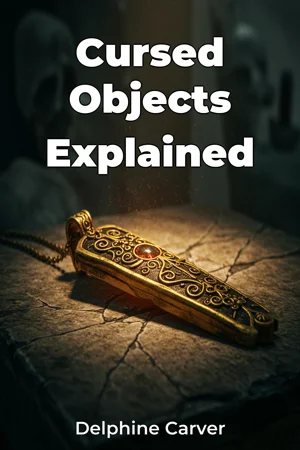
"Cursed Objects Explained" explores the captivating realm of artifacts believed to carry negative energy. It delves into the history, legends, and potential explanations behind these objects' sinister reputations. The book examines how historical events, psychological suggestibility (like the nocebo effect), and cultural narratives intertwine to instill objects with a reputation for misfortune. Did you know that the belief in animism, where spirits inhabit objects, has significantly shaped our perception of cursed items throughout history? The book begins by defining cursed objects and exploring the psychology of belief. It then presents case studies of objects like ill-fated paintings and jewelry associated with bad luck, dissecting their histories and potential rational explanations. A key chapter examines cultural rituals that contribute to curse perceptions. Ultimately, it discusses how our belief in cursed objects reflects our anxieties and influences our understanding of causality. This approach offers a multidisciplinary lens, combining historical analysis, psychological insights, and cultural perspectives to provide a comprehensive understanding of these phenomena.
Book Details
ISBN
9788235291264
Publisher
Publifye AS
Your Licenses
You don't own any licenses for this book
Purchase a license below to unlock this book and download the EPUB.
Purchase License
Select a tier to unlock this book
Need bulk licensing?
Contact us for enterprise agreements.