
About This Book
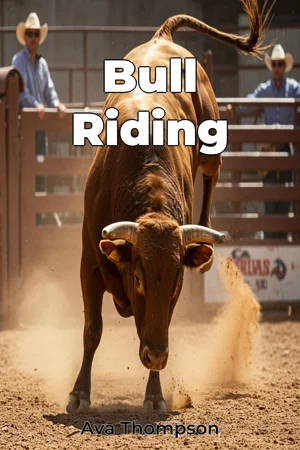
Have you ever wondered what it takes to stay on a bucking bull for eight seconds? This book, "Bull Riding," delves into the heart-pounding world of this extreme rodeo sport, exploring the intricate blend of athleticism, courage, and technique required to compete at the highest levels. We will uncover not only the physical demands but also the mental fortitude that separates successful bull riders from those who simply hold on for dear life. This book focuses on three key areas: the biomechanics of balance and movement, the equipment and its impact on performance, and the mental strategies employed by elite riders. Understanding these elements is crucial to appreciating the complexities of bull riding. Why is it that some riders appear to effortlessly anticipate the bull's movements, while others are thrown almost immediately? The answers lie in mastering these fundamental aspects of the sport. Bull riding's roots are intertwined with the history of ranching and horsemanship in the American West. Evolving from informal contests among cowboys, it has transformed into a professional sport with standardized rules and rigorous training regimes. While the basic premise remains the same – ride a bull for eight seconds – the level of skill and athleticism has increased dramatically over the years. This book assumes no prior knowledge of bull riding, providing a comprehensive introduction to the sport's history and evolution. The central argument of "Bull Riding" is that success in this demanding sport hinges on the synergy between physical prowess, technical expertise, and mental resilience. It's not enough to be strong or brave; riders must also possess a deep understanding of bull behavior, master the art of balance, and develop the mental toughness to overcome fear and adversity. This argument is vital because it moves beyond simplistic notions of bull riding as mere daredevilry, revealing the sophisticated skillset required for success. The book begins by introducing the fundamental principles of bull riding, including the rules, scoring system, and the different types of bulls encountered in competition. It then explores the biomechanics of riding, analyzing how riders maintain balance, generate power, and react to the bull's unpredictable movements. This section draws upon principles of physics and kinesiology to provide a scientific understanding of the riding process. Next, the book examines the equipment used by bull riders, from the rope and saddle to protective gear, explaining how each element contributes to safety and performance. A significant section details the mental aspects of the sport, discussing techniques for managing fear, focusing under pressure, and visualizing success. The book culminates by examining the future of bull riding, considering the challenges and opportunities facing the sport in the years to come. The evidence presented in this book is drawn from a variety of sources, including interviews with professional bull riders, analysis of competition footage, and scientific studies of human performance. Unique data is presented through interviews and insider information provided by coaches and athletes, offering insights into the training methods and mental strategies used by the sport's elite. "Bull Riding" connects to other fields such as sports psychology, biomechanics, and animal behavior. By exploring the psychological demands of the sport, the book highlights the importance of mental preparation in high-pressure situations. The analysis of riding techniques draws upon principles of physics and kinesiology, demonstrating the interplay between human movement and external forces. The discussion of bull behavior provides insights into animal ethology, revealing how riders learn to anticipate and react to the bull's actions. This book takes a unique approach by combining practical advice with scientific analysis, providing a comprehensive and accessible overview of the sport. It also attempts to demystify bull riding, presenting a balanced view that acknowledges the risks while celebrating the skill and athleticism of the riders. The tone of "Bull Riding" is informative and engaging, blending expert insights with real-world examples to create a compelling narrative. The writing style is accessible to a broad audience, avoiding technical jargon and explaining complex concepts in clear, concise language. This book is aimed at anyone with an interest in bull riding, from casual fans to aspiring riders. It will also appeal to readers interested in extreme sports, human performance, and the culture of the American West. The book offers something for everyone, providing both entertainment and valuable insights into this demanding and exciting sport. As a sports-genre book, the conventions of competition, training, and profiles of success are elements explored. The scope of this book is limited to the techniques, equipment, and strategies used in contemporary professional bull riding. It does not delve into the history of rodeo in general, or explore other rodeo events in detail. The information in this book can be applied practically by aspiring bull riders, coaches, and trainers. It provides valuable insights into the techniques and strategies used by elite riders, as well as practical advice on training, equipment selection, and mental preparation. While generally accepted, there are ongoing discussions within the bull riding community regarding rider safety, animal welfare and judging standards. This book addresses these debates, presenting different perspectives and encouraging thoughtful consideration of the issues involved.
Have you ever wondered what it takes to stay on a bucking bull for eight seconds? This book, "Bull Riding," delves into the heart-pounding world of this extreme rodeo sport, exploring the intricate blend of athleticism, courage, and technique required to compete at the highest levels. We will uncover not only the physical demands but also the mental fortitude that separates successful bull riders from those who simply hold on for dear life. This book focuses on three key areas: the biomechanics of balance and movement, the equipment and its impact on performance, and the mental strategies employed by elite riders. Understanding these elements is crucial to appreciating the complexities of bull riding. Why is it that some riders appear to effortlessly anticipate the bull's movements, while others are thrown almost immediately? The answers lie in mastering these fundamental aspects of the sport. Bull riding's roots are intertwined with the history of ranching and horsemanship in the American West. Evolving from informal contests among cowboys, it has transformed into a professional sport with standardized rules and rigorous training regimes. While the basic premise remains the same – ride a bull for eight seconds – the level of skill and athleticism has increased dramatically over the years. This book assumes no prior knowledge of bull riding, providing a comprehensive introduction to the sport's history and evolution. The central argument of "Bull Riding" is that success in this demanding sport hinges on the synergy between physical prowess, technical expertise, and mental resilience. It's not enough to be strong or brave; riders must also possess a deep understanding of bull behavior, master the art of balance, and develop the mental toughness to overcome fear and adversity. This argument is vital because it moves beyond simplistic notions of bull riding as mere daredevilry, revealing the sophisticated skillset required for success. The book begins by introducing the fundamental principles of bull riding, including the rules, scoring system, and the different types of bulls encountered in competition. It then explores the biomechanics of riding, analyzing how riders maintain balance, generate power, and react to the bull's unpredictable movements. This section draws upon principles of physics and kinesiology to provide a scientific understanding of the riding process. Next, the book examines the equipment used by bull riders, from the rope and saddle to protective gear, explaining how each element contributes to safety and performance. A significant section details the mental aspects of the sport, discussing techniques for managing fear, focusing under pressure, and visualizing success. The book culminates by examining the future of bull riding, considering the challenges and opportunities facing the sport in the years to come. The evidence presented in this book is drawn from a variety of sources, including interviews with professional bull riders, analysis of competition footage, and scientific studies of human performance. Unique data is presented through interviews and insider information provided by coaches and athletes, offering insights into the training methods and mental strategies used by the sport's elite. "Bull Riding" connects to other fields such as sports psychology, biomechanics, and animal behavior. By exploring the psychological demands of the sport, the book highlights the importance of mental preparation in high-pressure situations. The analysis of riding techniques draws upon principles of physics and kinesiology, demonstrating the interplay between human movement and external forces. The discussion of bull behavior provides insights into animal ethology, revealing how riders learn to anticipate and react to the bull's actions. This book takes a unique approach by combining practical advice with scientific analysis, providing a comprehensive and accessible overview of the sport. It also attempts to demystify bull riding, presenting a balanced view that acknowledges the risks while celebrating the skill and athleticism of the riders. The tone of "Bull Riding" is informative and engaging, blending expert insights with real-world examples to create a compelling narrative. The writing style is accessible to a broad audience, avoiding technical jargon and explaining complex concepts in clear, concise language. This book is aimed at anyone with an interest in bull riding, from casual fans to aspiring riders. It will also appeal to readers interested in extreme sports, human performance, and the culture of the American West. The book offers something for everyone, providing both entertainment and valuable insights into this demanding and exciting sport. As a sports-genre book, the conventions of competition, training, and profiles of success are elements explored. The scope of this book is limited to the techniques, equipment, and strategies used in contemporary professional bull riding. It does not delve into the history of rodeo in general, or explore other rodeo events in detail. The information in this book can be applied practically by aspiring bull riders, coaches, and trainers. It provides valuable insights into the techniques and strategies used by elite riders, as well as practical advice on training, equipment selection, and mental preparation. While generally accepted, there are ongoing discussions within the bull riding community regarding rider safety, animal welfare and judging standards. This book addresses these debates, presenting different perspectives and encouraging thoughtful consideration of the issues involved.
"Bull Riding" offers a deep dive into the exhilarating world of rodeo's most extreme sport. It meticulously explores the physical and mental demands required to stay atop a bucking bull for a seemingly brief, yet challenging, eight seconds. Uncover the fact that successful bull riders must not only possess incredible physical prowess but also a profound understanding of animal behavior and biomechanics. The book uniquely combines practical advice with scientific analysis, demystifying the actions and skills of bull riders. The book progresses methodically, starting with the fundamental rules and scoring systems before delving into the biomechanics of balance and movement. It further examines the essential equipment used, from ropes to protective gear, and dedicates significant attention to the mental strategies elite riders employ to manage fear and maintain focus under immense pressure. By offering insights into riding techniques, training methods, and competition strategies, "Bull Riding" serves as a valuable resource for fans, aspiring riders, and anyone intrigued by this captivating sport.
Book Details
ISBN
9788235290823
Publisher
Publifye AS
Your Licenses
You don't own any licenses for this book
Purchase a license below to unlock this book and download the EPUB.
Purchase License
Select a tier to unlock this book
Need bulk licensing?
Contact us for enterprise agreements.