
About This Book
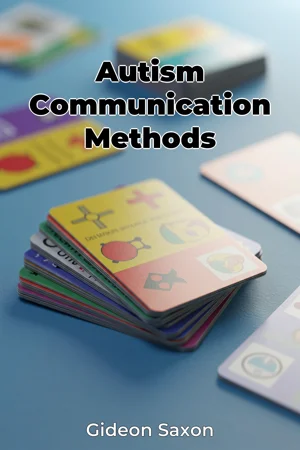
How can we bridge the communication gap for individuals on the autism spectrum, unlocking their potential and fostering deeper connections? This book, "Autism Communication Methods," delves into the diverse communication styles and examines a range of educational tools designed to empower individuals with autism spectrum disorder (ASD). The core focus is on understanding and implementing effective strategies, covering Picture Exchange Communication System (PECS) and exploring the role of digital interfaces in facilitating expressive and receptive language skills. These methods are of utmost importance as they provide practical approaches to improve social interaction, reduce frustration, and promote independence. To understand the context, it is crucial to acknowledge the varied presentations of ASD and the unique communication challenges each individual may face. Communication difficulties can manifest in several ways, affecting verbal and non-verbal skills. We will examine the history of augmentative and alternative communication (AAC) and its evolution in addressing the needs of individuals with ASD. The central argument is that a multifaceted approach, combining established methodologies like PECS with modern tools such as digital platforms, offers the most effective path toward enhancing communication skills for individuals with autism. This approach must recognize the individual strengths and needs of each person, allowing for a personalized strategy. The importance of this argument lies in its potential to improve not only communication abilities but also overall quality of life, fostering greater inclusion and reducing the barriers to education and social participation. The book's structure begins with an introduction to the core principles of communication and the specific challenges faced by individuals on the autism spectrum. Following this is a detailed examination of PECS, covering its implementation, benefits, and limitations. The next major section explores the use of digital interfaces, including apps and specialized software, in supporting communication. This segment includes chapters on selecting appropriate technologies, customizing interfaces, and integrating digital tools into educational and therapeutic settings. Finally, the book culminates in a discussion of how to combine different communication methods to create individualized support plans, detailing practical applications and implications for parents, educators, and therapists. The content is founded on research, including case studies, clinical trials, and meta-analyses of existing literature on communication interventions for ASD. It draws upon original data collected through observations and interviews with individuals with autism and their caregivers, providing unique insights into the effectiveness of various strategies. This work connects to several other fields. It draws from linguistics to understand the structure of language and communication. It integrates with education to ensure the methods align with pedagogical best practices. It also relates to assistive technology, evaluating the capabilities and limitations of different devices and software. These connections enrich the book's argument by providing a more comprehensive understanding of the factors influencing communication outcomes. The book offers an innovative viewpoint by advocating for a blended approach that integrates traditional and digital tools, adapting as required. This perspective recognizes the evolving landscape of technology and its potential to revolutionize communication support for individuals with autism. The tone is both informative and accessible, aiming to provide evidence-based guidance in a clear and empathetic manner. The writing style balances academic rigor with practical advice, focusing on real-world applications and making the information relevant to a broad audience. The target audience includes parents, educators, therapists, and anyone seeking to enhance communication skills for individuals with autism. The book is valuable to them because it provides a practical, evidence-based guide to implementing effective communication strategies. As a work in the parenting and psychology genres, the book adheres to high standards of accuracy, offering practical strategies and real-world examples. The book's scope encompasses a wide array of communication methods, but it intentionally limits its focus to evidence-based approaches that have demonstrated efficacy in supporting communication skills for individuals with autism. Many techniques are described that can be applied in the real world. For instance, parents can learn how to initiate and maintain communication exchanges with their child using PECS, improving social interaction and reducing frustration. Educators can discover how to integrate digital tools into the classroom to support language development and comprehension. Therapists can gain insights into how to tailor communication interventions to meet the unique needs of each individual. Some controversies exist in best practices for communication in autism, such as the appropriate age to begin intervention, the role of technology, and the balance with verbal prompting. The book addresses these debates by presenting different perspectives and offering guidance on making informed decisions based on individual circumstances.
How can we bridge the communication gap for individuals on the autism spectrum, unlocking their potential and fostering deeper connections? This book, "Autism Communication Methods," delves into the diverse communication styles and examines a range of educational tools designed to empower individuals with autism spectrum disorder (ASD). The core focus is on understanding and implementing effective strategies, covering Picture Exchange Communication System (PECS) and exploring the role of digital interfaces in facilitating expressive and receptive language skills. These methods are of utmost importance as they provide practical approaches to improve social interaction, reduce frustration, and promote independence. To understand the context, it is crucial to acknowledge the varied presentations of ASD and the unique communication challenges each individual may face. Communication difficulties can manifest in several ways, affecting verbal and non-verbal skills. We will examine the history of augmentative and alternative communication (AAC) and its evolution in addressing the needs of individuals with ASD. The central argument is that a multifaceted approach, combining established methodologies like PECS with modern tools such as digital platforms, offers the most effective path toward enhancing communication skills for individuals with autism. This approach must recognize the individual strengths and needs of each person, allowing for a personalized strategy. The importance of this argument lies in its potential to improve not only communication abilities but also overall quality of life, fostering greater inclusion and reducing the barriers to education and social participation. The book's structure begins with an introduction to the core principles of communication and the specific challenges faced by individuals on the autism spectrum. Following this is a detailed examination of PECS, covering its implementation, benefits, and limitations. The next major section explores the use of digital interfaces, including apps and specialized software, in supporting communication. This segment includes chapters on selecting appropriate technologies, customizing interfaces, and integrating digital tools into educational and therapeutic settings. Finally, the book culminates in a discussion of how to combine different communication methods to create individualized support plans, detailing practical applications and implications for parents, educators, and therapists. The content is founded on research, including case studies, clinical trials, and meta-analyses of existing literature on communication interventions for ASD. It draws upon original data collected through observations and interviews with individuals with autism and their caregivers, providing unique insights into the effectiveness of various strategies. This work connects to several other fields. It draws from linguistics to understand the structure of language and communication. It integrates with education to ensure the methods align with pedagogical best practices. It also relates to assistive technology, evaluating the capabilities and limitations of different devices and software. These connections enrich the book's argument by providing a more comprehensive understanding of the factors influencing communication outcomes. The book offers an innovative viewpoint by advocating for a blended approach that integrates traditional and digital tools, adapting as required. This perspective recognizes the evolving landscape of technology and its potential to revolutionize communication support for individuals with autism. The tone is both informative and accessible, aiming to provide evidence-based guidance in a clear and empathetic manner. The writing style balances academic rigor with practical advice, focusing on real-world applications and making the information relevant to a broad audience. The target audience includes parents, educators, therapists, and anyone seeking to enhance communication skills for individuals with autism. The book is valuable to them because it provides a practical, evidence-based guide to implementing effective communication strategies. As a work in the parenting and psychology genres, the book adheres to high standards of accuracy, offering practical strategies and real-world examples. The book's scope encompasses a wide array of communication methods, but it intentionally limits its focus to evidence-based approaches that have demonstrated efficacy in supporting communication skills for individuals with autism. Many techniques are described that can be applied in the real world. For instance, parents can learn how to initiate and maintain communication exchanges with their child using PECS, improving social interaction and reducing frustration. Educators can discover how to integrate digital tools into the classroom to support language development and comprehension. Therapists can gain insights into how to tailor communication interventions to meet the unique needs of each individual. Some controversies exist in best practices for communication in autism, such as the appropriate age to begin intervention, the role of technology, and the balance with verbal prompting. The book addresses these debates by presenting different perspectives and offering guidance on making informed decisions based on individual circumstances.
"Autism Communication Methods" addresses the critical need for effective communication strategies for individuals with Autism Spectrum Disorder (ASD). It explores diverse communication styles, focusing on practical tools like the Picture Exchange Communication System (PECS) and digital interfaces. The book emphasizes a multifaceted approach, arguing that combining established methods with modern technology offers the best path to enhancing communication skills. For example, the book details how PECS can help individuals initiate communication, reducing frustration and promoting independence. The book progresses from foundational principles of communication challenges experienced by individuals with ASD, to a detailed examination of PECS, and then explores digital interfaces. It also covers how to create individualized support plans. What sets this book apart is its blended approach, integrating traditional and digital tools, and its emphasis on personalized strategies tailored to individual needs. This perspective recognizes the evolving landscape of technology and its potential to revolutionize communication support. Ultimately, this Parenting and Psychology focused book provides evidence-based guidance in an accessible manner, making it a valuable resource for parents, educators, and therapists seeking to improve communication skills and foster greater inclusion for individuals with autism. Each chapter builds upon the previous, offering practical applications and insights for real-world scenarios.
Book Details
ISBN
9788235290694
Publisher
Publifye AS
Your Licenses
You don't own any licenses for this book
Purchase a license below to unlock this book and download the EPUB.
Purchase License
Select a tier to unlock this book
Need bulk licensing?
Contact us for enterprise agreements.