
About This Book
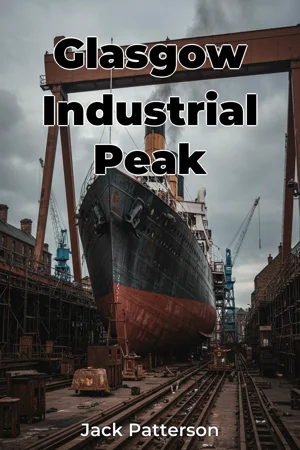
How did a Scottish city become synonymous with the might of Britain's industrial prowess? This book, 'Glasgow Industrial Peak', delves into the transformation of Glasgow into a global center for shipbuilding and engineering during the British Industrial Revolution and its subsequent dominance. We will explore the confluence of factors that elevated Glasgow, investigating the technical innovations, entrepreneurial spirit, and societal structures that fueled its rise. This is more than a local story; it is a case study in industrial development that offers lessons for understanding economic growth and technological advancement. The narrative centers on three major, interconnected themes: the evolution of shipbuilding technology on the River Clyde, the rise of pioneering engineering firms, and the social and economic impact of this industrial boom on Glasgow’s population. Each of these elements played a crucial role in establishing Glasgow as a global leader. Understanding these themes is vital for grasping not only Glasgow's history but also the broader story of industrialization's influence on global trade, technological innovation, and urban development. To understand Glasgow’s industrial ascendancy, a basic understanding of steam power, iron production, and maritime trade is helpful. Key historical context includes Britain's imperial expansion, the availability of resources like coal and iron ore in Scotland, and the role of Scottish banks in financing industrial projects. The central argument of 'Glasgow Industrial Peak' is that Glasgow's success was the result of a synergistic relationship between technological innovation, entrepreneurial ambition, and a supportive economic infrastructure. This combination created a self-sustaining cycle of growth that propelled Glasgow to the forefront of the industrial world. Understanding this dynamic is crucial for identifying strategies that promote sustainable industrial development in modern contexts. The book is structured to provide a comprehensive overview, beginning with an introduction to the geographical advantages of Glasgow and the initial conditions that set the stage for industrialization. The core of the book explores the advancements in shipbuilding, from wooden sailing ships to iron steamships, with detailed case studies of the famous Clyde shipyards. It then examines the contributions of Glasgow’s engineering firms, focusing on their innovations in locomotive manufacturing, bridge building, and other heavy industries. Finally, the book analyzes the social and economic consequences of this industrial boom, including population growth, urbanization, labor movements, and the creation of wealth. The book culminates by examining the factors that contributed to the eventual decline of Glasgow’s industrial dominance in the later 20th century, offering insights into the challenges of maintaining industrial competitiveness in a globalized economy. The arguments presented are supported by a wide range of evidence, including archival documents from shipbuilding companies, engineering firms, and government agencies. We will analyze technical drawings, financial records, and personal accounts to provide a nuanced understanding of Glasgow’s industrial development. Census data, social surveys, and newspaper articles will be used to examine the social and economic impacts of industrialization on the city’s population. This book connects to other fields such as economics, sociology, and urban planning. The economic analysis explores the role of capital investment, trade policies, and market competition in shaping Glasgow's industrial trajectory. The sociological perspective examines the impact of industrialization on social structures, class relations, and cultural identity. The urban planning lens analyzes the challenges of managing rapid population growth, infrastructure development, and environmental degradation in an industrial city. 'Glasgow Industrial Peak' offers a fresh perspective by integrating technological, economic, and social analysis to provide a holistic understanding of Glasgow's industrial history. It avoids romanticizing the past and critically examines both the achievements and the costs of industrialization. Written in a clear and accessible style, 'Glasgow Industrial Peak' is aimed at readers with an interest in industrial history, mechanical engineering, and urban development. It will appeal to students, researchers, and anyone interested in the story of how Glasgow became a major player in the industrial world. As a work of historical analysis, this book adheres to the conventions of academic rigor, with detailed citations, thorough research, and balanced interpretations. The scope of this book is limited to the period of Glasgow’s industrial peak, roughly from the mid-19th century to the mid-20th century. While it acknowledges the earlier and later periods, the focus is on the era of greatest industrial activity. The lessons learned from Glasgow’s experience can be applied to contemporary challenges in industrial development, urban planning, and economic policy. Understanding the factors that contributed to Glasgow’s success and eventual decline offers valuable insights for promoting sustainable and equitable economic growth in the 21st century. The book addresses debates surrounding the legacy of industrialization, including discussions about environmental pollution, labor exploitation, and social inequality. While celebrating the achievements of Glasgow’s engineers and entrepreneurs, it also acknowledges the negative consequences of industrial growth and the ongoing efforts to address these issues.
How did a Scottish city become synonymous with the might of Britain's industrial prowess? This book, 'Glasgow Industrial Peak', delves into the transformation of Glasgow into a global center for shipbuilding and engineering during the British Industrial Revolution and its subsequent dominance. We will explore the confluence of factors that elevated Glasgow, investigating the technical innovations, entrepreneurial spirit, and societal structures that fueled its rise. This is more than a local story; it is a case study in industrial development that offers lessons for understanding economic growth and technological advancement. The narrative centers on three major, interconnected themes: the evolution of shipbuilding technology on the River Clyde, the rise of pioneering engineering firms, and the social and economic impact of this industrial boom on Glasgow’s population. Each of these elements played a crucial role in establishing Glasgow as a global leader. Understanding these themes is vital for grasping not only Glasgow's history but also the broader story of industrialization's influence on global trade, technological innovation, and urban development. To understand Glasgow’s industrial ascendancy, a basic understanding of steam power, iron production, and maritime trade is helpful. Key historical context includes Britain's imperial expansion, the availability of resources like coal and iron ore in Scotland, and the role of Scottish banks in financing industrial projects. The central argument of 'Glasgow Industrial Peak' is that Glasgow's success was the result of a synergistic relationship between technological innovation, entrepreneurial ambition, and a supportive economic infrastructure. This combination created a self-sustaining cycle of growth that propelled Glasgow to the forefront of the industrial world. Understanding this dynamic is crucial for identifying strategies that promote sustainable industrial development in modern contexts. The book is structured to provide a comprehensive overview, beginning with an introduction to the geographical advantages of Glasgow and the initial conditions that set the stage for industrialization. The core of the book explores the advancements in shipbuilding, from wooden sailing ships to iron steamships, with detailed case studies of the famous Clyde shipyards. It then examines the contributions of Glasgow’s engineering firms, focusing on their innovations in locomotive manufacturing, bridge building, and other heavy industries. Finally, the book analyzes the social and economic consequences of this industrial boom, including population growth, urbanization, labor movements, and the creation of wealth. The book culminates by examining the factors that contributed to the eventual decline of Glasgow’s industrial dominance in the later 20th century, offering insights into the challenges of maintaining industrial competitiveness in a globalized economy. The arguments presented are supported by a wide range of evidence, including archival documents from shipbuilding companies, engineering firms, and government agencies. We will analyze technical drawings, financial records, and personal accounts to provide a nuanced understanding of Glasgow’s industrial development. Census data, social surveys, and newspaper articles will be used to examine the social and economic impacts of industrialization on the city’s population. This book connects to other fields such as economics, sociology, and urban planning. The economic analysis explores the role of capital investment, trade policies, and market competition in shaping Glasgow's industrial trajectory. The sociological perspective examines the impact of industrialization on social structures, class relations, and cultural identity. The urban planning lens analyzes the challenges of managing rapid population growth, infrastructure development, and environmental degradation in an industrial city. 'Glasgow Industrial Peak' offers a fresh perspective by integrating technological, economic, and social analysis to provide a holistic understanding of Glasgow's industrial history. It avoids romanticizing the past and critically examines both the achievements and the costs of industrialization. Written in a clear and accessible style, 'Glasgow Industrial Peak' is aimed at readers with an interest in industrial history, mechanical engineering, and urban development. It will appeal to students, researchers, and anyone interested in the story of how Glasgow became a major player in the industrial world. As a work of historical analysis, this book adheres to the conventions of academic rigor, with detailed citations, thorough research, and balanced interpretations. The scope of this book is limited to the period of Glasgow’s industrial peak, roughly from the mid-19th century to the mid-20th century. While it acknowledges the earlier and later periods, the focus is on the era of greatest industrial activity. The lessons learned from Glasgow’s experience can be applied to contemporary challenges in industrial development, urban planning, and economic policy. Understanding the factors that contributed to Glasgow’s success and eventual decline offers valuable insights for promoting sustainable and equitable economic growth in the 21st century. The book addresses debates surrounding the legacy of industrialization, including discussions about environmental pollution, labor exploitation, and social inequality. While celebrating the achievements of Glasgow’s engineers and entrepreneurs, it also acknowledges the negative consequences of industrial growth and the ongoing efforts to address these issues.
"Glasgow Industrial Peak" explores the remarkable transformation of Glasgow into a global hub for shipbuilding and mechanical engineering during the Industrial Revolution. The book examines how this Scottish city became synonymous with Britain's industrial prowess, highlighting the River Clyde's evolution in shipbuilding technology and the rise of pioneering engineering firms. It delves into the confluence of technological innovations, entrepreneurial spirit, and supportive economic structures that fueled Glasgow's ascent, making it a crucial case study for understanding industrial development and economic growth. One intriguing aspect is Glasgow's early adoption of iron steamships, revolutionizing maritime trade and setting new standards in shipbuilding. The book's approach integrates technological, economic, and social analyses to provide a holistic view of Glasgow's industrial history, avoiding romanticization and critically examining both the achievements and the costs of industrialization. The narrative progresses through the geographical advantages of Glasgow, advancements in shipbuilding and engineering, and the social and economic impacts of the industrial boom. Ultimately, it examines the city's industrial decline, offering insights into maintaining competitiveness in a globalized economy. This historical exploration connects to fields like economics, sociology, and urban planning, providing a comprehensive understanding of Glasgow's industrial legacy.
Book Details
ISBN
9788235290625
Publisher
Publifye AS
Your Licenses
You don't own any licenses for this book
Purchase a license below to unlock this book and download the EPUB.
Purchase License
Select a tier to unlock this book
Need bulk licensing?
Contact us for enterprise agreements.