
About This Book
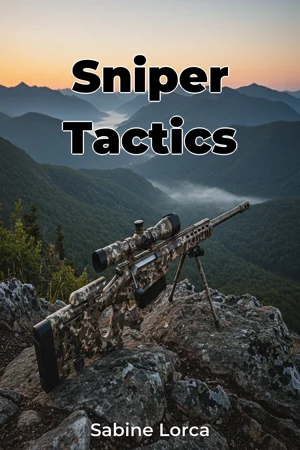
What separates a soldier from a sniper – and how has that distinction shaped the course of conflict across centuries? "Sniper Tactics" delves into the evolution of precision shooting and its profound impact on military history, exploring the techniques, technologies, and individuals that have defined this specialized form of warfare. The book examines not only the technical aspects but also the psychological dimensions of sniping, offering a comprehensive understanding of the marksman's role in modern and historical battles. This study argues that the sniper's evolving role reflects broader shifts in military strategy and technology. From early skirmishers to modern special operations forces, the development of sniper tactics mirrors advancements in firearms, optics, and communication. By tracing this evolution, "Sniper Tactics" reveals how the sniper has become an increasingly vital asset, influencing not only tactical outcomes but also strategic decision-making. The book is structured to provide both a historical overview and a detailed examination of contemporary sniper operations. It begins by exploring the early uses of sharpshooters in warfare, examining figures like the American Long Rifles during the Revolutionary War and the development of specialized units in the Napoleonic era. It analyzes the impact of technological advancements, such as the introduction of smokeless powder and telescopic sights, on the effectiveness and application of sniping. The narrative then transitions to the 20th and 21st centuries, focusing on the role of snipers in major conflicts, from World War I and World War II to the Vietnam War, the wars in Iraq and Afghanistan. It will investigate how sniper tactics have been adapted and refined in response to changing battlefield conditions and emerging threats. Supporting this analysis will be extensive research drawn from primary source accounts, military manuals, after-action reports, and interviews with snipers and military historians. The book will also incorporate technical data on firearms, ammunition, and ballistics to provide a comprehensive understanding of the equipment and skills involved. "Sniper Tactics" connects to various fields, including military history, technology studies, and psychology. Its analysis of sniper tactics provides insights into broader trends in military innovation and adaptation. By examining the psychological aspects of marksmanship, it contributes to our understanding of human performance under stress. This book adopts a balanced and analytical approach, avoiding sensationalism and focusing on factual accounts. Its tone is informative and engaging, suitable for both academic and general audiences. The intended readership includes military enthusiasts, historians, law enforcement professionals, and anyone interested in the evolution of warfare and the role of technology in shaping military outcomes. The scope of "Sniper Tactics" is limited to the historical development and tactical application of sniping. While it acknowledges the ethical considerations surrounding the use of lethal force, it does not delve into broader philosophical or moral debates. The information presented can be applied to various real-world scenarios, from military training and law enforcement operations to historical analysis and wargaming. It provides insights into the principles of precision shooting, the importance of situational awareness, and the psychological challenges of combat. The development and deployment of anti-materiel rifles and their use against lightly armored vehicles and enemy infrastructure have led to increased debate and are analyzed within the book. "Sniper Tactics" aims to provide a valuable contribution to the existing literature on military history and strategy, offering a comprehensive and insightful analysis of the evolving role of the sniper in modern warfare.
What separates a soldier from a sniper – and how has that distinction shaped the course of conflict across centuries? "Sniper Tactics" delves into the evolution of precision shooting and its profound impact on military history, exploring the techniques, technologies, and individuals that have defined this specialized form of warfare. The book examines not only the technical aspects but also the psychological dimensions of sniping, offering a comprehensive understanding of the marksman's role in modern and historical battles. This study argues that the sniper's evolving role reflects broader shifts in military strategy and technology. From early skirmishers to modern special operations forces, the development of sniper tactics mirrors advancements in firearms, optics, and communication. By tracing this evolution, "Sniper Tactics" reveals how the sniper has become an increasingly vital asset, influencing not only tactical outcomes but also strategic decision-making. The book is structured to provide both a historical overview and a detailed examination of contemporary sniper operations. It begins by exploring the early uses of sharpshooters in warfare, examining figures like the American Long Rifles during the Revolutionary War and the development of specialized units in the Napoleonic era. It analyzes the impact of technological advancements, such as the introduction of smokeless powder and telescopic sights, on the effectiveness and application of sniping. The narrative then transitions to the 20th and 21st centuries, focusing on the role of snipers in major conflicts, from World War I and World War II to the Vietnam War, the wars in Iraq and Afghanistan. It will investigate how sniper tactics have been adapted and refined in response to changing battlefield conditions and emerging threats. Supporting this analysis will be extensive research drawn from primary source accounts, military manuals, after-action reports, and interviews with snipers and military historians. The book will also incorporate technical data on firearms, ammunition, and ballistics to provide a comprehensive understanding of the equipment and skills involved. "Sniper Tactics" connects to various fields, including military history, technology studies, and psychology. Its analysis of sniper tactics provides insights into broader trends in military innovation and adaptation. By examining the psychological aspects of marksmanship, it contributes to our understanding of human performance under stress. This book adopts a balanced and analytical approach, avoiding sensationalism and focusing on factual accounts. Its tone is informative and engaging, suitable for both academic and general audiences. The intended readership includes military enthusiasts, historians, law enforcement professionals, and anyone interested in the evolution of warfare and the role of technology in shaping military outcomes. The scope of "Sniper Tactics" is limited to the historical development and tactical application of sniping. While it acknowledges the ethical considerations surrounding the use of lethal force, it does not delve into broader philosophical or moral debates. The information presented can be applied to various real-world scenarios, from military training and law enforcement operations to historical analysis and wargaming. It provides insights into the principles of precision shooting, the importance of situational awareness, and the psychological challenges of combat. The development and deployment of anti-materiel rifles and their use against lightly armored vehicles and enemy infrastructure have led to increased debate and are analyzed within the book. "Sniper Tactics" aims to provide a valuable contribution to the existing literature on military history and strategy, offering a comprehensive and insightful analysis of the evolving role of the sniper in modern warfare.
"Sniper Tactics" explores the evolution of precision shooting, its impact on military history, and how the sniper's role reflects shifts in military strategy and technology. From early sharpshooters to modern special operations forces, the book traces the development of sniper tactics alongside advancements in firearms, optics, and communication. One intriguing aspect is the psychological dimension of sniping, highlighting the intense mental fortitude required for precision shooting under extreme stress. Furthermore, the adaptation of sniper tactics in response to changing battlefield conditions, such as the development of anti-materiel rifles, showcases the dynamic nature of military innovation. The book provides both a historical overview and a detailed examination of contemporary sniper operations. Beginning with early uses of sharpshooters and the impact of technological advancements, it transitions to the 20th and 21st centuries, focusing on the role of snipers in major conflicts like World War I, World War II, and the wars in Iraq and Afghanistan. By drawing from primary source accounts, military manuals, and interviews, the book offers a comprehensive understanding of the equipment, skills, and tactical applications involved in sniper warfare.
Book Details
ISBN
9788235290533
Publisher
Publifye AS
Your Licenses
You don't own any licenses for this book
Purchase a license below to unlock this book and download the EPUB.
Purchase License
Select a tier to unlock this book
Need bulk licensing?
Contact us for enterprise agreements.