
About This Book
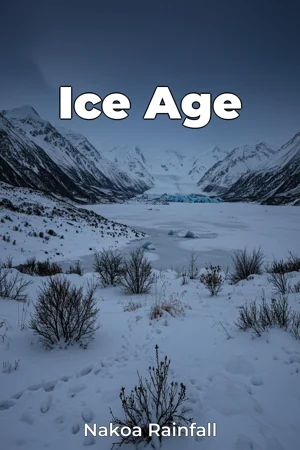
How did life persist when much of the world was covered in ice sheets thousands of feet thick? "Ice Age" delves into the dramatic period of Earth’s history when mammoths roamed, saber-toothed cats stalked, and early humans struggled for survival against a backdrop of glacial expansion and plummeting temperatures. This book explores the pivotal interplay between Earth sciences, geography, and human history during the Ice Age, revealing how these disciplines converge to paint a complete picture of this challenging era. This era is not merely a distant, frozen past; it provides critical lessons about climate change, adaptation, and the resilience of life, lessons that resonate with today's environmental concerns. The central argument of "Ice Age" is that the Ice Age was not a monolithic period of uniform cold, but rather a complex series of glacial and interglacial cycles that profoundly shaped the Earth's landscapes, altered the course of evolution, and influenced the trajectory of human migration and culture. Understanding the nuances of these cycles is crucial for interpreting past climate events and predicting future climate scenarios. "Ice Age" unfolds in a structured manner, beginning with an introduction to the fundamental concepts of glacial geology and climate science. It establishes the scientific basis for understanding ice ages, including the Milankovitch cycles, which explain variations in Earth's orbit and their impact on solar radiation. Following this foundation, the book explores the environmental transformations caused by glacial advances and retreats. This section examines the impact on flora and fauna, detailing how species adapted, migrated, or went extinct in response to the changing climate. Specific attention is given to megafauna like mammoths and saber-toothed cats, exploring their unique adaptations and eventual disappearance. A significant portion of the book is dedicated to the story of early humans during the Ice Age. It traces the migrations of hominin species across continents, examining the archaeological evidence of their tool use, hunting strategies, and social structures. The book analyzes how early humans adapted to the harsh conditions through technological innovation, such as the development of tailored clothing and sophisticated hunting weapons, and through social cooperation. "Ice Age" relies on a wide range of evidence, including geological records from ice cores and sediment layers, paleontological findings of ancient animal remains, and archaeological discoveries of human artifacts and settlements. It synthesizes data from multiple scientific disciplines to provide a comprehensive understanding of the Ice Age. The book also explores the interdisciplinary connections between Earth sciences, geography, history, and anthropology. By integrating these perspectives, "Ice Age" offers a richer and more nuanced understanding of the past and its relevance to the present. "Ice Age" is written in an accessible style, designed for a broad audience interested in Earth sciences, environmental history, and human evolution. While grounded in scientific rigor, the book avoids excessive jargon and presents complex concepts in a clear and engaging manner. It is intended for students, general readers, and anyone curious about the forces that have shaped our planet and our species. The book's scope is limited to the Pleistocene epoch, with a focus on the most recent glacial cycles. While acknowledging the existence of earlier ice ages, the book concentrates on the period for which the most detailed and relevant data is available. The understanding of past environmental changes can inform strategies for mitigating the effects of current climate change. By studying how species adapted to past climate shifts, we can gain insights into how to promote resilience in the face of ongoing environmental challenges. "Ice Age" also addresses some of the ongoing debates within the scientific community, such as the precise causes of megafaunal extinctions and the extent to which human activity influenced these events. By presenting different perspectives and weighing the available evidence, the book encourages critical thinking and a deeper understanding of the complexities of the Ice Age.
How did life persist when much of the world was covered in ice sheets thousands of feet thick? "Ice Age" delves into the dramatic period of Earth’s history when mammoths roamed, saber-toothed cats stalked, and early humans struggled for survival against a backdrop of glacial expansion and plummeting temperatures. This book explores the pivotal interplay between Earth sciences, geography, and human history during the Ice Age, revealing how these disciplines converge to paint a complete picture of this challenging era. This era is not merely a distant, frozen past; it provides critical lessons about climate change, adaptation, and the resilience of life, lessons that resonate with today's environmental concerns. The central argument of "Ice Age" is that the Ice Age was not a monolithic period of uniform cold, but rather a complex series of glacial and interglacial cycles that profoundly shaped the Earth's landscapes, altered the course of evolution, and influenced the trajectory of human migration and culture. Understanding the nuances of these cycles is crucial for interpreting past climate events and predicting future climate scenarios. "Ice Age" unfolds in a structured manner, beginning with an introduction to the fundamental concepts of glacial geology and climate science. It establishes the scientific basis for understanding ice ages, including the Milankovitch cycles, which explain variations in Earth's orbit and their impact on solar radiation. Following this foundation, the book explores the environmental transformations caused by glacial advances and retreats. This section examines the impact on flora and fauna, detailing how species adapted, migrated, or went extinct in response to the changing climate. Specific attention is given to megafauna like mammoths and saber-toothed cats, exploring their unique adaptations and eventual disappearance. A significant portion of the book is dedicated to the story of early humans during the Ice Age. It traces the migrations of hominin species across continents, examining the archaeological evidence of their tool use, hunting strategies, and social structures. The book analyzes how early humans adapted to the harsh conditions through technological innovation, such as the development of tailored clothing and sophisticated hunting weapons, and through social cooperation. "Ice Age" relies on a wide range of evidence, including geological records from ice cores and sediment layers, paleontological findings of ancient animal remains, and archaeological discoveries of human artifacts and settlements. It synthesizes data from multiple scientific disciplines to provide a comprehensive understanding of the Ice Age. The book also explores the interdisciplinary connections between Earth sciences, geography, history, and anthropology. By integrating these perspectives, "Ice Age" offers a richer and more nuanced understanding of the past and its relevance to the present. "Ice Age" is written in an accessible style, designed for a broad audience interested in Earth sciences, environmental history, and human evolution. While grounded in scientific rigor, the book avoids excessive jargon and presents complex concepts in a clear and engaging manner. It is intended for students, general readers, and anyone curious about the forces that have shaped our planet and our species. The book's scope is limited to the Pleistocene epoch, with a focus on the most recent glacial cycles. While acknowledging the existence of earlier ice ages, the book concentrates on the period for which the most detailed and relevant data is available. The understanding of past environmental changes can inform strategies for mitigating the effects of current climate change. By studying how species adapted to past climate shifts, we can gain insights into how to promote resilience in the face of ongoing environmental challenges. "Ice Age" also addresses some of the ongoing debates within the scientific community, such as the precise causes of megafaunal extinctions and the extent to which human activity influenced these events. By presenting different perspectives and weighing the available evidence, the book encourages critical thinking and a deeper understanding of the complexities of the Ice Age.
"Ice Age" transports readers to the Pleistocene epoch, a dramatic period marked by glacial cycles and plummeting temperatures. This era profoundly shaped Earth's landscapes, affecting both flora and fauna. The book emphasizes the interplay between Earth sciences, geography, and history to reveal how mammoths, saber-toothed cats, and early humans adapted and evolved. A key insight is that the Ice Age wasn't a uniformly cold period but a series of glacial and interglacial phases, each with distinct impacts on the environment and life. The book explores how early humans migrated across continents, adapted to harsh conditions, and developed tools and social structures to survive. "Ice Age" also delves into the Milankovitch cycles, explaining how variations in Earth's orbit influenced solar radiation and, consequently, climate patterns. By synthesizing geological, paleontological, and archaeological evidence, the book offers a comprehensive understanding of the period. The book progresses by first introducing glacial geology, then explores environmental transformations, and the story of early humans. This book is valuable because it presents complex scientific concepts in an accessible style, making it suitable for a broad audience interested in environmental history and human evolution. By understanding the past, we gain insights into addressing current environmental concerns and promoting resilience in the face of climate change.
Book Details
ISBN
9788235290519
Publisher
Publifye AS
Your Licenses
You don't own any licenses for this book
Purchase a license below to unlock this book and download the EPUB.
Purchase License
Select a tier to unlock this book
Need bulk licensing?
Contact us for enterprise agreements.