
About This Book
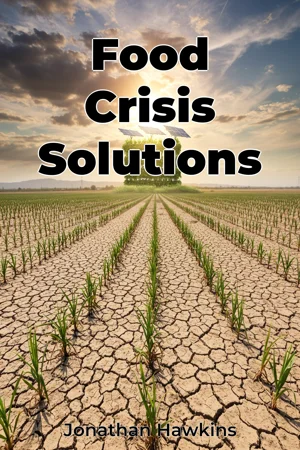
Can we feed the world sustainably? *Food Crisis Solutions* delves into the complex challenges of global food shortages, hunger, and inefficient distribution systems, offering a comprehensive analysis of innovative solutions being developed and implemented worldwide. This book addresses two critical areas: optimizing agricultural practices for increased yields and resilience, and transforming food distribution networks to ensure equitable access and reduced waste. These topics are paramount as the global population continues to grow, and climate change increasingly threatens traditional food production regions. Understanding these challenges and implementing effective solutions is crucial for global stability and the well-being of billions. The historical context reveals a recurring pattern of food crises driven by factors such as war, natural disasters, and economic instability. Understanding these past failures is essential to designing robust and resilient food systems for the future. A basic understanding of agricultural science, economics, and supply chain management will enhance the reader's comprehension of the complexities involved. The central argument of *Food Crisis Solutions* is that a multi-faceted approach, combining technological advancements, policy reforms, and community-based initiatives, is essential to overcome the global food crisis. This argument is vital because no single solution can address the intricate web of factors contributing to food insecurity. We must embrace innovation and collaboration to build a more sustainable and equitable food system. The book's structure begins with an introduction to the scope of the global food crisis, outlining the number of people affected by hunger and malnutrition, and exploring the root causes of these issues. The book then moves into a detailed examination of agricultural innovations, including precision farming, vertical farming, and the development of drought-resistant crops. These chapters also explore the role of biotechnology and genetic engineering in increasing food production. A significant portion of the book is dedicated to addressing the challenges of food distribution, examining issues such as infrastructure limitations, spoilage, and market access. This section highlights successful models of food banks, community gardens, and direct-to-consumer distribution systems. The book concludes with a discussion of policy recommendations and practical strategies that governments, organizations, and individuals can implement to create a more sustainable and equitable food future. *Food Crisis Solutions* draws upon diverse sources of evidence, including scientific studies, government reports, and case studies of successful food security initiatives. Data from organizations like the World Food Programme, the Food and Agriculture Organization of the United Nations, and academic research institutions are analyzed to support the arguments presented. The book connects to multiple disciplines, including environmental science, economics, and public health. By examining the environmental impacts of agriculture, the economic factors that drive food prices, and the health consequences of malnutrition, *Food Crisis Solutions* offers a holistic perspective on the food crisis. The book also contains aspects of political science since government policies have huge impacts on farming and distribution. A unique aspect of this book is its focus on practical, implementable solutions. Rather than simply describing the problems, *Food Crisis Solutions* highlights specific interventions and strategies that have proven effective in different contexts. The book adopts a fact-based and analytical tone, presenting information in a clear and accessible manner. The target audience includes policymakers, researchers, students, and anyone interested in learning more about the global food crisis and potential solutions. The book will be valuable to readers seeking a comprehensive overview of the challenges and opportunities in the field of food security. As a work of current events and environmental studies, it adheres to the genre's expectations of presenting verifiable facts, analyzing complex issues, and offering informed perspectives on real-world problems. The scope of *Food Crisis Solutions* is global, but the book focuses primarily on solutions applicable to developing countries and regions facing the most severe food shortages. While the book acknowledges the importance of individual actions, it primarily emphasizes systemic changes and policy interventions. The information presented in *Food Crisis Solutions* can be applied practically by readers in various ways. Policymakers can use the book's recommendations to inform food security policies, while organizations can use the case studies to guide their program design. Individuals can also use the book to become more informed consumers and advocates for sustainable food systems. The book explores the ongoing debates surrounding genetically modified organisms (GMOs) and their role in addressing food shortages. It also addresses the controversies surrounding industrial agriculture and its impact on the environment. By presenting different perspectives on these issues, *Food Crisis Solutions* aims to foster informed discussion and promote evidence-based decision-making.
Can we feed the world sustainably? *Food Crisis Solutions* delves into the complex challenges of global food shortages, hunger, and inefficient distribution systems, offering a comprehensive analysis of innovative solutions being developed and implemented worldwide. This book addresses two critical areas: optimizing agricultural practices for increased yields and resilience, and transforming food distribution networks to ensure equitable access and reduced waste. These topics are paramount as the global population continues to grow, and climate change increasingly threatens traditional food production regions. Understanding these challenges and implementing effective solutions is crucial for global stability and the well-being of billions. The historical context reveals a recurring pattern of food crises driven by factors such as war, natural disasters, and economic instability. Understanding these past failures is essential to designing robust and resilient food systems for the future. A basic understanding of agricultural science, economics, and supply chain management will enhance the reader's comprehension of the complexities involved. The central argument of *Food Crisis Solutions* is that a multi-faceted approach, combining technological advancements, policy reforms, and community-based initiatives, is essential to overcome the global food crisis. This argument is vital because no single solution can address the intricate web of factors contributing to food insecurity. We must embrace innovation and collaboration to build a more sustainable and equitable food system. The book's structure begins with an introduction to the scope of the global food crisis, outlining the number of people affected by hunger and malnutrition, and exploring the root causes of these issues. The book then moves into a detailed examination of agricultural innovations, including precision farming, vertical farming, and the development of drought-resistant crops. These chapters also explore the role of biotechnology and genetic engineering in increasing food production. A significant portion of the book is dedicated to addressing the challenges of food distribution, examining issues such as infrastructure limitations, spoilage, and market access. This section highlights successful models of food banks, community gardens, and direct-to-consumer distribution systems. The book concludes with a discussion of policy recommendations and practical strategies that governments, organizations, and individuals can implement to create a more sustainable and equitable food future. *Food Crisis Solutions* draws upon diverse sources of evidence, including scientific studies, government reports, and case studies of successful food security initiatives. Data from organizations like the World Food Programme, the Food and Agriculture Organization of the United Nations, and academic research institutions are analyzed to support the arguments presented. The book connects to multiple disciplines, including environmental science, economics, and public health. By examining the environmental impacts of agriculture, the economic factors that drive food prices, and the health consequences of malnutrition, *Food Crisis Solutions* offers a holistic perspective on the food crisis. The book also contains aspects of political science since government policies have huge impacts on farming and distribution. A unique aspect of this book is its focus on practical, implementable solutions. Rather than simply describing the problems, *Food Crisis Solutions* highlights specific interventions and strategies that have proven effective in different contexts. The book adopts a fact-based and analytical tone, presenting information in a clear and accessible manner. The target audience includes policymakers, researchers, students, and anyone interested in learning more about the global food crisis and potential solutions. The book will be valuable to readers seeking a comprehensive overview of the challenges and opportunities in the field of food security. As a work of current events and environmental studies, it adheres to the genre's expectations of presenting verifiable facts, analyzing complex issues, and offering informed perspectives on real-world problems. The scope of *Food Crisis Solutions* is global, but the book focuses primarily on solutions applicable to developing countries and regions facing the most severe food shortages. While the book acknowledges the importance of individual actions, it primarily emphasizes systemic changes and policy interventions. The information presented in *Food Crisis Solutions* can be applied practically by readers in various ways. Policymakers can use the book's recommendations to inform food security policies, while organizations can use the case studies to guide their program design. Individuals can also use the book to become more informed consumers and advocates for sustainable food systems. The book explores the ongoing debates surrounding genetically modified organisms (GMOs) and their role in addressing food shortages. It also addresses the controversies surrounding industrial agriculture and its impact on the environment. By presenting different perspectives on these issues, *Food Crisis Solutions* aims to foster informed discussion and promote evidence-based decision-making.
*Food Crisis Solutions* tackles the urgent issue of global food insecurity, exploring how we can sustainably feed the world's growing population. It examines the complexities contributing to food shortages, inefficient distribution, and hunger, emphasizing the need for innovative solutions. The book highlights that approximately one-third of food produced for human consumption is lost or wasted globally each year, and that climate change increasingly threatens traditional food production regions. The book progresses from outlining the scope of the crisis and its root causes to examining agricultural innovations like precision and vertical farming, and then addresses distribution challenges. It argues for a multi-faceted approach combining technological advancements, policy reforms, and community initiatives. It draws on diverse sources, including scientific studies and reports from organizations like the World Food Programme, to support its analysis, and emphasizes implementable strategies that have proven effective in various contexts.
Book Details
ISBN
9788235290342
Publisher
Publifye AS
Your Licenses
You don't own any licenses for this book
Purchase a license below to unlock this book and download the EPUB.
Purchase License
Select a tier to unlock this book
Need bulk licensing?
Contact us for enterprise agreements.