
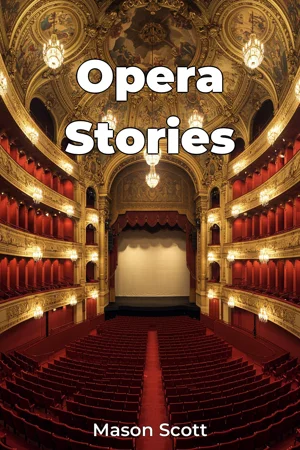
About This Book
Have you ever wondered how a story told entirely through song can move audiences to tears, joy, and everything in between? "Opera Stories" delves into the captivating world of opera, exploring its most famous works, the dramatic narratives they convey, and the exceptional vocal artistry that brings these characters vibrantly to life on stage. This book examines opera through several key lenses. First, it explores the compelling narratives that form the backbone of famous operas. These are not just tales of love and loss, but often reflections of societal norms, historical events, and timeless human struggles. Second, it examines the unique vocal techniques and dramatic skills required of opera singers, highlighting how their powerful voices and stage presence create believable and emotionally resonant characters. Finally, "Opera Stories" analyzes how music and drama intertwine to create a total art form capable of expressing profound emotions and complex ideas. These topics are important because they offer a deeper appreciation for opera beyond simply listening to the music. Understanding the stories, vocal techniques, and dramatic context enhances enjoyment and reveals the artistic depth of this performance art. Opera's roots lie in the late Renaissance, evolving from experiments with dramatic vocal music in Italy. Understanding this historical context is crucial to appreciating how opera developed its distinctive characteristics. Prior knowledge of basic music terminology (such as arias, recitatives, and ensembles) will enhance the reading experience, though definitions will be provided throughout. The central argument of "Opera Stories" is that opera is a powerful and enduring art form because of its unique ability to combine music, drama, and vocal performance to create immersive and emotionally resonant experiences. This argument matters because it challenges the perception of opera as elitist or inaccessible, revealing it instead as a vital form of storytelling that continues to resonate with audiences today. "Opera Stories" is structured to provide a comprehensive overview of the topic. It begins with an introduction to opera's key elements: the music, the drama, and the vocal performance. The book then develops these ideas in three major sections. The first section explores the history and evolution of opera, tracing its development from its origins to the present day. The second section delves into the stories of several famous operas, providing detailed plot summaries, character analyses, and discussions of the historical and social contexts in which they were created. The third section focuses on the art of opera singing, examining the vocal techniques, dramatic skills, and challenges faced by opera singers. The book culminates with a discussion of opera's enduring relevance and its impact on contemporary culture. The book draws on a variety of sources, including historical documents, musical scores, critical analyses, and interviews with opera singers and directors. We will look at unique data sources such as original librettos and stage direction manuscripts to show how the operas were originally conceived. "Opera Stories" connects to other fields such as history, literature, and musicology. The historical context of operas provides insights into the societies in which they were created, while the literary sources upon which many operas are based offer opportunities for comparative analysis. Finally, the musical scores themselves provide a wealth of information for musicological study. These connections enhance the book's argument by demonstrating the interdisciplinary nature of opera and its ability to engage with a wide range of intellectual and cultural concerns. This book distinguishes itself through its accessible and engaging approach to opera. It avoids technical jargon and focuses on making the art form understandable and enjoyable for a broad audience. The tone of "Opera Stories" is informative and engaging, aiming to educate and entertain readers. The writing style is clear and concise, avoiding overly academic language. The target audience for this book is anyone interested in learning more about opera, from casual music lovers to seasoned opera aficionados. It would be valuable to them by providing a comprehensive and accessible introduction to the art form. As a work of non-fiction, "Opera Stories" adheres to the genre's conventions of accuracy, objectivity, and clear presentation of information. The scope of the book is limited to famous and influential operas from the Western tradition. It does not attempt to provide a comprehensive overview of all operas ever written. The information in this book can be applied practically by readers to enhance their enjoyment of opera performances, deepen their understanding of music and drama, and broaden their appreciation for the performing arts. While "Opera Stories" focuses on the artistic and cultural aspects of opera, it acknowledges that there are ongoing debates about issues such as representation, cultural appropriation, and the role of opera in contemporary society.
Have you ever wondered how a story told entirely through song can move audiences to tears, joy, and everything in between? "Opera Stories" delves into the captivating world of opera, exploring its most famous works, the dramatic narratives they convey, and the exceptional vocal artistry that brings these characters vibrantly to life on stage. This book examines opera through several key lenses. First, it explores the compelling narratives that form the backbone of famous operas. These are not just tales of love and loss, but often reflections of societal norms, historical events, and timeless human struggles. Second, it examines the unique vocal techniques and dramatic skills required of opera singers, highlighting how their powerful voices and stage presence create believable and emotionally resonant characters. Finally, "Opera Stories" analyzes how music and drama intertwine to create a total art form capable of expressing profound emotions and complex ideas. These topics are important because they offer a deeper appreciation for opera beyond simply listening to the music. Understanding the stories, vocal techniques, and dramatic context enhances enjoyment and reveals the artistic depth of this performance art. Opera's roots lie in the late Renaissance, evolving from experiments with dramatic vocal music in Italy. Understanding this historical context is crucial to appreciating how opera developed its distinctive characteristics. Prior knowledge of basic music terminology (such as arias, recitatives, and ensembles) will enhance the reading experience, though definitions will be provided throughout. The central argument of "Opera Stories" is that opera is a powerful and enduring art form because of its unique ability to combine music, drama, and vocal performance to create immersive and emotionally resonant experiences. This argument matters because it challenges the perception of opera as elitist or inaccessible, revealing it instead as a vital form of storytelling that continues to resonate with audiences today. "Opera Stories" is structured to provide a comprehensive overview of the topic. It begins with an introduction to opera's key elements: the music, the drama, and the vocal performance. The book then develops these ideas in three major sections. The first section explores the history and evolution of opera, tracing its development from its origins to the present day. The second section delves into the stories of several famous operas, providing detailed plot summaries, character analyses, and discussions of the historical and social contexts in which they were created. The third section focuses on the art of opera singing, examining the vocal techniques, dramatic skills, and challenges faced by opera singers. The book culminates with a discussion of opera's enduring relevance and its impact on contemporary culture. The book draws on a variety of sources, including historical documents, musical scores, critical analyses, and interviews with opera singers and directors. We will look at unique data sources such as original librettos and stage direction manuscripts to show how the operas were originally conceived. "Opera Stories" connects to other fields such as history, literature, and musicology. The historical context of operas provides insights into the societies in which they were created, while the literary sources upon which many operas are based offer opportunities for comparative analysis. Finally, the musical scores themselves provide a wealth of information for musicological study. These connections enhance the book's argument by demonstrating the interdisciplinary nature of opera and its ability to engage with a wide range of intellectual and cultural concerns. This book distinguishes itself through its accessible and engaging approach to opera. It avoids technical jargon and focuses on making the art form understandable and enjoyable for a broad audience. The tone of "Opera Stories" is informative and engaging, aiming to educate and entertain readers. The writing style is clear and concise, avoiding overly academic language. The target audience for this book is anyone interested in learning more about opera, from casual music lovers to seasoned opera aficionados. It would be valuable to them by providing a comprehensive and accessible introduction to the art form. As a work of non-fiction, "Opera Stories" adheres to the genre's conventions of accuracy, objectivity, and clear presentation of information. The scope of the book is limited to famous and influential operas from the Western tradition. It does not attempt to provide a comprehensive overview of all operas ever written. The information in this book can be applied practically by readers to enhance their enjoyment of opera performances, deepen their understanding of music and drama, and broaden their appreciation for the performing arts. While "Opera Stories" focuses on the artistic and cultural aspects of opera, it acknowledges that there are ongoing debates about issues such as representation, cultural appropriation, and the role of opera in contemporary society.
"Opera Stories" explores the captivating world of opera, revealing the dramatic narratives and exceptional vocal artistry that bring these stories to life. It examines how societal norms, historical events, and human struggles are reflected in famous operas. Opera singers require unique vocal techniques and dramatic skills to create believable and emotionally resonant characters; their powerful voices and stage presence are crucial to the art form. The book delves into the history and evolution of opera, tracing its development from its origins to the present day. It provides detailed plot summaries and character analyses of famous operas, as well as discussions of their historical and social contexts. The book culminates in an examination of the art of opera singing, highlighting the challenges faced by performers. By exploring the stories, vocal techniques, and dramatic elements, "Opera Stories" enhances appreciation for opera and reveals its artistic depth.
Book Details
ISBN
9788235290311
Publisher
Publifye AS
Your Licenses
You don't own any licenses for this book
Purchase a license below to unlock this book and download the EPUB.
Purchase License
Select a tier to unlock this book
Need bulk licensing?
Contact us for enterprise agreements.