
About This Book
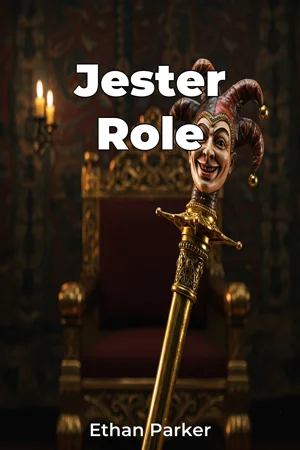
Did you know that a well-placed joke could influence the fate of kingdoms? "Jester Role" delves into the multifaceted social function of jesters and licensed humor within historical courts, revealing their surprising influence beyond mere entertainment. This book examines how court jesters, often dismissed as simple fools, served as vital conduits for social commentary, political critique, and even diplomatic maneuvering. We will explore three central themes: the jester as a social safety valve, their role in shaping political discourse, and the evolution of their comedic license. Understanding these topics is crucial because it offers a new perspective on the dynamics of power, communication, and social control in past societies. We move beyond the simplistic image of the jester as a buffoon to understand them as complex figures operating within a nuanced system of privilege and constraint. The historical context is paramount. From ancient Egypt to the European Renaissance, various forms of court fools existed, each reflecting the specific cultural and political landscape of their time. A basic understanding of the prevalent social hierarchies and political structures of the periods discussed is beneficial, though we provide sufficient historical background. The central argument of "Jester Role" is that jesters, through their unique position of licensed humor, acted as critical, yet often overlooked, agents in shaping social and political realities. Their jokes, songs, and performances were not just entertainment; they were sophisticated tools for navigating and negotiating power dynamics. This argument is important because it challenges traditional interpretations of court life, demonstrating the jester's significant, yet subtle, impact. The book begins by introducing the concept of the "licensed fool" and its various manifestations across different cultures. The first section investigates the jester's role as a social safety valve, examining how their humor diffused tension, challenged norms, and provided a platform for expressing dissenting opinions. The second section analyzes the jester's involvement in political discourse, demonstrating how their wit could influence policy, expose corruption, and even mediate conflicts between rulers and their subjects. The third section traces the evolution of comedic license, exploring how the boundaries of acceptable humor shifted over time and how jesters adapted to changing social and political climates. The book concludes by considering the enduring legacy of the jester role and its relevance to contemporary discussions about free speech, satire, and the power of humor. The arguments presented are supported by a range of historical evidence, including court records, literary texts, visual art, and anthropological studies. Primary sources such as letters, diaries, and plays are analyzed to understand the jester's interactions with the rest of the court. The book also draws on secondary scholarship in history, literature, performance studies, and cultural studies to provide a comprehensive and interdisciplinary analysis. "Jester Role" connects to fields such as political science, sociology, and communications. Political science provides frameworks for understanding power dynamics and governance. Sociology offers insights into social norms, deviance, and the role of humor in social cohesion. Communications theory helps analyze how jesters used language, performance, and symbolism to communicate complex ideas to diverse audiences. This book adopts a unique perspective by focusing on the jester's agency and impact, rather than simply viewing them as passive entertainers. It emphasizes the strategic nature of their humor and analyzes how they navigated the complexities of court life to achieve specific social and political goals. The tone of the book is scholarly yet accessible, aiming to engage both academic and general readers interested in history, performance, and the social power of humor. The target audience includes students and scholars in history, literature, and performance studies, as well as anyone interested in the history of humor, political satire, and the dynamics of power. The book's scope is limited primarily to Western European courts from the medieval period through the early modern era, with comparative examples drawn from other cultures. This focus allows for a detailed and nuanced analysis of the jester role within a specific historical and cultural context. The insights offered can be applied to contemporary discussions about the role of satire in political discourse, the importance of free speech, and the power of humor to challenge authority. While the historical role of the jester is generally accepted, debates exist regarding the extent of their political influence and the degree to which they were genuinely protected by their comedic license. "Jester Role" engages with these debates by providing a nuanced and evidence-based analysis of the jester's complex and often contradictory position within the court.
Did you know that a well-placed joke could influence the fate of kingdoms? "Jester Role" delves into the multifaceted social function of jesters and licensed humor within historical courts, revealing their surprising influence beyond mere entertainment. This book examines how court jesters, often dismissed as simple fools, served as vital conduits for social commentary, political critique, and even diplomatic maneuvering. We will explore three central themes: the jester as a social safety valve, their role in shaping political discourse, and the evolution of their comedic license. Understanding these topics is crucial because it offers a new perspective on the dynamics of power, communication, and social control in past societies. We move beyond the simplistic image of the jester as a buffoon to understand them as complex figures operating within a nuanced system of privilege and constraint. The historical context is paramount. From ancient Egypt to the European Renaissance, various forms of court fools existed, each reflecting the specific cultural and political landscape of their time. A basic understanding of the prevalent social hierarchies and political structures of the periods discussed is beneficial, though we provide sufficient historical background. The central argument of "Jester Role" is that jesters, through their unique position of licensed humor, acted as critical, yet often overlooked, agents in shaping social and political realities. Their jokes, songs, and performances were not just entertainment; they were sophisticated tools for navigating and negotiating power dynamics. This argument is important because it challenges traditional interpretations of court life, demonstrating the jester's significant, yet subtle, impact. The book begins by introducing the concept of the "licensed fool" and its various manifestations across different cultures. The first section investigates the jester's role as a social safety valve, examining how their humor diffused tension, challenged norms, and provided a platform for expressing dissenting opinions. The second section analyzes the jester's involvement in political discourse, demonstrating how their wit could influence policy, expose corruption, and even mediate conflicts between rulers and their subjects. The third section traces the evolution of comedic license, exploring how the boundaries of acceptable humor shifted over time and how jesters adapted to changing social and political climates. The book concludes by considering the enduring legacy of the jester role and its relevance to contemporary discussions about free speech, satire, and the power of humor. The arguments presented are supported by a range of historical evidence, including court records, literary texts, visual art, and anthropological studies. Primary sources such as letters, diaries, and plays are analyzed to understand the jester's interactions with the rest of the court. The book also draws on secondary scholarship in history, literature, performance studies, and cultural studies to provide a comprehensive and interdisciplinary analysis. "Jester Role" connects to fields such as political science, sociology, and communications. Political science provides frameworks for understanding power dynamics and governance. Sociology offers insights into social norms, deviance, and the role of humor in social cohesion. Communications theory helps analyze how jesters used language, performance, and symbolism to communicate complex ideas to diverse audiences. This book adopts a unique perspective by focusing on the jester's agency and impact, rather than simply viewing them as passive entertainers. It emphasizes the strategic nature of their humor and analyzes how they navigated the complexities of court life to achieve specific social and political goals. The tone of the book is scholarly yet accessible, aiming to engage both academic and general readers interested in history, performance, and the social power of humor. The target audience includes students and scholars in history, literature, and performance studies, as well as anyone interested in the history of humor, political satire, and the dynamics of power. The book's scope is limited primarily to Western European courts from the medieval period through the early modern era, with comparative examples drawn from other cultures. This focus allows for a detailed and nuanced analysis of the jester role within a specific historical and cultural context. The insights offered can be applied to contemporary discussions about the role of satire in political discourse, the importance of free speech, and the power of humor to challenge authority. While the historical role of the jester is generally accepted, debates exist regarding the extent of their political influence and the degree to which they were genuinely protected by their comedic license. "Jester Role" engages with these debates by providing a nuanced and evidence-based analysis of the jester's complex and often contradictory position within the court.
"Jester Role" explores the captivating history of court jesters, revealing their significant role beyond mere entertainment. These "licensed fools" wielded surprising influence, using humor as a tool for social commentary and political critique. One intriguing aspect is how jesters acted as a social safety valve, diffusing tension and even challenging norms within the rigid social hierarchy of historical courts. Their jokes and performances were sophisticated means of navigating complex power dynamics. The book examines how jesters shaped political discourse, influencing policy and mediating conflicts. It traces the evolution of comedic license, showing how the boundaries of acceptable humor shifted over time. The approach is supported by historical evidence from court records, literature, and art. The book progresses by first introducing the concept of the licensed fool, then analyzing their role as a social safety valve, followed by their involvement in political discourse, and finally, tracing the evolution of comedic license. This book offers a unique perspective by emphasizing the jester's agency and impact, rather than simply viewing them as passive entertainers. It's valuable for those interested in history and the performing arts, providing a deeper understanding of social control and political discourse through the lens of licensed humor and satire.
Book Details
ISBN
9788235290298
Publisher
Publifye AS
Your Licenses
You don't own any licenses for this book
Purchase a license below to unlock this book and download the EPUB.
Purchase License
Select a tier to unlock this book
Need bulk licensing?
Contact us for enterprise agreements.