
About This Book
How is the wine you drink shaped by forces far beyond the vineyard? This book, "Wine Business," explores the interconnected dynamics of vineyards, distribution networks, and evolving consumer preferences that define the global wine industry. These elements form a complex ecosystem where success hinges on understanding the interplay between agricultural practices, market access, and shifting tastes. Analyzing this triad offers essential insights into the challenges and opportunities facing producers, distributors, and retailers alike. The book's central argument is that a comprehensive understanding of the wine industry requires integrating perspectives from agriculture, logistics, and consumer behavior. Without this holistic view, businesses risk misinterpreting market signals, leading to ineffective strategies and missed opportunities. This argument is crucial because the wine industry, while steeped in tradition, operates within an increasingly competitive and dynamic global market. This book is structured to provide a robust framework for understanding these multifaceted interactions. It begins by examining the fundamental role of vineyards, focusing on viticultural practices, terroir, and the impact of climate change on grape production. We delve into how vineyard management decisions ultimately shape the quality and characteristics of the wine, influencing its marketability and pricing. Next, the book analyzes distribution channels, from traditional wholesale models to emerging e-commerce platforms. It assesses the efficiencies and challenges associated with different distribution strategies, considering factors such as transportation costs, regulatory frameworks, and the power of intermediaries. Following this, we explore consumer trends, analyzing how demographic shifts, lifestyle changes, and cultural influences impact wine consumption patterns. This section delves into market segmentation, brand building, and the influence of social media on purchasing decisions. The work culminates in a discussion of sustainable practices, technological innovations, and the future of the wine business, emphasizing the need for adaptability and strategic foresight. To support these arguments, the book draws on a range of evidence, including industry reports, academic research, case studies of successful and unsuccessful wine businesses, and statistical data on production, sales, and consumption patterns. Unique datasets, such as analyses of online wine reviews and social media sentiment are utilized to gain deeper insights into consumer preferences. The book bridges connections with agricultural economics by investigating vineyard management practices and the economics of grape production; supply chain management by examining the efficiency of various distribution models; and consumer psychology by analyzing how consumer preferences shape market demand. This book offers a systematic framework for understanding the complex dynamics of the wine industry. It presents a synthesis of existing research, coupled with original analyses, to provide a fresh perspective on the challenges and opportunities facing industry participants. Written in a professional and accessible style, this book is intended for students of wine business, industry professionals seeking to enhance their strategic decision-making, and anyone with a keen interest in understanding the economic forces shaping this global market. The scope of this book is intentionally broad, encompassing the global wine industry. However, it does not delve into the specific details of winemaking techniques, focusing instead on the business and economic aspects. Readers will gain actionable insights into market trends, distribution strategies, and consumer behavior, enabling them to make informed decisions in their respective roles within the industry. Whether you are a vineyard owner, a distributor, a retailer, or simply a curious consumer, this book provides a valuable roadmap for navigating the complexities of the wine business.
How is the wine you drink shaped by forces far beyond the vineyard? This book, "Wine Business," explores the interconnected dynamics of vineyards, distribution networks, and evolving consumer preferences that define the global wine industry. These elements form a complex ecosystem where success hinges on understanding the interplay between agricultural practices, market access, and shifting tastes. Analyzing this triad offers essential insights into the challenges and opportunities facing producers, distributors, and retailers alike. The book's central argument is that a comprehensive understanding of the wine industry requires integrating perspectives from agriculture, logistics, and consumer behavior. Without this holistic view, businesses risk misinterpreting market signals, leading to ineffective strategies and missed opportunities. This argument is crucial because the wine industry, while steeped in tradition, operates within an increasingly competitive and dynamic global market. This book is structured to provide a robust framework for understanding these multifaceted interactions. It begins by examining the fundamental role of vineyards, focusing on viticultural practices, terroir, and the impact of climate change on grape production. We delve into how vineyard management decisions ultimately shape the quality and characteristics of the wine, influencing its marketability and pricing. Next, the book analyzes distribution channels, from traditional wholesale models to emerging e-commerce platforms. It assesses the efficiencies and challenges associated with different distribution strategies, considering factors such as transportation costs, regulatory frameworks, and the power of intermediaries. Following this, we explore consumer trends, analyzing how demographic shifts, lifestyle changes, and cultural influences impact wine consumption patterns. This section delves into market segmentation, brand building, and the influence of social media on purchasing decisions. The work culminates in a discussion of sustainable practices, technological innovations, and the future of the wine business, emphasizing the need for adaptability and strategic foresight. To support these arguments, the book draws on a range of evidence, including industry reports, academic research, case studies of successful and unsuccessful wine businesses, and statistical data on production, sales, and consumption patterns. Unique datasets, such as analyses of online wine reviews and social media sentiment are utilized to gain deeper insights into consumer preferences. The book bridges connections with agricultural economics by investigating vineyard management practices and the economics of grape production; supply chain management by examining the efficiency of various distribution models; and consumer psychology by analyzing how consumer preferences shape market demand. This book offers a systematic framework for understanding the complex dynamics of the wine industry. It presents a synthesis of existing research, coupled with original analyses, to provide a fresh perspective on the challenges and opportunities facing industry participants. Written in a professional and accessible style, this book is intended for students of wine business, industry professionals seeking to enhance their strategic decision-making, and anyone with a keen interest in understanding the economic forces shaping this global market. The scope of this book is intentionally broad, encompassing the global wine industry. However, it does not delve into the specific details of winemaking techniques, focusing instead on the business and economic aspects. Readers will gain actionable insights into market trends, distribution strategies, and consumer behavior, enabling them to make informed decisions in their respective roles within the industry. Whether you are a vineyard owner, a distributor, a retailer, or simply a curious consumer, this book provides a valuable roadmap for navigating the complexities of the wine business.
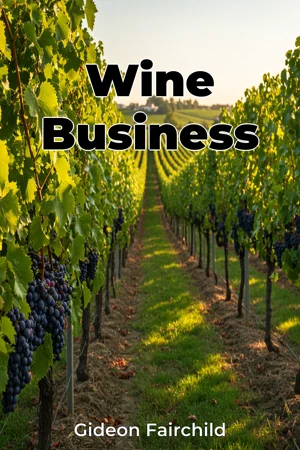
"Wine Business" offers a comprehensive exploration of the global wine industry, revealing how vineyards, distribution, and consumer tastes intertwine to shape the market. It emphasizes the necessity of understanding the interplay between agricultural practices, supply chain management, and consumer behavior for success in a competitive environment. Interestingly, vineyard management significantly impacts wine quality and marketability, while evolving consumer preferences, influenced by lifestyle changes and social media, drive shifts in wine consumption patterns. The book adopts a systematic approach, starting with vineyard economics and viticultural practices before moving to distribution channels, including e-commerce, and finally, consumer trends and market segmentation. It examines the challenges and efficiencies within different distribution strategies, highlighting the impact of regulations and transportation costs. The book uses diverse evidence, from industry reports to analyses of online wine reviews, to provide actionable insights into market trends and consumer psychology. Ultimately, the book provides a roadmap for navigating the complexities of the wine business.
Book Details
ISBN
9788235290281
Publisher
Publifye AS
Your Licenses
You don't own any licenses for this book
Purchase a license below to unlock this book and download the EPUB.
Purchase License
Select a tier to unlock this book
Need bulk licensing?
Contact us for enterprise agreements.