
About This Book
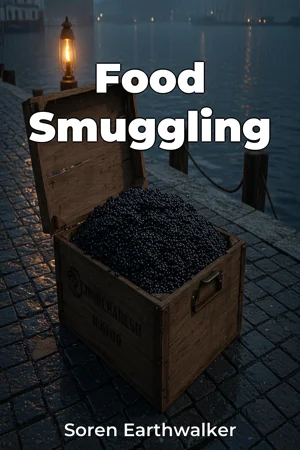
Have you ever considered that seemingly ordinary food items could be at the heart of complex criminal enterprises and desperate survival strategies? "Food Smuggling" delves into the clandestine world of illegal food transportation across borders, revealing the intricate networks and motivations driving this often-overlooked form of contraband. This book explores the history, economics, and human stories behind the illicit movement of food, examining how it intersects with global trade, political instability, and basic human needs. The book focuses on three key areas: the economic incentives propelling food smuggling, the historical context that has shaped its practices, and the human impact on both smugglers and consumers. Understanding these elements is crucial because food smuggling undermines legitimate trade, poses potential health risks through unregulated products, and reflects deeper societal inequalities. Historically, food smuggling has been fueled by trade restrictions, tariffs, and political conflicts. From the colonial era's sugar and spice trade to modern-day embargoes and sanctions, the desire to circumvent regulations has driven individuals and organizations to risk illegal transportation. The book provides examples from various eras and geographical locations to illustrate how these factors have evolved over time. The central argument of "Food Smuggling" is that illegal food trade is not merely an economic crime; it's a symptom of larger systemic issues, including unequal access to resources, flawed trade policies, and the desperation of individuals seeking sustenance or profit. Addressing the root causes requires a multidisciplinary approach involving economic reform, international cooperation, and humanitarian aid. The book unfolds in several stages. First, it introduces the core concepts of food smuggling, defining its various forms and the factors that differentiate it from legitimate trade. Secondly, the book presents major case studies exploring the smuggling of specific goods, such as dairy products in Europe, grains in famine-stricken regions, and luxury items like caviar and truffles. Each case study examines the smuggling routes, the actors involved, and the consequences for local economies and public health. Thirdly, the book examines the counter-measures employed by governments and international organizations, assessing their effectiveness and unintended consequences. The culmination of the argument synthesizes these case studies and analyses, outlining potential solutions for mitigating the negative impacts of food smuggling while addressing its underlying causes. To support its arguments, "Food Smuggling" draws on a range of primary and secondary sources, including government reports, trade statistics, historical archives, and interviews with law enforcement officials, smugglers, and affected communities. This offers a comprehensive and nuanced understanding of the phenomenon. The study of food smuggling connects to fields such as criminology, economics, and international relations. It provides insights into the dynamics of black markets, the impact of trade policies on food security, and the challenges of cross-border law enforcement. These connections enhance the book's argument by demonstrating the multifaceted nature of food smuggling and its relevance to various academic disciplines. "Food Smuggling" takes a unique approach by combining historical analysis with contemporary case studies, providing a long-term perspective on the phenomenon. It also emphasizes the human stories behind the statistics, giving a voice to those directly affected by illegal food trade. The book adopts a narrative non-fiction style, presenting information in an engaging and accessible manner while maintaining scholarly rigor. The target audience includes students and researchers in criminology, economics, and history, as well as policymakers and anyone interested in the dark side of global trade. The book will be valuable to them by providing a comprehensive and insightful analysis of a complex and often misunderstood issue. As a work of true crime and history, "Food Smuggling" adheres to the genre's conventions by presenting factual information in a compelling narrative style, using real-world examples and historical context to illuminate the subject matter. The book focuses primarily on the illegal movement of food across international borders, with a particular emphasis on cases driven by economic incentives or survival needs. While it acknowledges the role of food smuggling in other contexts, such as organized crime and terrorism, these aspects will not be the primary focus. The information presented in "Food Smuggling" has practical applications for policymakers seeking to improve trade regulations, law enforcement agencies combating illegal trade, and humanitarian organizations addressing food insecurity. By understanding the drivers and consequences of food smuggling, readers can contribute to more effective and ethical approaches to global food governance.
Have you ever considered that seemingly ordinary food items could be at the heart of complex criminal enterprises and desperate survival strategies? "Food Smuggling" delves into the clandestine world of illegal food transportation across borders, revealing the intricate networks and motivations driving this often-overlooked form of contraband. This book explores the history, economics, and human stories behind the illicit movement of food, examining how it intersects with global trade, political instability, and basic human needs. The book focuses on three key areas: the economic incentives propelling food smuggling, the historical context that has shaped its practices, and the human impact on both smugglers and consumers. Understanding these elements is crucial because food smuggling undermines legitimate trade, poses potential health risks through unregulated products, and reflects deeper societal inequalities. Historically, food smuggling has been fueled by trade restrictions, tariffs, and political conflicts. From the colonial era's sugar and spice trade to modern-day embargoes and sanctions, the desire to circumvent regulations has driven individuals and organizations to risk illegal transportation. The book provides examples from various eras and geographical locations to illustrate how these factors have evolved over time. The central argument of "Food Smuggling" is that illegal food trade is not merely an economic crime; it's a symptom of larger systemic issues, including unequal access to resources, flawed trade policies, and the desperation of individuals seeking sustenance or profit. Addressing the root causes requires a multidisciplinary approach involving economic reform, international cooperation, and humanitarian aid. The book unfolds in several stages. First, it introduces the core concepts of food smuggling, defining its various forms and the factors that differentiate it from legitimate trade. Secondly, the book presents major case studies exploring the smuggling of specific goods, such as dairy products in Europe, grains in famine-stricken regions, and luxury items like caviar and truffles. Each case study examines the smuggling routes, the actors involved, and the consequences for local economies and public health. Thirdly, the book examines the counter-measures employed by governments and international organizations, assessing their effectiveness and unintended consequences. The culmination of the argument synthesizes these case studies and analyses, outlining potential solutions for mitigating the negative impacts of food smuggling while addressing its underlying causes. To support its arguments, "Food Smuggling" draws on a range of primary and secondary sources, including government reports, trade statistics, historical archives, and interviews with law enforcement officials, smugglers, and affected communities. This offers a comprehensive and nuanced understanding of the phenomenon. The study of food smuggling connects to fields such as criminology, economics, and international relations. It provides insights into the dynamics of black markets, the impact of trade policies on food security, and the challenges of cross-border law enforcement. These connections enhance the book's argument by demonstrating the multifaceted nature of food smuggling and its relevance to various academic disciplines. "Food Smuggling" takes a unique approach by combining historical analysis with contemporary case studies, providing a long-term perspective on the phenomenon. It also emphasizes the human stories behind the statistics, giving a voice to those directly affected by illegal food trade. The book adopts a narrative non-fiction style, presenting information in an engaging and accessible manner while maintaining scholarly rigor. The target audience includes students and researchers in criminology, economics, and history, as well as policymakers and anyone interested in the dark side of global trade. The book will be valuable to them by providing a comprehensive and insightful analysis of a complex and often misunderstood issue. As a work of true crime and history, "Food Smuggling" adheres to the genre's conventions by presenting factual information in a compelling narrative style, using real-world examples and historical context to illuminate the subject matter. The book focuses primarily on the illegal movement of food across international borders, with a particular emphasis on cases driven by economic incentives or survival needs. While it acknowledges the role of food smuggling in other contexts, such as organized crime and terrorism, these aspects will not be the primary focus. The information presented in "Food Smuggling" has practical applications for policymakers seeking to improve trade regulations, law enforcement agencies combating illegal trade, and humanitarian organizations addressing food insecurity. By understanding the drivers and consequences of food smuggling, readers can contribute to more effective and ethical approaches to global food governance.
"Food Smuggling" explores the hidden world of illegal food trade, revealing how ordinary items become contraband and fuel complex criminal networks. This true crime and history narrative uncovers the economic incentives, historical roots, and human impact of smuggling. For instance, trade restrictions and tariffs throughout history have driven individuals to risk illegal transportation, mirroring situations from the colonial sugar trade to modern embargoes. The book uniquely blends historical analysis with contemporary case studies. It examines specific smuggled goods—from European dairy products to luxury items like caviar—detailing smuggling routes, involved actors, and consequences for local economies and public health. Furthermore, it highlights how food smuggling, often an economic crime, is a symptom of systemic issues such as unequal resource access and flawed trade policies, reflecting the desperation of those seeking sustenance or profit. The book progresses by first defining food smuggling and differentiating it from legitimate trade. It then delves into case studies and concludes by assessing countermeasures employed by governments and international organizations. This approach offers readers a comprehensive understanding of the complex dynamics within global trade and cross-border law enforcement.
Book Details
ISBN
9788235290243
Publisher
Publifye AS
Your Licenses
You don't own any licenses for this book
Purchase a license below to unlock this book and download the EPUB.
Purchase License
Select a tier to unlock this book
Need bulk licensing?
Contact us for enterprise agreements.