
About This Book
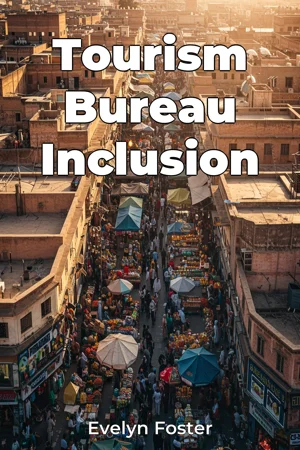
How are national tourism boards adapting to the increasing visibility and economic power of LGBTQ+ travelers? "Tourism Bureau Inclusion" delves into the strategies, successes, and shortcomings of national tourism organizations in promoting LGBTQ+-friendly travel. This book examines the multifaceted ways in which nations court the pink dollar, focusing on certification programs, targeted marketing campaigns, and the crucial element of inclusivity training for local hospitality sectors. These topics are vital for understanding the evolving landscape of international tourism and its impact on LGBTQ+ communities, local economies, and broader societal acceptance. The book provides a historical and social context by tracing the development of LGBTQ+ tourism from niche travel to a significant economic driver. It explores the shift in societal attitudes towards LGBTQ+ individuals and how this change has influenced travel patterns and expectations. Readers should have a basic understanding of marketing principles, cultural sensitivity, and an awareness of LGBTQ+ issues. The central argument of "Tourism Bureau Inclusion" asserts that authentic and effective LGBTQ+-friendly tourism promotion requires a holistic approach encompassing not only marketing but also tangible efforts to ensure safety, respect, and inclusion for LGBTQ+ travelers at every touchpoint of their journey. Superficial campaigns are easily recognized and can lead to backlash, highlighting the need for genuine commitment from national tourism boards. The book begins by introducing the core concepts of LGBTQ+ tourism and diversity marketing, defining key terms and establishing the scope of the investigation. It then develops its argument through three major parts: First, an analysis of existing certification programs and their effectiveness in guaranteeing LGBTQ+-friendly experiences. Second, a close examination of national tourism boards' marketing campaigns, assessing their authenticity, cultural sensitivity, and impact on LGBTQ+ travel decisions. Third, an evaluation of training initiatives designed to educate hospitality workers on LGBTQ+ issues, focusing on creating inclusive environments and preventing discrimination. The book culminates by exploring the practical implications of these findings, offering recommendations for national tourism boards and hospitality businesses seeking to genuinely engage with the LGBTQ+ travel market. The research presented draws on a diverse range of evidence, including case studies of national tourism boards, analyses of marketing materials, surveys of LGBTQ+ travelers, and evaluations of hospitality training programs. This includes data gathered from industry reports, academic studies, and direct engagement with LGBTQ+ travel organizations. "Tourism Bureau Inclusion" connects to several other fields, including sociology, economics, and political science. Sociological perspectives inform the understanding of LGBTQ+ identities and community dynamics, while economic analyses highlight the financial significance of LGBTQ+ tourism. Political science provides a framework for understanding the role of government agencies in promoting inclusivity. These interdisciplinary connections enrich the book's argument, offering a comprehensive understanding of LGBTQ+-friendly travel promotion. The book distinguishes itself by adopting a critical and analytical lens, moving beyond simple descriptions of marketing strategies to assess their real-world impact and authenticity. It offers a novel approach by considering the intersectionality of LGBTQ+ identities with other social categories, such as race, ethnicity, and disability, to provide a more nuanced understanding of travelers' experiences. Written in a professional and accessible style, the book aims to inform, educate, and provoke thought. Its target audience includes tourism industry professionals, policymakers, academics in tourism studies and LGBTQ+ studies, and LGBTQ+ individuals interested in the politics and ethics of travel. As a work of social science and travel writing, "Tourism Bureau Inclusion" adheres to the standards of academic rigor while remaining engaging and relevant to a broad audience. It aims to provide a comprehensive, yet focused, analysis of LGBTQ+-friendly tourism promotion, primarily examining national-level initiatives with a practical focus on Western countries and those in the Asia-Pacific region. The information presented in the book can be directly applied by national tourism boards to improve their LGBTQ+-friendly initiatives, by hospitality businesses to create more inclusive environments, and by LGBTQ+ travelers to make informed decisions about their travel choices. The book acknowledges the ongoing debates surrounding LGBTQ+ rights and the role of tourism in promoting or hindering social change. It addresses the controversies related to pinkwashing, where companies or organizations superficially promote LGBTQ+ inclusion for commercial gain, without genuine commitment to equality.
How are national tourism boards adapting to the increasing visibility and economic power of LGBTQ+ travelers? "Tourism Bureau Inclusion" delves into the strategies, successes, and shortcomings of national tourism organizations in promoting LGBTQ+-friendly travel. This book examines the multifaceted ways in which nations court the pink dollar, focusing on certification programs, targeted marketing campaigns, and the crucial element of inclusivity training for local hospitality sectors. These topics are vital for understanding the evolving landscape of international tourism and its impact on LGBTQ+ communities, local economies, and broader societal acceptance. The book provides a historical and social context by tracing the development of LGBTQ+ tourism from niche travel to a significant economic driver. It explores the shift in societal attitudes towards LGBTQ+ individuals and how this change has influenced travel patterns and expectations. Readers should have a basic understanding of marketing principles, cultural sensitivity, and an awareness of LGBTQ+ issues. The central argument of "Tourism Bureau Inclusion" asserts that authentic and effective LGBTQ+-friendly tourism promotion requires a holistic approach encompassing not only marketing but also tangible efforts to ensure safety, respect, and inclusion for LGBTQ+ travelers at every touchpoint of their journey. Superficial campaigns are easily recognized and can lead to backlash, highlighting the need for genuine commitment from national tourism boards. The book begins by introducing the core concepts of LGBTQ+ tourism and diversity marketing, defining key terms and establishing the scope of the investigation. It then develops its argument through three major parts: First, an analysis of existing certification programs and their effectiveness in guaranteeing LGBTQ+-friendly experiences. Second, a close examination of national tourism boards' marketing campaigns, assessing their authenticity, cultural sensitivity, and impact on LGBTQ+ travel decisions. Third, an evaluation of training initiatives designed to educate hospitality workers on LGBTQ+ issues, focusing on creating inclusive environments and preventing discrimination. The book culminates by exploring the practical implications of these findings, offering recommendations for national tourism boards and hospitality businesses seeking to genuinely engage with the LGBTQ+ travel market. The research presented draws on a diverse range of evidence, including case studies of national tourism boards, analyses of marketing materials, surveys of LGBTQ+ travelers, and evaluations of hospitality training programs. This includes data gathered from industry reports, academic studies, and direct engagement with LGBTQ+ travel organizations. "Tourism Bureau Inclusion" connects to several other fields, including sociology, economics, and political science. Sociological perspectives inform the understanding of LGBTQ+ identities and community dynamics, while economic analyses highlight the financial significance of LGBTQ+ tourism. Political science provides a framework for understanding the role of government agencies in promoting inclusivity. These interdisciplinary connections enrich the book's argument, offering a comprehensive understanding of LGBTQ+-friendly travel promotion. The book distinguishes itself by adopting a critical and analytical lens, moving beyond simple descriptions of marketing strategies to assess their real-world impact and authenticity. It offers a novel approach by considering the intersectionality of LGBTQ+ identities with other social categories, such as race, ethnicity, and disability, to provide a more nuanced understanding of travelers' experiences. Written in a professional and accessible style, the book aims to inform, educate, and provoke thought. Its target audience includes tourism industry professionals, policymakers, academics in tourism studies and LGBTQ+ studies, and LGBTQ+ individuals interested in the politics and ethics of travel. As a work of social science and travel writing, "Tourism Bureau Inclusion" adheres to the standards of academic rigor while remaining engaging and relevant to a broad audience. It aims to provide a comprehensive, yet focused, analysis of LGBTQ+-friendly tourism promotion, primarily examining national-level initiatives with a practical focus on Western countries and those in the Asia-Pacific region. The information presented in the book can be directly applied by national tourism boards to improve their LGBTQ+-friendly initiatives, by hospitality businesses to create more inclusive environments, and by LGBTQ+ travelers to make informed decisions about their travel choices. The book acknowledges the ongoing debates surrounding LGBTQ+ rights and the role of tourism in promoting or hindering social change. It addresses the controversies related to pinkwashing, where companies or organizations superficially promote LGBTQ+ inclusion for commercial gain, without genuine commitment to equality.
"Tourism Bureau Inclusion" explores how national tourism boards are adapting to the growing LGBTQ+ travel market, often called the "pink dollar." The book examines whether marketing campaigns are authentic or merely "pinkwashing," and if hospitality training truly creates inclusive environments. It reveals that LGBTQ+ tourism has evolved from a niche market into a significant economic force, influencing societal attitudes and travel expectations. The book's approach begins by defining LGBTQ+ tourism and diversity marketing, then progresses through an analysis of certification programs, marketing campaigns, and training initiatives. It utilizes case studies, marketing material analyses, and surveys from LGBTQ+ travelers. The book argues that genuine LGBTQ+-friendly tourism requires a holistic approach, ensuring safety, respect, and inclusion at every stage of the journey.
Book Details
ISBN
9788235290083
Publisher
Publifye AS
Your Licenses
You don't own any licenses for this book
Purchase a license below to unlock this book and download the EPUB.
Purchase License
Select a tier to unlock this book
Need bulk licensing?
Contact us for enterprise agreements.