
About This Book
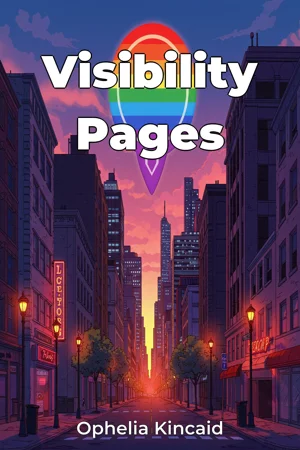
How have comic books, a medium often associated with childhood fantasy, subtly and powerfully shaped the landscape of LGBTQ+ visibility and acceptance? "Visibility Pages" explores the evolving representation of LGBTQ+ characters and storylines in comic books, examining their contribution to social and cultural understanding. The book centers on two key areas: the development of recurring LGBTQ+ characters within mainstream and independent comics, and the evolution of storylines that address themes of identity, acceptance, and social justice over time. Understanding these elements is critical because comic books, as a widely consumed form of popular culture, possess the potential to influence societal attitudes and perceptions. This investigation is set against the backdrop of shifting social attitudes toward LGBTQ+ rights, from the underground comix movement of the late 20th century to the increasingly diverse representation in contemporary mainstream comics. A basic understanding of comic book history and LGBTQ+ social movements will provide valuable context for readers. "Visibility Pages" argues that comic books have served as a vital, albeit often overlooked, space for LGBTQ+ individuals to see themselves reflected in popular media and for broader audiences to develop empathy and understanding. This argument is significant because it challenges the common perception of comic books as mere entertainment and highlights their potential for social impact. The book will begin by introducing foundational concepts, such as representation theory and the history of LGBTQ+ representation in media. It will then delve into specific case studies, examining the portrayal of recurring LGBTQ+ characters in major comic book universes (e.g., Marvel, DC) and in independent titles. Analysis of storylines will highlight how they have evolved to address issues like coming out, discrimination, marriage equality, and the AIDS crisis. The argument will culminate in a discussion of the current state of LGBTQ+ representation in comics and its implications for the future. Finally, "Visibility Pages" will explore how the lessons learned from comic book representation can be applied to other forms of media and social activism. Evidence will include textual analysis of comic book narratives, visual analysis of character designs, and historical research into the social and cultural contexts surrounding the publication of specific comics. Additionally, the book will draw upon interviews with comic book creators, editors, and fans to provide firsthand perspectives on the impact of LGBTQ+ representation. "Visibility Pages" connects to fields like media studies, sociology, and gender studies, enriching the analysis by drawing on diverse theoretical frameworks. This book innovatively focuses on recurring characters and long-term storyline development, providing a unique lens through which to examine the impact of comic books on LGBTQ+ visibility. The tone is scholarly yet accessible, appealing to both academics and general readers interested in comic books and LGBTQ+ issues. The target audience includes students and scholars in media studies, gender studies, and popular culture, as well as comic book fans and LGBTQ+ individuals seeking to understand the history of their representation in media. This book is valuable because it provides a comprehensive and nuanced analysis of a topic that has been largely under-explored. As a work of social science, "Visibility Pages" emphasizes empirical evidence, rigorous analysis, and clear communication of findings, adhering to the conventions of the genre. The scope is limited to comic books published primarily in North America, with a focus on mainstream superhero comics and influential independent titles. This focus allows for a more in-depth analysis of the cultural and industrial factors shaping LGBTQ+ representation. The information in "Visibility Pages" can be applied practically by educators seeking to incorporate diverse perspectives into their curriculum, by media creators striving to create more inclusive and authentic portrayals of LGBTQ+ characters, and by activists advocating for greater representation in popular culture. The book also acknowledges ongoing debates surrounding the authenticity and effectiveness of LGBTQ+ representation in comics, engaging with criticisms of tokenism, stereotyping, and the co-opting of LGBTQ+ narratives for commercial gain.
How have comic books, a medium often associated with childhood fantasy, subtly and powerfully shaped the landscape of LGBTQ+ visibility and acceptance? "Visibility Pages" explores the evolving representation of LGBTQ+ characters and storylines in comic books, examining their contribution to social and cultural understanding. The book centers on two key areas: the development of recurring LGBTQ+ characters within mainstream and independent comics, and the evolution of storylines that address themes of identity, acceptance, and social justice over time. Understanding these elements is critical because comic books, as a widely consumed form of popular culture, possess the potential to influence societal attitudes and perceptions. This investigation is set against the backdrop of shifting social attitudes toward LGBTQ+ rights, from the underground comix movement of the late 20th century to the increasingly diverse representation in contemporary mainstream comics. A basic understanding of comic book history and LGBTQ+ social movements will provide valuable context for readers. "Visibility Pages" argues that comic books have served as a vital, albeit often overlooked, space for LGBTQ+ individuals to see themselves reflected in popular media and for broader audiences to develop empathy and understanding. This argument is significant because it challenges the common perception of comic books as mere entertainment and highlights their potential for social impact. The book will begin by introducing foundational concepts, such as representation theory and the history of LGBTQ+ representation in media. It will then delve into specific case studies, examining the portrayal of recurring LGBTQ+ characters in major comic book universes (e.g., Marvel, DC) and in independent titles. Analysis of storylines will highlight how they have evolved to address issues like coming out, discrimination, marriage equality, and the AIDS crisis. The argument will culminate in a discussion of the current state of LGBTQ+ representation in comics and its implications for the future. Finally, "Visibility Pages" will explore how the lessons learned from comic book representation can be applied to other forms of media and social activism. Evidence will include textual analysis of comic book narratives, visual analysis of character designs, and historical research into the social and cultural contexts surrounding the publication of specific comics. Additionally, the book will draw upon interviews with comic book creators, editors, and fans to provide firsthand perspectives on the impact of LGBTQ+ representation. "Visibility Pages" connects to fields like media studies, sociology, and gender studies, enriching the analysis by drawing on diverse theoretical frameworks. This book innovatively focuses on recurring characters and long-term storyline development, providing a unique lens through which to examine the impact of comic books on LGBTQ+ visibility. The tone is scholarly yet accessible, appealing to both academics and general readers interested in comic books and LGBTQ+ issues. The target audience includes students and scholars in media studies, gender studies, and popular culture, as well as comic book fans and LGBTQ+ individuals seeking to understand the history of their representation in media. This book is valuable because it provides a comprehensive and nuanced analysis of a topic that has been largely under-explored. As a work of social science, "Visibility Pages" emphasizes empirical evidence, rigorous analysis, and clear communication of findings, adhering to the conventions of the genre. The scope is limited to comic books published primarily in North America, with a focus on mainstream superhero comics and influential independent titles. This focus allows for a more in-depth analysis of the cultural and industrial factors shaping LGBTQ+ representation. The information in "Visibility Pages" can be applied practically by educators seeking to incorporate diverse perspectives into their curriculum, by media creators striving to create more inclusive and authentic portrayals of LGBTQ+ characters, and by activists advocating for greater representation in popular culture. The book also acknowledges ongoing debates surrounding the authenticity and effectiveness of LGBTQ+ representation in comics, engaging with criticisms of tokenism, stereotyping, and the co-opting of LGBTQ+ narratives for commercial gain.
"Visibility Pages" explores how comic books have significantly shaped LGBTQ+ visibility and acceptance. It examines the evolution of LGBTQ+ characters and storylines, highlighting their role in fostering social understanding. Comic books, a widely consumed form of popular culture, have the potential to influence societal attitudes. The book focuses on the development of recurring LGBTQ+ characters in both mainstream and independent comics and how storylines have evolved to address identity, acceptance, and social justice. This study analyzes comic book narratives and character designs against the backdrop of shifting social attitudes towards LGBTQ+ rights. Did you know that comic books have served as a vital space for LGBTQ+ individuals to see themselves reflected in popular media? The book uniquely focuses on recurring characters and long-term storyline development, providing a comprehensive analysis of comic books' impact on LGBTQ+ visibility. It begins by introducing foundational concepts, such as representation theory, and then delves into case studies of LGBTQ+ characters in major comic universes and independent titles. The book concludes by discussing the current state of LGBTQ+ representation in comics and its potential for social activism, drawing from media studies, sociology, and gender studies. "Visibility Pages" argues that understanding LGBTQ+ representation in comics can be applied to other forms of media and social activism. It also acknowledges ongoing debates surrounding the authenticity of LGBTQ+ representation in comics, engaging with criticisms of tokenism and stereotyping.
Book Details
ISBN
9788235290038
Publisher
Publifye AS
Your Licenses
You don't own any licenses for this book
Purchase a license below to unlock this book and download the EPUB.
Purchase License
Select a tier to unlock this book
Need bulk licensing?
Contact us for enterprise agreements.