
About This Book
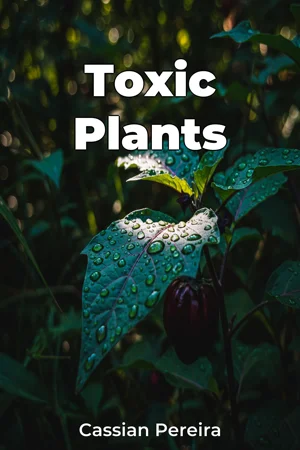
Are you aware that seemingly harmless plants in your garden or local park could pose a significant threat to your health? "Toxic Plants" serves as an essential guide to identifying poisonous plants, understanding their toxic effects on the human body, and administering appropriate first aid in cases of exposure. This book addresses the critical need for accessible information on plant toxicity, a subject of increasing importance given the rise in outdoor activities and the potential for accidental encounters with harmful flora. This book focuses on three key areas: plant identification, toxic mechanisms, and first aid protocols. Accurate identification is paramount, as many poisonous plants resemble edible or harmless species. Understanding how these toxins affect the body—whether through skin contact, ingestion, or inhalation—allows for a more informed response. Finally, knowing how to administer immediate first aid can significantly reduce the severity of symptoms and potentially save lives. The knowledge of poisonous plants has evolved through centuries of observation, folklore, and scientific investigation. From ancient herbal remedies to modern toxicology, understanding plant-based toxins has been crucial for survival and medicine. This book builds upon this foundation, integrating historical knowledge with current scientific findings. No specialized expertise is needed to understand the core concepts presented, although a general interest in botany or health sciences will be beneficial. The central argument of "Toxic Plants" is that knowledge is the most effective defense against plant-related poisonings. By providing a comprehensive resource for identifying dangerous plants and understanding their effects, this book empowers readers to protect themselves, their families, and their communities. It challenges the assumption that plant poisoning is a rare occurrence, highlighting its potential impact on individuals of all ages and backgrounds. The book begins with a detailed introduction to the principles of plant toxicology, covering the various types of toxins found in plants and their modes of action. It then progresses to a systematic identification guide, featuring detailed descriptions and photographs of common poisonous plants, organized by geographical region and botanical family. Subsequent sections explore the specific effects of these plants on different organ systems, including the skin, gastrointestinal tract, nervous system, and cardiovascular system. The book culminates in a practical guide to first aid, outlining step-by-step procedures for managing skin contact, ingestion, and allergic reactions, as well as guidance on when to seek professional medical attention. The information presented is supported by a combination of scientific research, clinical case studies, and expert consultations. Botanical databases, toxicological reports, and medical literature are all utilized to provide a well-rounded and evidence-based perspective. Original photographs and illustrations are included to aid in plant identification. This book draws connections to several interdisciplinary fields, including botany, toxicology, medicine, and environmental science. Understanding the ecological role of poisonous plants, for example, provides context for their distribution and potential for human exposure. Similarly, insights from medical toxicology inform the discussion of treatment options and long-term health outcomes. "Toxic Plants" distinguishes itself by its comprehensive and accessible approach. It avoids technical jargon where possible, presenting complex information in a clear and concise manner. The focus is on practical knowledge and actionable advice, making it a valuable resource for both lay readers and healthcare professionals. The book is intended for a broad audience, including gardeners, hikers, parents, pet owners, healthcare providers, and anyone interested in learning more about the potential dangers of plants. Its value lies in its ability to empower readers with the knowledge and skills necessary to prevent and manage plant-related poisonings, promoting safety and well-being. As a non-fiction health and science reference, this book adheres to the genre's emphasis on accuracy, objectivity, and evidence-based information. It avoids sensationalism or unsubstantiated claims, presenting a balanced and reliable account of plant toxicity. The scope of "Toxic Plants" is limited to the identification and management of poisonous plants that are commonly encountered in residential, recreational, or occupational settings. It does not delve into the intricacies of pharmaceutical uses of plant-derived compounds or the detailed mechanisms of every known plant toxin. The practical applications include the ability to identify and avoid poisonous plants in one's environment, administer appropriate first aid in case of exposure, and make informed decisions about seeking professional medical attention. While allergies to plants are mentioned, the book focuses on toxicity and not a comprehensive coverage of allergies. While there is general scientific consensus regarding the toxicity of many plants, ongoing debates exist regarding the specific mechanisms of action and the effectiveness of certain traditional remedies. These controversies are acknowledged and discussed in the book, with a focus on presenting evidence-based perspectives.
Are you aware that seemingly harmless plants in your garden or local park could pose a significant threat to your health? "Toxic Plants" serves as an essential guide to identifying poisonous plants, understanding their toxic effects on the human body, and administering appropriate first aid in cases of exposure. This book addresses the critical need for accessible information on plant toxicity, a subject of increasing importance given the rise in outdoor activities and the potential for accidental encounters with harmful flora. This book focuses on three key areas: plant identification, toxic mechanisms, and first aid protocols. Accurate identification is paramount, as many poisonous plants resemble edible or harmless species. Understanding how these toxins affect the body—whether through skin contact, ingestion, or inhalation—allows for a more informed response. Finally, knowing how to administer immediate first aid can significantly reduce the severity of symptoms and potentially save lives. The knowledge of poisonous plants has evolved through centuries of observation, folklore, and scientific investigation. From ancient herbal remedies to modern toxicology, understanding plant-based toxins has been crucial for survival and medicine. This book builds upon this foundation, integrating historical knowledge with current scientific findings. No specialized expertise is needed to understand the core concepts presented, although a general interest in botany or health sciences will be beneficial. The central argument of "Toxic Plants" is that knowledge is the most effective defense against plant-related poisonings. By providing a comprehensive resource for identifying dangerous plants and understanding their effects, this book empowers readers to protect themselves, their families, and their communities. It challenges the assumption that plant poisoning is a rare occurrence, highlighting its potential impact on individuals of all ages and backgrounds. The book begins with a detailed introduction to the principles of plant toxicology, covering the various types of toxins found in plants and their modes of action. It then progresses to a systematic identification guide, featuring detailed descriptions and photographs of common poisonous plants, organized by geographical region and botanical family. Subsequent sections explore the specific effects of these plants on different organ systems, including the skin, gastrointestinal tract, nervous system, and cardiovascular system. The book culminates in a practical guide to first aid, outlining step-by-step procedures for managing skin contact, ingestion, and allergic reactions, as well as guidance on when to seek professional medical attention. The information presented is supported by a combination of scientific research, clinical case studies, and expert consultations. Botanical databases, toxicological reports, and medical literature are all utilized to provide a well-rounded and evidence-based perspective. Original photographs and illustrations are included to aid in plant identification. This book draws connections to several interdisciplinary fields, including botany, toxicology, medicine, and environmental science. Understanding the ecological role of poisonous plants, for example, provides context for their distribution and potential for human exposure. Similarly, insights from medical toxicology inform the discussion of treatment options and long-term health outcomes. "Toxic Plants" distinguishes itself by its comprehensive and accessible approach. It avoids technical jargon where possible, presenting complex information in a clear and concise manner. The focus is on practical knowledge and actionable advice, making it a valuable resource for both lay readers and healthcare professionals. The book is intended for a broad audience, including gardeners, hikers, parents, pet owners, healthcare providers, and anyone interested in learning more about the potential dangers of plants. Its value lies in its ability to empower readers with the knowledge and skills necessary to prevent and manage plant-related poisonings, promoting safety and well-being. As a non-fiction health and science reference, this book adheres to the genre's emphasis on accuracy, objectivity, and evidence-based information. It avoids sensationalism or unsubstantiated claims, presenting a balanced and reliable account of plant toxicity. The scope of "Toxic Plants" is limited to the identification and management of poisonous plants that are commonly encountered in residential, recreational, or occupational settings. It does not delve into the intricacies of pharmaceutical uses of plant-derived compounds or the detailed mechanisms of every known plant toxin. The practical applications include the ability to identify and avoid poisonous plants in one's environment, administer appropriate first aid in case of exposure, and make informed decisions about seeking professional medical attention. While allergies to plants are mentioned, the book focuses on toxicity and not a comprehensive coverage of allergies. While there is general scientific consensus regarding the toxicity of many plants, ongoing debates exist regarding the specific mechanisms of action and the effectiveness of certain traditional remedies. These controversies are acknowledged and discussed in the book, with a focus on presenting evidence-based perspectives.
"Toxic Plants" is a vital guide illuminating the hidden dangers lurking within seemingly harmless flora. It addresses the critical need for understanding plant toxicity, especially given increased outdoor activities and potential encounters with harmful plants. Did you know that some poisonous plants closely resemble edible species, making accurate identification essential? The book emphasizes that knowledge is the best defense, empowering readers to protect themselves and their communities. The book uniquely integrates historical knowledge with current scientific findings, making complex information accessible. It systematically progresses from the principles of plant toxicology and a detailed identification guide, organized by region, to exploring the specific effects of toxins on various organ systems. It also offers a practical guide to first aid, outlining step-by-step procedures for managing exposure and advising when to seek professional medical attention. Understanding toxic mechanisms, such as how certain plant compounds disrupt cellular functions, allows for a more informed response to plant poisoning. By combining detailed descriptions, photographs, and evidence-based perspectives, "Toxic Plants" empowers readers to confidently identify poisonous plants, understand their effects, and administer appropriate first aid, promoting safety and well-being.
Book Details
ISBN
9788235279989
Publisher
Publifye AS
Your Licenses
You don't own any licenses for this book
Purchase a license below to unlock this book and download the EPUB.
Purchase License
Select a tier to unlock this book
Need bulk licensing?
Contact us for enterprise agreements.