
About This Book
How did illegal distilleries evolve from simple backyard operations into sophisticated, organized criminal enterprises, and how did this evolution shape American history and culture? "Moonshine History" delves into the captivating and often dangerous world of illicit alcohol production, from its humble beginnings to its complex role in shaping prohibition, organized crime, and the enduring allure of rebellious spirits. This book explores three critical themes: the technological evolution of moonshining, the socio-economic factors that fueled its growth, and its lasting impact on American identity. Understanding these themes provides insight into the resourcefulness of marginalized communities, the unintended consequences of government policies, and the complex relationship between law, culture, and individual freedom. Historically, moonshining emerged as a response to taxation and regulation, particularly in rural communities where distilling was a traditional craft and a vital economic activity. The imposition of federal taxes on alcohol after the Civil War ignited widespread resistance, transforming small-scale operations into a lucrative, albeit illegal, industry. The subsequent era of Prohibition further propelled the growth of moonshining, creating a massive demand for illicit alcohol and fostering the rise of organized crime. The central argument of "Moonshine History" is that moonshining is not merely a criminal activity but a complex phenomenon rooted in economic necessity, cultural identity, and resistance to authority. It highlights the ingenuity and resilience of those who defied the law, the social and economic forces that drove the trade, and the lasting impact of this illicit industry on American society. "Moonshine History" is structured to provide a comprehensive understanding of this multifaceted topic. It begins by tracing the origins of moonshining, examining the historical context and technological innovations that shaped its early development. The book then explores the impact of Prohibition, detailing the rise of organized crime, the challenges faced by law enforcement, and the cultural mythology that emerged around moonshining. Finally, it examines the legacy of moonshining, analyzing its enduring influence on popular culture, its impact on the legal alcohol industry, and its continued presence in certain regions of the country. This book relies on a variety of sources, including historical documents, government records, court transcripts, newspaper articles, and oral histories. Furthermore, it analyzes the chemical composition of moonshine and the improvements in the distilling process over time. This study connects to other fields, such as economics (the impact of taxation and regulation), sociology (the role of subcultures and resistance), and political science (the interplay between law, power, and social control). These interdisciplinary connections enhance the understanding of moonshining as a multifaceted phenomenon with far-reaching implications. "Moonshine History" offers a unique perspective by combining historical analysis with cultural insights, examining not only the mechanics of production and distribution but also the social and cultural meanings associated with this illicit activity. Written in a narrative non-fiction style, "Moonshine History" is designed to be accessible to a broad audience, including history enthusiasts, true crime aficionados, and anyone interested in American cultural history. It provides a compelling and informative account of a fascinating and often misunderstood aspect of the American past. The book focuses on the period from the late 19th century to the present day, primarily concentrating on the Southern United States, where moonshining has historically been most prevalent. While the book primarily focuses on the historical and cultural aspects of moonshining, it also acknowledges the real-world implications of illicit alcohol production, including the health risks associated with consuming unregulated spirits and the ongoing challenges faced by law enforcement in combating illegal distilleries. "Moonshine History" also addresses the ongoing debates surrounding alcohol regulation, the role of government in controlling personal behavior, and the balance between individual freedom and public safety. By exploring these controversies, this book invites readers to consider the complex and enduring legacy of moonshining in American society.
How did illegal distilleries evolve from simple backyard operations into sophisticated, organized criminal enterprises, and how did this evolution shape American history and culture? "Moonshine History" delves into the captivating and often dangerous world of illicit alcohol production, from its humble beginnings to its complex role in shaping prohibition, organized crime, and the enduring allure of rebellious spirits. This book explores three critical themes: the technological evolution of moonshining, the socio-economic factors that fueled its growth, and its lasting impact on American identity. Understanding these themes provides insight into the resourcefulness of marginalized communities, the unintended consequences of government policies, and the complex relationship between law, culture, and individual freedom. Historically, moonshining emerged as a response to taxation and regulation, particularly in rural communities where distilling was a traditional craft and a vital economic activity. The imposition of federal taxes on alcohol after the Civil War ignited widespread resistance, transforming small-scale operations into a lucrative, albeit illegal, industry. The subsequent era of Prohibition further propelled the growth of moonshining, creating a massive demand for illicit alcohol and fostering the rise of organized crime. The central argument of "Moonshine History" is that moonshining is not merely a criminal activity but a complex phenomenon rooted in economic necessity, cultural identity, and resistance to authority. It highlights the ingenuity and resilience of those who defied the law, the social and economic forces that drove the trade, and the lasting impact of this illicit industry on American society. "Moonshine History" is structured to provide a comprehensive understanding of this multifaceted topic. It begins by tracing the origins of moonshining, examining the historical context and technological innovations that shaped its early development. The book then explores the impact of Prohibition, detailing the rise of organized crime, the challenges faced by law enforcement, and the cultural mythology that emerged around moonshining. Finally, it examines the legacy of moonshining, analyzing its enduring influence on popular culture, its impact on the legal alcohol industry, and its continued presence in certain regions of the country. This book relies on a variety of sources, including historical documents, government records, court transcripts, newspaper articles, and oral histories. Furthermore, it analyzes the chemical composition of moonshine and the improvements in the distilling process over time. This study connects to other fields, such as economics (the impact of taxation and regulation), sociology (the role of subcultures and resistance), and political science (the interplay between law, power, and social control). These interdisciplinary connections enhance the understanding of moonshining as a multifaceted phenomenon with far-reaching implications. "Moonshine History" offers a unique perspective by combining historical analysis with cultural insights, examining not only the mechanics of production and distribution but also the social and cultural meanings associated with this illicit activity. Written in a narrative non-fiction style, "Moonshine History" is designed to be accessible to a broad audience, including history enthusiasts, true crime aficionados, and anyone interested in American cultural history. It provides a compelling and informative account of a fascinating and often misunderstood aspect of the American past. The book focuses on the period from the late 19th century to the present day, primarily concentrating on the Southern United States, where moonshining has historically been most prevalent. While the book primarily focuses on the historical and cultural aspects of moonshining, it also acknowledges the real-world implications of illicit alcohol production, including the health risks associated with consuming unregulated spirits and the ongoing challenges faced by law enforcement in combating illegal distilleries. "Moonshine History" also addresses the ongoing debates surrounding alcohol regulation, the role of government in controlling personal behavior, and the balance between individual freedom and public safety. By exploring these controversies, this book invites readers to consider the complex and enduring legacy of moonshining in American society.
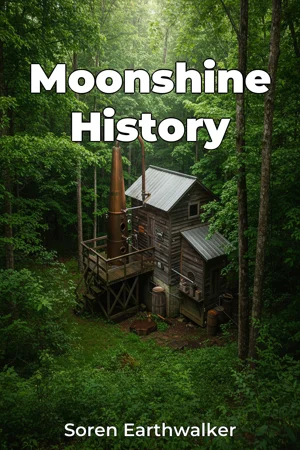
"Moonshine History" uncovers the hidden world of illicit alcohol production, exploring its evolution from simple backyard stills to complex, organized criminal enterprises. It examines the critical role moonshine played during Prohibition, fueling organized crime and sparking a cultural mythology of rebellious spirits. The book highlights how moonshining emerged as a form of resistance against taxation, particularly in the Southern United States, where distilling was a traditional craft. The book progresses chronologically, starting with the origins of moonshining and its early technological developments. It then delves into the Prohibition era, detailing the rise of organized crime and the challenges faced by law enforcement. Finally, it examines the lasting legacy of moonshining on popular culture. By combining historical analysis with cultural insights, this book offers a comprehensive understanding of moonshining's impact on American identity and the ongoing debates surrounding alcohol regulation.
Book Details
ISBN
9788235279859
Publisher
Publifye AS
Your Licenses
You don't own any licenses for this book
Purchase a license below to unlock this book and download the EPUB.
Purchase License
Select a tier to unlock this book
Need bulk licensing?
Contact us for enterprise agreements.