
About This Book
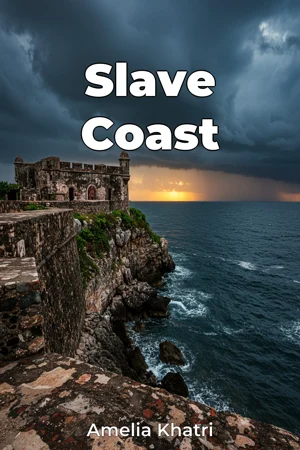
How did the forced migration of millions transform not only West Africa but also the world? "Slave Coast" unravels the complex history of the West African slave trade, exposing its devastating impact, highlighting the courageous resistance movements it provoked, and examining its enduring global repercussions. This book delves into the economic, social, and political forces that fueled this brutal system, challenging readers to confront its uncomfortable truths and long-lasting legacies. This book explores three critical themes: the mechanics of the trade itself, the profound societal ruptures it caused in West Africa, and the ways in which enslaved Africans actively resisted their bondage. Understanding these elements is crucial for comprehending the modern world, as the slave trade shaped global demographics, economic systems, and cultural landscapes in ways that continue to resonate today. The historical backdrop encompasses several centuries, from the initial Portuguese forays into West Africa in the 15th century to the gradual abolition of the trade in the 19th century. Readers will gain essential context about pre-colonial African societies, European expansionism, and the rise of plantation economies in the Americas. No prior expertise is required; the book provides clear explanations of key terms and concepts. "Slave Coast" argues that the West African slave trade was not simply a historical event but a transformative process that fundamentally altered the course of world history, creating enduring inequalities and shaping cultural identities on both sides of the Atlantic. By examining the trade from multiple perspectives – African, European, and enslaved – the book challenges traditional narratives and offers a more nuanced understanding of its complexities. The book begins by exploring the pre-existing systems of slavery within Africa, demonstrating how European involvement intensified and transformed these practices into a transatlantic enterprise. It then details the mechanics of the trade: the capture, transportation, and sale of enslaved Africans. Central chapters focus on the devastating consequences for West African societies, including demographic collapse, political instability, and economic disruption. The book also highlights the diverse forms of resistance employed by enslaved Africans, from subtle acts of sabotage to large-scale rebellions, demonstrating their agency in the face of unimaginable oppression. The concluding sections examine the long-term effects of the slave trade on both Africa and the diaspora, tracing its impact on contemporary issues such as racial inequality, economic development, and cultural identity. The book draws on a wide range of sources, including archival documents from European trading companies, accounts from African rulers and traders, narratives of formerly enslaved people, and archaeological evidence from slave trading sites along the West African coast. It also incorporates recent scholarship in the fields of African history, Atlantic history, and slavery studies. "Slave Coast" connects to several other disciplines, including economics (analyzing the trade's impact on global markets), sociology (examining its effects on social structures and racial hierarchies), and political science (exploring its influence on state formation and international relations). These interdisciplinary connections enrich the book's analysis and provide a more holistic understanding of the slave trade's significance. This book offers a fresh perspective by centering the experiences and perspectives of Africans, both those who were enslaved and those who participated in the trade. It moves beyond simplistic narratives of victimhood and villainy to explore the complex motivations and choices of individuals within a deeply unjust system. Written in a clear and accessible style, "Slave Coast" is intended for a broad audience, including students, general readers interested in history, and anyone seeking a deeper understanding of the roots of contemporary global issues. This book offers a valuable resource for educators and policymakers seeking to address the legacies of slavery and promote racial justice. As a work of history, the book adheres to the conventions of rigorous scholarship, providing detailed citations and supporting evidence for all claims. While the book aims to provide a comprehensive overview of the West African slave trade, it focuses primarily on the period from the 16th to the 19th centuries and concentrates on the major trading regions along the coast. The insights presented in "Slave Coast" have direct relevance to contemporary issues such as racial inequality, economic disparities, and the ongoing struggle for social justice. By understanding the historical roots of these problems, readers can gain a deeper appreciation for their complexity and work towards meaningful solutions. The study of the West African slave trade remains a subject of ongoing debate, particularly regarding the role of African elites in the trade and the extent of its impact on African development. This book engages with these debates, presenting different perspectives and encouraging readers to critically evaluate the evidence.
How did the forced migration of millions transform not only West Africa but also the world? "Slave Coast" unravels the complex history of the West African slave trade, exposing its devastating impact, highlighting the courageous resistance movements it provoked, and examining its enduring global repercussions. This book delves into the economic, social, and political forces that fueled this brutal system, challenging readers to confront its uncomfortable truths and long-lasting legacies. This book explores three critical themes: the mechanics of the trade itself, the profound societal ruptures it caused in West Africa, and the ways in which enslaved Africans actively resisted their bondage. Understanding these elements is crucial for comprehending the modern world, as the slave trade shaped global demographics, economic systems, and cultural landscapes in ways that continue to resonate today. The historical backdrop encompasses several centuries, from the initial Portuguese forays into West Africa in the 15th century to the gradual abolition of the trade in the 19th century. Readers will gain essential context about pre-colonial African societies, European expansionism, and the rise of plantation economies in the Americas. No prior expertise is required; the book provides clear explanations of key terms and concepts. "Slave Coast" argues that the West African slave trade was not simply a historical event but a transformative process that fundamentally altered the course of world history, creating enduring inequalities and shaping cultural identities on both sides of the Atlantic. By examining the trade from multiple perspectives – African, European, and enslaved – the book challenges traditional narratives and offers a more nuanced understanding of its complexities. The book begins by exploring the pre-existing systems of slavery within Africa, demonstrating how European involvement intensified and transformed these practices into a transatlantic enterprise. It then details the mechanics of the trade: the capture, transportation, and sale of enslaved Africans. Central chapters focus on the devastating consequences for West African societies, including demographic collapse, political instability, and economic disruption. The book also highlights the diverse forms of resistance employed by enslaved Africans, from subtle acts of sabotage to large-scale rebellions, demonstrating their agency in the face of unimaginable oppression. The concluding sections examine the long-term effects of the slave trade on both Africa and the diaspora, tracing its impact on contemporary issues such as racial inequality, economic development, and cultural identity. The book draws on a wide range of sources, including archival documents from European trading companies, accounts from African rulers and traders, narratives of formerly enslaved people, and archaeological evidence from slave trading sites along the West African coast. It also incorporates recent scholarship in the fields of African history, Atlantic history, and slavery studies. "Slave Coast" connects to several other disciplines, including economics (analyzing the trade's impact on global markets), sociology (examining its effects on social structures and racial hierarchies), and political science (exploring its influence on state formation and international relations). These interdisciplinary connections enrich the book's analysis and provide a more holistic understanding of the slave trade's significance. This book offers a fresh perspective by centering the experiences and perspectives of Africans, both those who were enslaved and those who participated in the trade. It moves beyond simplistic narratives of victimhood and villainy to explore the complex motivations and choices of individuals within a deeply unjust system. Written in a clear and accessible style, "Slave Coast" is intended for a broad audience, including students, general readers interested in history, and anyone seeking a deeper understanding of the roots of contemporary global issues. This book offers a valuable resource for educators and policymakers seeking to address the legacies of slavery and promote racial justice. As a work of history, the book adheres to the conventions of rigorous scholarship, providing detailed citations and supporting evidence for all claims. While the book aims to provide a comprehensive overview of the West African slave trade, it focuses primarily on the period from the 16th to the 19th centuries and concentrates on the major trading regions along the coast. The insights presented in "Slave Coast" have direct relevance to contemporary issues such as racial inequality, economic disparities, and the ongoing struggle for social justice. By understanding the historical roots of these problems, readers can gain a deeper appreciation for their complexity and work towards meaningful solutions. The study of the West African slave trade remains a subject of ongoing debate, particularly regarding the role of African elites in the trade and the extent of its impact on African development. This book engages with these debates, presenting different perspectives and encouraging readers to critically evaluate the evidence.
"Slave Coast" explores the West African slave trade, a transformative process that shaped global demographics and economic systems. The book examines the mechanics of this brutal system, the societal ruptures it caused in West Africa, and the courageous resistance movements it provoked. From the 15th to the 19th centuries, the forced migration of millions had devastating impacts and long-lasting legacies. This history is crucial for comprehending the modern world, as the slave trade created enduring inequalities and shaped cultural identities. The book delves into the economic, social, and political forces that fueled the trade, challenging readers to confront its uncomfortable truths. For example, the rise of plantation economies in the Americas directly correlates to the intensification of the slave trade. By examining the trade from multiple perspectives – African, European, and enslaved – "Slave Coast" offers a more nuanced understanding of its complexities. It begins by exploring pre-existing systems of slavery within Africa and progresses to detailing the capture, transportation, and sale of enslaved Africans. The central chapters of "Slave Coast" focus on the devastating consequences for West African societies, including demographic collapse and economic disruption. The book also highlights the diverse forms of resistance employed by enslaved Africans, demonstrating their agency. Concluding sections examine the long-term effects of the transatlantic slave trade on both Africa and the African diaspora, tracing its impact on contemporary issues such as racial inequality and social justice.
Book Details
ISBN
9788235279538
Publisher
Publifye AS
Your Licenses
You don't own any licenses for this book
Purchase a license below to unlock this book and download the EPUB.
Purchase License
Select a tier to unlock this book
Need bulk licensing?
Contact us for enterprise agreements.