
About This Book
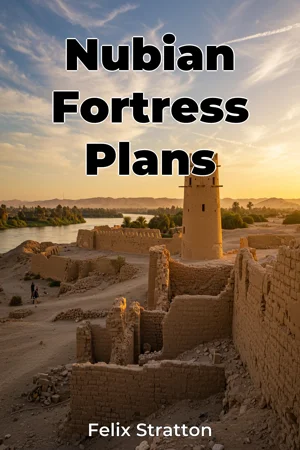
Can the strategic brilliance of ancient military architecture still offer lessons for today's world? "Nubian Fortress Plans" delves into the meticulously designed fortresses that lined the Nile River, revealing not just structures of defense, but complex systems of power, control, and adaptation in a challenging landscape. This book examines the design and defensive logic behind Nubian fortresses, emphasizing location, layout, and tactical advantage. It is vital to understand these fortifications because they represent a sophisticated response to threats and demonstrate the ingenuity of Nubian society in asserting its dominance and protecting its resources. This book will primarily cover the strategic placement of fortresses along the Nile, the internal layouts of these fortresses, and the tactical advantages these features provided to the Nubian defenders. The Nile River was the lifeblood of ancient Nubia, and control over it was paramount. Fortresses were not merely defensive structures; they were instruments of control, communication, and resource management. By examining their designs, we gain insight into the Nubian military and social strategies. The historical context of Nubia, situated between Egypt and sub-Saharan Africa, is crucial. Nubia faced constant threats from its powerful northern neighbor and internal conflicts. Understanding this environment helps explain the need for such robust defensive systems. The reader will benefit from a basic understanding of ancient Egyptian and Nubian history, as well as knowledge of military tactics and architectural concepts. The central argument of "Nubian Fortress Plans" is that the Nubian fortresses were not simply imitations of Egyptian designs, but rather represented a distinct and highly effective adaptation of military architecture tailored to the specific geography, resources, and threats faced by Nubia. This argument challenges previous assumptions about Nubian dependence on Egyptian innovation and emphasizes the independent development of Nubian military engineering. The book is organized into four major sections. First, the introduction lays the historical foundation, outlining the political and environmental challenges faced by Nubia. It sets the stage by introducing the key features of Nubian fortresses. This section details the types of evidence used to reconstruct fortress plans, including archaeological surveys, excavation reports, and textual sources. Second, it analyzes the location of the fortresses, explaining how geographical features like cataracts, islands, and river bends were incorporated into the defensive strategies. Third, it dissects the layout of the fortresses, examining the walls, towers, gates, and internal structures, revealing how each element contributed to the overall defense. Fourth, it assesses the tactical advantages offered by these features, demonstrating how the fortresses allowed the Nubians to control movement along the Nile, monitor enemy activity, and project their power. The argument culminates in a discussion of how Nubian fortress design influenced later military architecture in the region. The evidence presented in this book relies heavily on archaeological data from sites such as Buhen, Mirgissa, and Semna. These unique data sources, combined with analysis of Egyptian and Nubian texts, provide a comprehensive understanding of the fortresses. Archaeological methodologies employed include spatial analysis of fortress layouts, material analysis of construction materials, and comparative studies of different fortress types. This book's exploration of military architecture connects to broader fields such as political science (how fortresses project state power), sociology (how fortresses influenced social organization within Nubian society), and geography (how the environment shaped fortress design). These connections enhance the book's argument by demonstrating the multi-faceted role of fortresses in Nubian society. What distinguishes "Nubian Fortress Plans" is its focus on the Nubian perspective. By examining how Nubians adapted and innovated in their military architecture, the book provides a fresh and more nuanced understanding of ancient warfare and society. The tone of the book is academic yet accessible, aiming to present complex information in a clear and engaging manner. The writing style combines detailed analysis with vivid descriptions to bring the fortresses and the world they inhabited to life. The target audience includes military history enthusiasts, students of ancient history, archaeologists, and anyone interested in defensive architecture and ancient civilizations. This book is valuable because it fills a gap in the existing literature by providing a comprehensive analysis of Nubian fortresses. As a work of military history, this book provides detailed descriptions of fortifications, troop movements, and siege tactics. As a work of world history, it places Nubia within the broader context of ancient civilizations and their interactions. The scope of the book is limited to the Nubian fortresses built along the Nile River during the Middle Kingdom and New Kingdom periods. It does not attempt to cover all aspects of Nubian history or military organization. While we might not build fortresses in the same way today, the principles of strategic placement, layered defense, and resource control remain relevant in modern military and security contexts. Ongoing debates exist regarding the degree of Egyptian influence on Nubian culture. This book contributes to this debate by arguing that while influence was present, the Nubians developed their own distinct military architecture suited to their unique circumstances.
Can the strategic brilliance of ancient military architecture still offer lessons for today's world? "Nubian Fortress Plans" delves into the meticulously designed fortresses that lined the Nile River, revealing not just structures of defense, but complex systems of power, control, and adaptation in a challenging landscape. This book examines the design and defensive logic behind Nubian fortresses, emphasizing location, layout, and tactical advantage. It is vital to understand these fortifications because they represent a sophisticated response to threats and demonstrate the ingenuity of Nubian society in asserting its dominance and protecting its resources. This book will primarily cover the strategic placement of fortresses along the Nile, the internal layouts of these fortresses, and the tactical advantages these features provided to the Nubian defenders. The Nile River was the lifeblood of ancient Nubia, and control over it was paramount. Fortresses were not merely defensive structures; they were instruments of control, communication, and resource management. By examining their designs, we gain insight into the Nubian military and social strategies. The historical context of Nubia, situated between Egypt and sub-Saharan Africa, is crucial. Nubia faced constant threats from its powerful northern neighbor and internal conflicts. Understanding this environment helps explain the need for such robust defensive systems. The reader will benefit from a basic understanding of ancient Egyptian and Nubian history, as well as knowledge of military tactics and architectural concepts. The central argument of "Nubian Fortress Plans" is that the Nubian fortresses were not simply imitations of Egyptian designs, but rather represented a distinct and highly effective adaptation of military architecture tailored to the specific geography, resources, and threats faced by Nubia. This argument challenges previous assumptions about Nubian dependence on Egyptian innovation and emphasizes the independent development of Nubian military engineering. The book is organized into four major sections. First, the introduction lays the historical foundation, outlining the political and environmental challenges faced by Nubia. It sets the stage by introducing the key features of Nubian fortresses. This section details the types of evidence used to reconstruct fortress plans, including archaeological surveys, excavation reports, and textual sources. Second, it analyzes the location of the fortresses, explaining how geographical features like cataracts, islands, and river bends were incorporated into the defensive strategies. Third, it dissects the layout of the fortresses, examining the walls, towers, gates, and internal structures, revealing how each element contributed to the overall defense. Fourth, it assesses the tactical advantages offered by these features, demonstrating how the fortresses allowed the Nubians to control movement along the Nile, monitor enemy activity, and project their power. The argument culminates in a discussion of how Nubian fortress design influenced later military architecture in the region. The evidence presented in this book relies heavily on archaeological data from sites such as Buhen, Mirgissa, and Semna. These unique data sources, combined with analysis of Egyptian and Nubian texts, provide a comprehensive understanding of the fortresses. Archaeological methodologies employed include spatial analysis of fortress layouts, material analysis of construction materials, and comparative studies of different fortress types. This book's exploration of military architecture connects to broader fields such as political science (how fortresses project state power), sociology (how fortresses influenced social organization within Nubian society), and geography (how the environment shaped fortress design). These connections enhance the book's argument by demonstrating the multi-faceted role of fortresses in Nubian society. What distinguishes "Nubian Fortress Plans" is its focus on the Nubian perspective. By examining how Nubians adapted and innovated in their military architecture, the book provides a fresh and more nuanced understanding of ancient warfare and society. The tone of the book is academic yet accessible, aiming to present complex information in a clear and engaging manner. The writing style combines detailed analysis with vivid descriptions to bring the fortresses and the world they inhabited to life. The target audience includes military history enthusiasts, students of ancient history, archaeologists, and anyone interested in defensive architecture and ancient civilizations. This book is valuable because it fills a gap in the existing literature by providing a comprehensive analysis of Nubian fortresses. As a work of military history, this book provides detailed descriptions of fortifications, troop movements, and siege tactics. As a work of world history, it places Nubia within the broader context of ancient civilizations and their interactions. The scope of the book is limited to the Nubian fortresses built along the Nile River during the Middle Kingdom and New Kingdom periods. It does not attempt to cover all aspects of Nubian history or military organization. While we might not build fortresses in the same way today, the principles of strategic placement, layered defense, and resource control remain relevant in modern military and security contexts. Ongoing debates exist regarding the degree of Egyptian influence on Nubian culture. This book contributes to this debate by arguing that while influence was present, the Nubians developed their own distinct military architecture suited to their unique circumstances.
"Nubian Fortress Plans" explores the sophisticated military architecture of Nubian fortresses along the Nile River, revealing their strategic importance in ancient warfare and society. These fortresses weren't mere defensive structures; they served as instruments of control, communication, and resource management. One intriguing aspect is how the Nubians adapted their designs to the unique geography, such as utilizing cataracts and islands for enhanced defense, showcasing their ingenuity in the face of constant threats from Egypt and internal conflicts. The book argues that Nubian fortresses represent a distinct adaptation of military architecture, tailored to their specific environment and challenges, rather than simple imitations of Egyptian designs. By examining the strategic placement, internal layouts, and tactical advantages of these fortresses, the book provides a detailed analysis of Nubian military and social strategies. The book progresses from establishing the historical foundation to analyzing fortress locations, dissecting layouts, and assessing tactical advantages, relying on archaeological data from sites like Buhen and Mirgissa to support its claims.
Book Details
ISBN
9788235279279
Publisher
Publifye AS
Your Licenses
You don't own any licenses for this book
Purchase a license below to unlock this book and download the EPUB.
Purchase License
Select a tier to unlock this book
Need bulk licensing?
Contact us for enterprise agreements.