
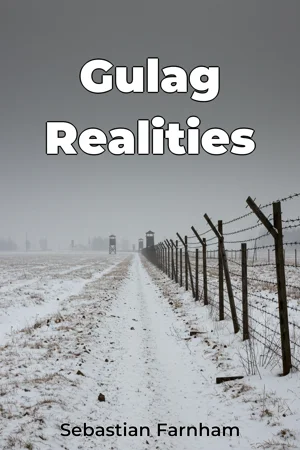
About This Book
How could a nation dedicated, at least in theory, to the equality of all men, operate a vast network of forced labor camps responsible for the suffering and deaths of millions? 'Gulag Realities' delves into the heart of the Soviet Gulag system, exposing the brutal living conditions, the devastating impact on political prisoners, and the long-lasting scars left on Soviet society. This book examines not only the physical horrors of the camps but also the psychological and political mechanisms that allowed such a system to flourish. The book addresses two key topics: the systemic nature of forced labor within the Soviet economy and the dehumanization process inflicted on prisoners. The Gulag was not merely a collection of prisons; it was an integral part of the Soviet economic structure, providing cheap labor for resource extraction, construction, and heavy industry. Understanding this economic function is crucial to understanding the system's longevity. Moreover, the book investigates the methods used to strip prisoners of their identities and dignity, turning them into expendable tools of the state. The historical backdrop is crucial. The rise of the Gulag system is inextricably linked to the Bolshevik Revolution, the subsequent civil war, and the consolidation of power under Stalin. The drive for rapid industrialization, coupled with political purges and the suppression of dissent, created the conditions in which the Gulag could expand and thrive. Readers will need to understand the basic tenets of Marxist-Leninist ideology and the totalitarian nature of Stalinist rule to fully grasp the Gulag's context. 'Gulag Realities' argues that the Gulag system was not an aberration but a logical, if horrific, consequence of Soviet ideology and political practices. The drive for absolute control, combined with a disregard for individual human rights in the name of the collective good, led directly to the establishment and maintenance of the camps. This argument is vital because it challenges simplistic narratives that portray the Gulag as merely the product of Stalin's personal cruelty. The book unfolds in a structured manner. It begins by introducing the historical and ideological roots of the Gulag, tracing its evolution from the early post-revolutionary period to its peak under Stalin. It then examines the daily realities of life within the camps, detailing the harsh living conditions, the brutal treatment of prisoners, and the constant struggle for survival. A significant portion of the book is dedicated to exploring the experiences of political prisoners, highlighting the diverse backgrounds and motivations of those targeted by the regime. Finally, the book analyzes the long-term impact of the Gulag on Soviet society, examining its role in shaping collective memory, political culture, and national identity. The book relies on a variety of sources, including archival documents from Soviet-era archives, personal memoirs of former Gulag prisoners, and scholarly analyses of the Soviet penal system. It draws upon unique datasets, such as prisoner demographics and mortality rates, to provide a quantitative analysis of the Gulag's impact. 'Gulag Realities' connects to fields such as political science, sociology, and human rights studies. Its analysis of totalitarian regimes and the mechanisms of political repression is relevant to understanding contemporary challenges to democracy and human rights around the world. It also connects to sociological studies of trauma and collective memory, exploring how societies grapple with legacies of violence and oppression. This book offers a unique perspective by focusing on the intersection of economic exploitation, political repression, and individual human experience within the Gulag system. It moves beyond a purely narrative account to provide a comprehensive analysis of the system's structure, function, and impact. The tone is scholarly and analytical, maintaining objectivity while acknowledging the human cost of the Gulag. The target audience includes students, academics, and general readers interested in Soviet history, political science, and human rights. The book would be valuable to anyone seeking a deeper understanding of the Gulag system and its continuing relevance to contemporary political and social issues. As a work of history, it strives for accuracy, objectivity, and a nuanced understanding of complex events. The book covers the Gulag system from its inception to its gradual dismantling in the post-Stalin era, with a particular focus on the Stalinist period. While it acknowledges the experiences of all Gulag prisoners, it gives special attention to the plight of political prisoners due to their disproportionate suffering and their role in challenging the regime. The information in 'Gulag Realities' can be applied to contemporary discussions of human rights, political accountability, and transitional justice. It provides insights into the dangers of unchecked state power and the importance of safeguarding individual freedoms. The book engages with ongoing debates about the legacy of the Soviet Union, addressing questions about the scale of repression, the motivations of the perpetrators, and the long-term consequences for Russian society.
How could a nation dedicated, at least in theory, to the equality of all men, operate a vast network of forced labor camps responsible for the suffering and deaths of millions? 'Gulag Realities' delves into the heart of the Soviet Gulag system, exposing the brutal living conditions, the devastating impact on political prisoners, and the long-lasting scars left on Soviet society. This book examines not only the physical horrors of the camps but also the psychological and political mechanisms that allowed such a system to flourish. The book addresses two key topics: the systemic nature of forced labor within the Soviet economy and the dehumanization process inflicted on prisoners. The Gulag was not merely a collection of prisons; it was an integral part of the Soviet economic structure, providing cheap labor for resource extraction, construction, and heavy industry. Understanding this economic function is crucial to understanding the system's longevity. Moreover, the book investigates the methods used to strip prisoners of their identities and dignity, turning them into expendable tools of the state. The historical backdrop is crucial. The rise of the Gulag system is inextricably linked to the Bolshevik Revolution, the subsequent civil war, and the consolidation of power under Stalin. The drive for rapid industrialization, coupled with political purges and the suppression of dissent, created the conditions in which the Gulag could expand and thrive. Readers will need to understand the basic tenets of Marxist-Leninist ideology and the totalitarian nature of Stalinist rule to fully grasp the Gulag's context. 'Gulag Realities' argues that the Gulag system was not an aberration but a logical, if horrific, consequence of Soviet ideology and political practices. The drive for absolute control, combined with a disregard for individual human rights in the name of the collective good, led directly to the establishment and maintenance of the camps. This argument is vital because it challenges simplistic narratives that portray the Gulag as merely the product of Stalin's personal cruelty. The book unfolds in a structured manner. It begins by introducing the historical and ideological roots of the Gulag, tracing its evolution from the early post-revolutionary period to its peak under Stalin. It then examines the daily realities of life within the camps, detailing the harsh living conditions, the brutal treatment of prisoners, and the constant struggle for survival. A significant portion of the book is dedicated to exploring the experiences of political prisoners, highlighting the diverse backgrounds and motivations of those targeted by the regime. Finally, the book analyzes the long-term impact of the Gulag on Soviet society, examining its role in shaping collective memory, political culture, and national identity. The book relies on a variety of sources, including archival documents from Soviet-era archives, personal memoirs of former Gulag prisoners, and scholarly analyses of the Soviet penal system. It draws upon unique datasets, such as prisoner demographics and mortality rates, to provide a quantitative analysis of the Gulag's impact. 'Gulag Realities' connects to fields such as political science, sociology, and human rights studies. Its analysis of totalitarian regimes and the mechanisms of political repression is relevant to understanding contemporary challenges to democracy and human rights around the world. It also connects to sociological studies of trauma and collective memory, exploring how societies grapple with legacies of violence and oppression. This book offers a unique perspective by focusing on the intersection of economic exploitation, political repression, and individual human experience within the Gulag system. It moves beyond a purely narrative account to provide a comprehensive analysis of the system's structure, function, and impact. The tone is scholarly and analytical, maintaining objectivity while acknowledging the human cost of the Gulag. The target audience includes students, academics, and general readers interested in Soviet history, political science, and human rights. The book would be valuable to anyone seeking a deeper understanding of the Gulag system and its continuing relevance to contemporary political and social issues. As a work of history, it strives for accuracy, objectivity, and a nuanced understanding of complex events. The book covers the Gulag system from its inception to its gradual dismantling in the post-Stalin era, with a particular focus on the Stalinist period. While it acknowledges the experiences of all Gulag prisoners, it gives special attention to the plight of political prisoners due to their disproportionate suffering and their role in challenging the regime. The information in 'Gulag Realities' can be applied to contemporary discussions of human rights, political accountability, and transitional justice. It provides insights into the dangers of unchecked state power and the importance of safeguarding individual freedoms. The book engages with ongoing debates about the legacy of the Soviet Union, addressing questions about the scale of repression, the motivations of the perpetrators, and the long-term consequences for Russian society.
"Gulag Realities" explores the Soviet Gulag system, a network of forced labor camps, and its devastating impact on Soviet society. The book examines how a state, built on the premise of equality, could operate such a brutal system of political repression. It delves into the Gulag's role within the Soviet economy, highlighting how it was an integral part of resource extraction and heavy industry. Furthermore, the book investigates the dehumanization process inflicted on prisoners, stripping them of their identities and turning them into expendable tools of the state. The book argues that the Gulag system was not an aberration but a consequence of Soviet ideology and political practices. It reveals the historical and ideological roots of the Gulag, tracing its evolution from the Bolshevik Revolution to its peak under Stalin. A significant portion of the book explores the daily realities of life within the camps, detailing the harsh living conditions and the brutal treatment of political prisoners. The book unfolds in a structured manner, beginning with the historical context and progressing to the experiences within the camps and the long-term impact on Soviet society. By drawing upon archival documents, memoirs, and scholarly analyses, "Gulag Realities" offers a comprehensive understanding of the Gulag's structure, function, and lasting consequences, making it valuable for students, academics, and anyone interested in Soviet history and human rights.
Book Details
ISBN
9788235279194
Publisher
Publifye AS
Your Licenses
You don't own any licenses for this book
Purchase a license below to unlock this book and download the EPUB.
Purchase License
Select a tier to unlock this book
Need bulk licensing?
Contact us for enterprise agreements.