
About This Book
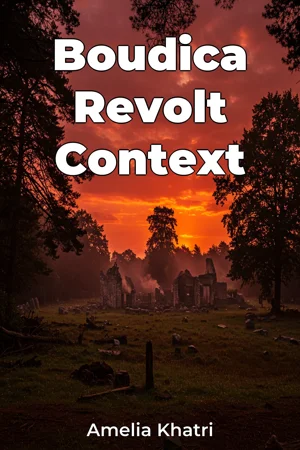
What ignited the flames of rebellion in the heart of ancient Britain, and how did the Roman Empire, at its zenith, respond to such defiance? "Boudica Revolt Context" delves into the intricate web of causes that culminated in the Boudican revolt of 60/61 AD, led by the formidable Iceni queen, and examines the Roman strategies employed to quell the uprising. This book offers a comprehensive analysis of the socio-political climate of Roman Britain, the specific grievances of the Iceni tribe, and the brutal realities of imperial control. At the core of this study are three pivotal themes: Firstly, the nature of Roman expansion and governance in Britain, focusing on the transition from client kingdoms to direct rule and the inherent tensions this process engendered. Secondly, the cultural and social dynamics between the Roman colonizers and the native British population, examining issues of land confiscation, economic exploitation, and the suppression of indigenous traditions. Thirdly, the military strategies and political decisions made by both the Iceni and the Romans during the revolt, analyzing the factors that contributed to the initial successes of Boudica's forces and the eventual Roman victory. These topics are vital as they illuminate the complex interactions between colonizer and colonized, highlighting the often-overlooked perspectives of the indigenous population and the long-lasting consequences of imperial ambition. The book argues that the Boudican revolt was not merely a spontaneous outburst of violence, but rather the inevitable consequence of systemic Roman injustices and a failure to understand or respect the cultural and political autonomy of the British tribes. It posits that the revolt, while ultimately unsuccessful, served as a powerful symbol of resistance against Roman domination and had a significant impact on the subsequent development of Roman Britain. "Boudica Revolt Context" is structured to provide a clear and methodical exploration of this pivotal historical event. It begins by establishing the historical backdrop of Roman Britain, detailing the initial Roman invasion under Claudius and the establishment of Roman rule. It then pivots to an in-depth examination of Iceni society and the specific grievances that fueled their rebellion, including the abuse of power by Roman officials and the violation of Iceni territory. The book subsequently provides a detailed narrative of the revolt itself, meticulously tracing the movements of Boudica's forces and analyzing the key battles and turning points. Finally, it assesses the long-term consequences of the revolt on both the Iceni and Roman Britain, exploring the changes in Roman policy and the enduring legacy of Boudica as a symbol of British resistance. The analysis presented is supported by a range of evidence, including archaeological findings, Roman historical accounts (primarily those of Tacitus and Dio Cassius), and epigraphic evidence. The book critically evaluates these sources, acknowledging their inherent biases and limitations, and seeks to provide a balanced and nuanced interpretation of the available evidence. This study also connects to broader themes in post-colonial studies and the history of resistance movements, offering insights into the dynamics of cultural conflict and the enduring struggle for self-determination. Furthermore, it touches upon aspects of gender studies, exploring the role of Boudica as a female leader in a patriarchal society, and military history, analyzing the tactics and strategies employed by both sides in the conflict. "Boudica Revolt Context" offers a fresh perspective by focusing on the underlying causes of the revolt and the long-term consequences for both the Romans and the Britons. While many works concentrate on the dramatic events of the revolt itself, this book delves deeper into the social, economic, and political factors that made such an uprising possible. Written in an accessible yet scholarly style, this book is intended for anyone interested in Roman history, British history, or the history of colonialism and resistance. It will be of value to students, academics, and general readers seeking a deeper understanding of this pivotal period in British history. While the book provides a comprehensive overview of the Boudican revolt, it acknowledges certain limitations in scope. It primarily focuses on the Iceni revolt and does not delve extensively into other contemporary uprisings in Roman Britain. This focus allows for a more in-depth analysis of the causes and consequences of the Iceni rebellion. The lessons from the Boudican revolt remain relevant today, offering insights into the challenges of managing cultural diversity, the dangers of unchecked imperial power, and the enduring human desire for freedom and self-determination. The events discussed in this book serve as a reminder of the importance of understanding the perspectives of marginalized groups and the potential consequences of ignoring their grievances.
What ignited the flames of rebellion in the heart of ancient Britain, and how did the Roman Empire, at its zenith, respond to such defiance? "Boudica Revolt Context" delves into the intricate web of causes that culminated in the Boudican revolt of 60/61 AD, led by the formidable Iceni queen, and examines the Roman strategies employed to quell the uprising. This book offers a comprehensive analysis of the socio-political climate of Roman Britain, the specific grievances of the Iceni tribe, and the brutal realities of imperial control. At the core of this study are three pivotal themes: Firstly, the nature of Roman expansion and governance in Britain, focusing on the transition from client kingdoms to direct rule and the inherent tensions this process engendered. Secondly, the cultural and social dynamics between the Roman colonizers and the native British population, examining issues of land confiscation, economic exploitation, and the suppression of indigenous traditions. Thirdly, the military strategies and political decisions made by both the Iceni and the Romans during the revolt, analyzing the factors that contributed to the initial successes of Boudica's forces and the eventual Roman victory. These topics are vital as they illuminate the complex interactions between colonizer and colonized, highlighting the often-overlooked perspectives of the indigenous population and the long-lasting consequences of imperial ambition. The book argues that the Boudican revolt was not merely a spontaneous outburst of violence, but rather the inevitable consequence of systemic Roman injustices and a failure to understand or respect the cultural and political autonomy of the British tribes. It posits that the revolt, while ultimately unsuccessful, served as a powerful symbol of resistance against Roman domination and had a significant impact on the subsequent development of Roman Britain. "Boudica Revolt Context" is structured to provide a clear and methodical exploration of this pivotal historical event. It begins by establishing the historical backdrop of Roman Britain, detailing the initial Roman invasion under Claudius and the establishment of Roman rule. It then pivots to an in-depth examination of Iceni society and the specific grievances that fueled their rebellion, including the abuse of power by Roman officials and the violation of Iceni territory. The book subsequently provides a detailed narrative of the revolt itself, meticulously tracing the movements of Boudica's forces and analyzing the key battles and turning points. Finally, it assesses the long-term consequences of the revolt on both the Iceni and Roman Britain, exploring the changes in Roman policy and the enduring legacy of Boudica as a symbol of British resistance. The analysis presented is supported by a range of evidence, including archaeological findings, Roman historical accounts (primarily those of Tacitus and Dio Cassius), and epigraphic evidence. The book critically evaluates these sources, acknowledging their inherent biases and limitations, and seeks to provide a balanced and nuanced interpretation of the available evidence. This study also connects to broader themes in post-colonial studies and the history of resistance movements, offering insights into the dynamics of cultural conflict and the enduring struggle for self-determination. Furthermore, it touches upon aspects of gender studies, exploring the role of Boudica as a female leader in a patriarchal society, and military history, analyzing the tactics and strategies employed by both sides in the conflict. "Boudica Revolt Context" offers a fresh perspective by focusing on the underlying causes of the revolt and the long-term consequences for both the Romans and the Britons. While many works concentrate on the dramatic events of the revolt itself, this book delves deeper into the social, economic, and political factors that made such an uprising possible. Written in an accessible yet scholarly style, this book is intended for anyone interested in Roman history, British history, or the history of colonialism and resistance. It will be of value to students, academics, and general readers seeking a deeper understanding of this pivotal period in British history. While the book provides a comprehensive overview of the Boudican revolt, it acknowledges certain limitations in scope. It primarily focuses on the Iceni revolt and does not delve extensively into other contemporary uprisings in Roman Britain. This focus allows for a more in-depth analysis of the causes and consequences of the Iceni rebellion. The lessons from the Boudican revolt remain relevant today, offering insights into the challenges of managing cultural diversity, the dangers of unchecked imperial power, and the enduring human desire for freedom and self-determination. The events discussed in this book serve as a reminder of the importance of understanding the perspectives of marginalized groups and the potential consequences of ignoring their grievances.
"Boudica Revolt Context" explores the uprising led by the Iceni queen against Roman rule in 60/61 AD, revealing the complex factors that fueled such resistance. The book delves into the socio-political climate of Roman Britain, examining the transition from client kingdoms to direct Roman rule and the resulting tensions. It highlights the cultural and social clashes between the Roman colonizers and the native Britons, including land confiscation and suppression of indigenous traditions. This study argues that the Boudican revolt was not a spontaneous act but a consequence of systemic Roman injustices. The book meticulously explores the historical backdrop, focusing on the initial Roman invasion and the grievances of the Iceni tribe. It then narrates the revolt itself, analyzing key battles and turning points, before assessing the revolt's long-term consequences. Through archaeological findings and Roman historical accounts, the book offers a balanced interpretation of events, shedding light on the dynamics of colonialism and the struggle for self-determination. What sets this book apart is its focus on the underlying causes of the revolt and the enduring impact on both the Romans and the Britons. Unlike other works that emphasize the dramatic events, "Boudica Revolt Context" provides a comprehensive analysis of the social, economic, and political factors that enabled the uprising. By examining these elements, the book offers valuable insights into the challenges of managing cultural diversity and the consequences of unchecked power.
Book Details
ISBN
9788235279156
Publisher
Publifye AS
Your Licenses
You don't own any licenses for this book
Purchase a license below to unlock this book and download the EPUB.
Purchase License
Select a tier to unlock this book
Need bulk licensing?
Contact us for enterprise agreements.