
About This Book
Why do empires, seemingly invincible, crumble from within? *Imperial Uprisings* delves into the heart of rebellions that have challenged and reshaped empires throughout history. This book examines the anatomy of these uprisings, the complex motivations of their leaders, and the lasting consequences for global power dynamics. We investigate the successes and failures of resistance movements, analyzing the factors that determine whether a rebellion becomes a revolution or fades into historical obscurity. This book addresses three central questions: What conditions foster widespread rebellion against imperial rule? What strategies and tactics are most effective for insurgents facing a powerful empire? How do these uprisings impact the long-term trajectory of both the empire and the regions they occur in? These questions are crucial because understanding the dynamics of imperial resistance allows us to better comprehend contemporary conflicts and the forces driving political change around the world. The backdrop consists of centuries of imperial expansion, consolidation, and eventual decline. From the Roman Empire to the British Empire, powerful states have exerted influence across vast territories, extracting resources and imposing their political will. However, this dominance has consistently been challenged by those who resist imperial control, leading to a recurring cycle of rebellion and repression. No prior knowledge is needed, but familiarity with basic concepts of empire and colonialism will be beneficial. The central thesis of *Imperial Uprisings* is that internal rebellions, while often unsuccessful in their immediate goals, serve as critical catalysts for the transformation of empires and the reorganization of global power. The very act of resistance exposes inherent weaknesses within the imperial structure, forcing adaptation or accelerating decline. The book is structured to provide a comprehensive analysis of imperial uprisings. Part one introduces the framework for analyzing rebellions, defining key terms and establishing a typology of resistance movements. Part two examines case studies of specific rebellions against different empires, including but not limited to, the Boxer Rebellion in China, the revolt of Spartacus against Rome, and the Maji Maji Rebellion in German East Africa. Each chapter will analyze the rebellion's causes, leadership, strategies, and ultimate outcome, supported by primary source excerpts and secondary scholarly analyses. Part three synthesizes the findings from these case studies to identify common patterns and overarching trends. It explores the role of ideology, economic grievances, social divisions, and external support in shaping the course of rebellions. The conclusion analyzes the long-term consequences of imperial uprisings, assessing their impact on the political landscape, social structures, and cultural identities of both the empire and the affected regions. It also explores the continuing relevance of these historical struggles in the context of contemporary anti-imperial movements. The analysis presented is based on a wide range of sources, including official imperial records, rebel manifestos, eyewitness accounts, archaeological evidence, and anthropological studies. The book draws upon interdisciplinary perspectives from history, political science, sociology, and anthropology to provide a nuanced understanding of the complex factors that drive imperial uprisings. *Imperial Uprisings* connects to contemporary studies of political violence, postcolonial theory, and international relations, offering valuable insights into the dynamics of power, resistance, and global change. By examining how rebellions have shaped the course of history, this book provides a fresh perspective on the ongoing struggle for self-determination and the challenges of building a more just and equitable world. This book takes a comparative approach, examining uprisings across different historical contexts and imperial systems to identify common patterns and unique characteristics. This allows for a more nuanced understanding of the dynamics of imperial resistance than would be possible through a purely case study-based approach. The book adopts a balanced and objective tone, presenting evidence and arguments in a clear and accessible manner. While acknowledging the inherent injustices of imperial rule, it also seeks to understand the complex motivations and strategies of both the rebels and the imperial authorities. The writing style is engaging and informative, aiming to appeal to a broad audience of readers interested in history, politics, and global affairs. The primary audience includes students, scholars, and general readers interested in world history, military history, and political science. The book is valuable to those seeking a deeper understanding of the forces that have shaped the modern world and the ongoing struggle for self-determination. As a work of military and world history, *Imperial Uprisings* adheres to the genre's expectations of rigorous research, clear argumentation, and attention to historical context. It provides detailed accounts of specific rebellions, analyzing their military strategies and political objectives within the broader context of imperial history. The scope of the book is limited to internal rebellions against established empires, excluding interstate wars and colonial independence movements led by settled populations. This focus allows for a more in-depth analysis of the specific dynamics of imperial resistance and their impact on global history. The lessons offered by *Imperial Uprisings* have real-world applications for policymakers, activists, and anyone interested in understanding the dynamics of power and resistance. By studying the successes and failures of past rebellions, we can gain valuable insights into the challenges of building a more just and equitable world. The study of imperial uprisings is often fraught with controversy, with competing interpretations of the causes, legitimacy, and consequences of these struggles. This book acknowledges these debates, presenting different perspectives and encouraging critical thinking about the complex issues involved.
Why do empires, seemingly invincible, crumble from within? *Imperial Uprisings* delves into the heart of rebellions that have challenged and reshaped empires throughout history. This book examines the anatomy of these uprisings, the complex motivations of their leaders, and the lasting consequences for global power dynamics. We investigate the successes and failures of resistance movements, analyzing the factors that determine whether a rebellion becomes a revolution or fades into historical obscurity. This book addresses three central questions: What conditions foster widespread rebellion against imperial rule? What strategies and tactics are most effective for insurgents facing a powerful empire? How do these uprisings impact the long-term trajectory of both the empire and the regions they occur in? These questions are crucial because understanding the dynamics of imperial resistance allows us to better comprehend contemporary conflicts and the forces driving political change around the world. The backdrop consists of centuries of imperial expansion, consolidation, and eventual decline. From the Roman Empire to the British Empire, powerful states have exerted influence across vast territories, extracting resources and imposing their political will. However, this dominance has consistently been challenged by those who resist imperial control, leading to a recurring cycle of rebellion and repression. No prior knowledge is needed, but familiarity with basic concepts of empire and colonialism will be beneficial. The central thesis of *Imperial Uprisings* is that internal rebellions, while often unsuccessful in their immediate goals, serve as critical catalysts for the transformation of empires and the reorganization of global power. The very act of resistance exposes inherent weaknesses within the imperial structure, forcing adaptation or accelerating decline. The book is structured to provide a comprehensive analysis of imperial uprisings. Part one introduces the framework for analyzing rebellions, defining key terms and establishing a typology of resistance movements. Part two examines case studies of specific rebellions against different empires, including but not limited to, the Boxer Rebellion in China, the revolt of Spartacus against Rome, and the Maji Maji Rebellion in German East Africa. Each chapter will analyze the rebellion's causes, leadership, strategies, and ultimate outcome, supported by primary source excerpts and secondary scholarly analyses. Part three synthesizes the findings from these case studies to identify common patterns and overarching trends. It explores the role of ideology, economic grievances, social divisions, and external support in shaping the course of rebellions. The conclusion analyzes the long-term consequences of imperial uprisings, assessing their impact on the political landscape, social structures, and cultural identities of both the empire and the affected regions. It also explores the continuing relevance of these historical struggles in the context of contemporary anti-imperial movements. The analysis presented is based on a wide range of sources, including official imperial records, rebel manifestos, eyewitness accounts, archaeological evidence, and anthropological studies. The book draws upon interdisciplinary perspectives from history, political science, sociology, and anthropology to provide a nuanced understanding of the complex factors that drive imperial uprisings. *Imperial Uprisings* connects to contemporary studies of political violence, postcolonial theory, and international relations, offering valuable insights into the dynamics of power, resistance, and global change. By examining how rebellions have shaped the course of history, this book provides a fresh perspective on the ongoing struggle for self-determination and the challenges of building a more just and equitable world. This book takes a comparative approach, examining uprisings across different historical contexts and imperial systems to identify common patterns and unique characteristics. This allows for a more nuanced understanding of the dynamics of imperial resistance than would be possible through a purely case study-based approach. The book adopts a balanced and objective tone, presenting evidence and arguments in a clear and accessible manner. While acknowledging the inherent injustices of imperial rule, it also seeks to understand the complex motivations and strategies of both the rebels and the imperial authorities. The writing style is engaging and informative, aiming to appeal to a broad audience of readers interested in history, politics, and global affairs. The primary audience includes students, scholars, and general readers interested in world history, military history, and political science. The book is valuable to those seeking a deeper understanding of the forces that have shaped the modern world and the ongoing struggle for self-determination. As a work of military and world history, *Imperial Uprisings* adheres to the genre's expectations of rigorous research, clear argumentation, and attention to historical context. It provides detailed accounts of specific rebellions, analyzing their military strategies and political objectives within the broader context of imperial history. The scope of the book is limited to internal rebellions against established empires, excluding interstate wars and colonial independence movements led by settled populations. This focus allows for a more in-depth analysis of the specific dynamics of imperial resistance and their impact on global history. The lessons offered by *Imperial Uprisings* have real-world applications for policymakers, activists, and anyone interested in understanding the dynamics of power and resistance. By studying the successes and failures of past rebellions, we can gain valuable insights into the challenges of building a more just and equitable world. The study of imperial uprisings is often fraught with controversy, with competing interpretations of the causes, legitimacy, and consequences of these struggles. This book acknowledges these debates, presenting different perspectives and encouraging critical thinking about the complex issues involved.
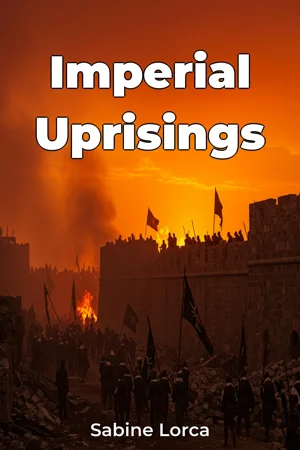
*Imperial Uprisings* explores the internal rebellions that have challenged and reshaped empires throughout history, examining why seemingly invincible empires crumble from within. It investigates the motivations of rebel leaders, the strategies they employed, and the lasting impact these uprisings had on global power dynamics. The book highlights that resistance movements, even when unsuccessful in their immediate goals, expose inherent weaknesses in imperial structures, forcing adaptation or accelerating decline. For example, the book delves into uprisings like the Boxer Rebellion in China, the revolt of Spartacus against Rome, and the Maji Maji Rebellion in German East Africa, illustrating the recurring cycle of rebellion and repression. The book is structured to comprehensively analyze imperial uprisings. It begins by establishing a framework for understanding rebellions, then examines specific case studies, and synthesizes findings to identify common patterns. The book uses a comparative approach, drawing upon official records, rebel manifestos, and interdisciplinary perspectives to offer a nuanced understanding of the complex factors driving these uprisings. Ultimately, *Imperial Uprisings* provides a fresh perspective on the ongoing struggle for self-determination and the challenges of building a more just world, connecting historical struggles to contemporary anti-imperial movements.
Book Details
ISBN
9788235279118
Publisher
Publifye AS
Your Licenses
You don't own any licenses for this book
Purchase a license below to unlock this book and download the EPUB.
Purchase License
Select a tier to unlock this book
Need bulk licensing?
Contact us for enterprise agreements.