
About This Book
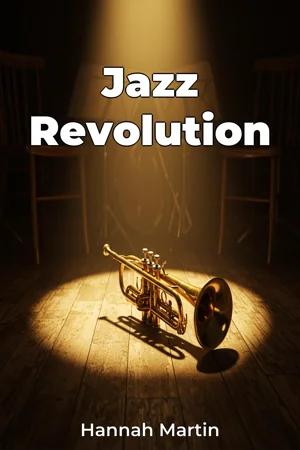
How did a uniquely American art form not only redefine music but also challenge the very foundations of American society? "Jazz Revolution" explores the genesis of jazz music in the United States, its profound cultural impact, and the visionary musicians who reshaped the music industry forever. We will delve into the intricate relationship between jazz and the social landscape of the early 20th century, examining its role in the burgeoning Civil Rights movement and its challenge to racial segregation. The story of jazz is more than just a musical history; it's a narrative of cultural transformation, artistic innovation, and social change. This book examines three key interconnected themes: the formative years of jazz, the music's pervasive influence on American culture, and the stories of the individuals who propelled the genre forward. Understanding the historical context of jazz is essential. Born in the crucible of New Orleans at the turn of the 20th century, jazz emerged from a fusion of African and European musical traditions, shaped by a complex interplay of factors including slavery, Reconstruction, and the rise of Jim Crow laws. This music became a powerful form of expression for African Americans, reflecting their experiences, aspirations, and struggles. Our central argument is that jazz, from its inception, was not merely an art form but a revolutionary force that challenged the racial and cultural status quo in America. This argument is significant because it reframes jazz from a purely musical genre to a cultural phenomenon with deep social and political roots. "Jazz Revolution" unfolds in a structured manner. We begin by tracing the origins of jazz in New Orleans, examining its roots in blues, ragtime, and spirituals. We then explore the spread of jazz to other major cities like Chicago, Kansas City, and New York, highlighting the unique styles that emerged in each location. The book then profiles some of the most influential figures in jazz history, including Louis Armstrong, Duke Ellington, Charlie Parker, and Miles Davis, analyzing their musical innovations and their impact on the broader culture. Finally, we consider the legacy of jazz in the 21st century, examining its continued relevance and influence on contemporary music. The book's arguments are supported by a wide range of primary and secondary sources, including archival recordings, sheet music, personal letters, and historical accounts. We also draw on a wealth of scholarly research in musicology, history, and sociology to provide a comprehensive and nuanced analysis of jazz. "Jazz Revolution" also connects to other fields such as African American studies, sociology, and political science, offering insights into the social, cultural, and political dynamics of the 20th-century United States. By examining the intersection of music, race, and politics, we offer a fresh perspective on American history. This book stands out due to its interdisciplinary approach and its focus on the revolutionary aspects of jazz. Rather than simply chronicling the history of the music, we analyze its role in challenging social norms and promoting cultural change. The tone of the book is scholarly yet accessible, aiming to engage both academic readers and general audiences interested in music, history, and culture. The writing style is clear, concise, and engaging, avoiding jargon and technical terms whenever possible. The target audience includes students, scholars, and anyone interested in American music, history, and culture. This book offers valuable insights into the origins and evolution of jazz, its cultural significance, and its lasting legacy. As a work of music history, "Jazz Revolution" adheres to the conventions of the genre by providing detailed accounts of musical styles, historical events, and biographical information. However, it also moves beyond traditional music history by exploring the broader social and cultural context of jazz. The scope of the book is limited to the history of jazz in the United States, with a focus on the 20th century. While we acknowledge the global influence of jazz, our primary focus is on its American origins and development. The information in this book can be applied practically by readers interested in understanding the cultural significance of music, the history of race relations in the United States, and the dynamics of social change. It also provides valuable insights for musicians, educators, and anyone interested in exploring the rich and complex history of jazz. The book addresses ongoing debates in the field of jazz studies, such as the role of improvisation, the relationship between jazz and popular music, and the question of cultural appropriation. By engaging with these debates, we offer a critical and nuanced perspective on the history of jazz.
How did a uniquely American art form not only redefine music but also challenge the very foundations of American society? "Jazz Revolution" explores the genesis of jazz music in the United States, its profound cultural impact, and the visionary musicians who reshaped the music industry forever. We will delve into the intricate relationship between jazz and the social landscape of the early 20th century, examining its role in the burgeoning Civil Rights movement and its challenge to racial segregation. The story of jazz is more than just a musical history; it's a narrative of cultural transformation, artistic innovation, and social change. This book examines three key interconnected themes: the formative years of jazz, the music's pervasive influence on American culture, and the stories of the individuals who propelled the genre forward. Understanding the historical context of jazz is essential. Born in the crucible of New Orleans at the turn of the 20th century, jazz emerged from a fusion of African and European musical traditions, shaped by a complex interplay of factors including slavery, Reconstruction, and the rise of Jim Crow laws. This music became a powerful form of expression for African Americans, reflecting their experiences, aspirations, and struggles. Our central argument is that jazz, from its inception, was not merely an art form but a revolutionary force that challenged the racial and cultural status quo in America. This argument is significant because it reframes jazz from a purely musical genre to a cultural phenomenon with deep social and political roots. "Jazz Revolution" unfolds in a structured manner. We begin by tracing the origins of jazz in New Orleans, examining its roots in blues, ragtime, and spirituals. We then explore the spread of jazz to other major cities like Chicago, Kansas City, and New York, highlighting the unique styles that emerged in each location. The book then profiles some of the most influential figures in jazz history, including Louis Armstrong, Duke Ellington, Charlie Parker, and Miles Davis, analyzing their musical innovations and their impact on the broader culture. Finally, we consider the legacy of jazz in the 21st century, examining its continued relevance and influence on contemporary music. The book's arguments are supported by a wide range of primary and secondary sources, including archival recordings, sheet music, personal letters, and historical accounts. We also draw on a wealth of scholarly research in musicology, history, and sociology to provide a comprehensive and nuanced analysis of jazz. "Jazz Revolution" also connects to other fields such as African American studies, sociology, and political science, offering insights into the social, cultural, and political dynamics of the 20th-century United States. By examining the intersection of music, race, and politics, we offer a fresh perspective on American history. This book stands out due to its interdisciplinary approach and its focus on the revolutionary aspects of jazz. Rather than simply chronicling the history of the music, we analyze its role in challenging social norms and promoting cultural change. The tone of the book is scholarly yet accessible, aiming to engage both academic readers and general audiences interested in music, history, and culture. The writing style is clear, concise, and engaging, avoiding jargon and technical terms whenever possible. The target audience includes students, scholars, and anyone interested in American music, history, and culture. This book offers valuable insights into the origins and evolution of jazz, its cultural significance, and its lasting legacy. As a work of music history, "Jazz Revolution" adheres to the conventions of the genre by providing detailed accounts of musical styles, historical events, and biographical information. However, it also moves beyond traditional music history by exploring the broader social and cultural context of jazz. The scope of the book is limited to the history of jazz in the United States, with a focus on the 20th century. While we acknowledge the global influence of jazz, our primary focus is on its American origins and development. The information in this book can be applied practically by readers interested in understanding the cultural significance of music, the history of race relations in the United States, and the dynamics of social change. It also provides valuable insights for musicians, educators, and anyone interested in exploring the rich and complex history of jazz. The book addresses ongoing debates in the field of jazz studies, such as the role of improvisation, the relationship between jazz and popular music, and the question of cultural appropriation. By engaging with these debates, we offer a critical and nuanced perspective on the history of jazz.
"Jazz Revolution" explores how jazz music, born from a blend of African and European traditions in early 20th-century New Orleans, became a powerful force for social change in America. This book examines the music's formative years and its pervasive influence on American culture, highlighting the visionary musicians who propelled the genre forward. Rather than merely chronicling the history of the music, the book analyzes jazz's role in challenging social norms and promoting cultural change. For instance, jazz became a powerful form of expression for African Americans during the Civil Rights movement, reflecting their experiences and aspirations. The book argues that jazz was not just an art form but a revolutionary force challenging racial and cultural norms. Beginning with the roots of jazz in blues, ragtime, and spirituals, "Jazz Revolution" traces its spread to cities like Chicago, Kansas City, and New York, each developing unique styles. The book profiles influential figures like Louis Armstrong and Duke Ellington, analyzing their musical innovations and cultural impact. By examining the intersection of music, race, and politics, the book offers a fresh perspective on American history and the enduring legacy of jazz in the 21st century.
Book Details
ISBN
9788235278517
Publisher
Publifye AS
Your Licenses
You don't own any licenses for this book
Purchase a license below to unlock this book and download the EPUB.
Purchase License
Select a tier to unlock this book
Need bulk licensing?
Contact us for enterprise agreements.