
About This Book
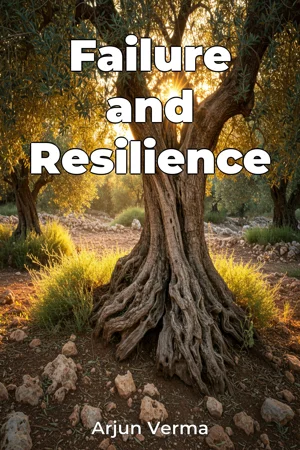
What if our failures are not roadblocks, but rather stepping stones to profound personal growth and spiritual understanding? This book, "Failure and Resilience," delves into the transformative power of adversity, examining how failure, a seemingly negative experience, can be a catalyst for building resilience and shaping character. We explore this vital connection through the combined lenses of psychological resilience theories and the enduring example of Jesus Christ's perseverance through trials. This exploration reveals valuable insights applicable to both personal and spiritual development. The core of this book revolves around three key topics: the psychology of resilience, the nature of failure, and the embodiment of resilience in Jesus' life. Understanding psychological resilience – the ability to bounce back from difficult experiences – provides a scientific framework for understanding how individuals cope with setbacks. Examining the multifaceted nature of failure helps us move beyond the stigma associated with it and recognize its potential for learning and growth. Finally, analyzing Jesus' responses to adversity, as depicted in religious texts, offers a compelling model for navigating challenges with strength and grace. "Failure and Resilience" argues that embracing failure as an integral part of the human experience is essential for cultivating true resilience and developing a stronger moral compass. We contend that effective coping mechanisms, grounded in psychological principles and inspired by spiritual examples, can empower individuals to not only withstand adversity, but also emerge from it with enhanced character and purpose. The book is structured in three parts. First, we introduce the foundational concepts of failure and resilience, examining their definitions, characteristics, and psychological underpinnings. We draw upon established psychological theories, such as cognitive behavioral therapy and positive psychology, to explain the mechanisms through which individuals develop resilience. Second, we explore various instances of failure and suffering in Jesus' life, analyzing his responses through a resilience-focused lens. This section considers his strength in the face of betrayal, unfounded accusations, and the ultimate sacrifice, highlighting his unwavering faith and commitment. Third, we integrate these psychological and spiritual perspectives to offer practical strategies for cultivating resilience in everyday life. This includes techniques for reframing negative thoughts, developing coping mechanisms, and fostering a sense of purpose. The evidence presented in this book comes from multiple streams. We analyze key psychological research on resilience, including studies on individuals who have overcome significant adversity. We also draw upon scriptural analysis and theological interpretations of Jesus' life, examining specific events and teachings that demonstrate his resilience. Furthermore, we incorporate case studies and real-life examples to illustrate how the principles of resilience can be applied in diverse contexts. "Failure and Resilience" makes connections to several fields, including theology, counseling, and leadership studies. The theological aspect provides a spiritual framework for understanding suffering and finding meaning in difficult experiences. The connection to counseling highlights the therapeutic applications of resilience-building strategies. Finally, the link to leadership studies explores how resilient leaders inspire and guide others through challenging times. This book stands out by offering a unique integration of psychological science and religious perspectives on resilience. While many books address these topics separately, "Failure and Resilience" bridges the gap between them, providing a holistic understanding of how individuals can develop the strength to overcome adversity. Written in a clear and accessible style, the book is intended for a broad audience, including individuals seeking personal growth, those interested in psychology and theology, and anyone facing challenges in their lives. It offers valuable insights and practical tools for building resilience and finding meaning in the face of adversity. The scope of this book focuses specifically on the intersection of psychological resilience and the example of Jesus, without delving into comprehensive analyses of other religious figures or broader theological debates. Ultimately, "Failure and Resilience" empowers readers to transform their understanding of failure, viewing it not as a defeat, but as an opportunity for growth, resilience, and the development of enduring character.
What if our failures are not roadblocks, but rather stepping stones to profound personal growth and spiritual understanding? This book, "Failure and Resilience," delves into the transformative power of adversity, examining how failure, a seemingly negative experience, can be a catalyst for building resilience and shaping character. We explore this vital connection through the combined lenses of psychological resilience theories and the enduring example of Jesus Christ's perseverance through trials. This exploration reveals valuable insights applicable to both personal and spiritual development. The core of this book revolves around three key topics: the psychology of resilience, the nature of failure, and the embodiment of resilience in Jesus' life. Understanding psychological resilience – the ability to bounce back from difficult experiences – provides a scientific framework for understanding how individuals cope with setbacks. Examining the multifaceted nature of failure helps us move beyond the stigma associated with it and recognize its potential for learning and growth. Finally, analyzing Jesus' responses to adversity, as depicted in religious texts, offers a compelling model for navigating challenges with strength and grace. "Failure and Resilience" argues that embracing failure as an integral part of the human experience is essential for cultivating true resilience and developing a stronger moral compass. We contend that effective coping mechanisms, grounded in psychological principles and inspired by spiritual examples, can empower individuals to not only withstand adversity, but also emerge from it with enhanced character and purpose. The book is structured in three parts. First, we introduce the foundational concepts of failure and resilience, examining their definitions, characteristics, and psychological underpinnings. We draw upon established psychological theories, such as cognitive behavioral therapy and positive psychology, to explain the mechanisms through which individuals develop resilience. Second, we explore various instances of failure and suffering in Jesus' life, analyzing his responses through a resilience-focused lens. This section considers his strength in the face of betrayal, unfounded accusations, and the ultimate sacrifice, highlighting his unwavering faith and commitment. Third, we integrate these psychological and spiritual perspectives to offer practical strategies for cultivating resilience in everyday life. This includes techniques for reframing negative thoughts, developing coping mechanisms, and fostering a sense of purpose. The evidence presented in this book comes from multiple streams. We analyze key psychological research on resilience, including studies on individuals who have overcome significant adversity. We also draw upon scriptural analysis and theological interpretations of Jesus' life, examining specific events and teachings that demonstrate his resilience. Furthermore, we incorporate case studies and real-life examples to illustrate how the principles of resilience can be applied in diverse contexts. "Failure and Resilience" makes connections to several fields, including theology, counseling, and leadership studies. The theological aspect provides a spiritual framework for understanding suffering and finding meaning in difficult experiences. The connection to counseling highlights the therapeutic applications of resilience-building strategies. Finally, the link to leadership studies explores how resilient leaders inspire and guide others through challenging times. This book stands out by offering a unique integration of psychological science and religious perspectives on resilience. While many books address these topics separately, "Failure and Resilience" bridges the gap between them, providing a holistic understanding of how individuals can develop the strength to overcome adversity. Written in a clear and accessible style, the book is intended for a broad audience, including individuals seeking personal growth, those interested in psychology and theology, and anyone facing challenges in their lives. It offers valuable insights and practical tools for building resilience and finding meaning in the face of adversity. The scope of this book focuses specifically on the intersection of psychological resilience and the example of Jesus, without delving into comprehensive analyses of other religious figures or broader theological debates. Ultimately, "Failure and Resilience" empowers readers to transform their understanding of failure, viewing it not as a defeat, but as an opportunity for growth, resilience, and the development of enduring character.
"Failure and Resilience" explores how adversity can be a catalyst for profound personal and spiritual growth, uniquely blending psychological resilience theories with the example of Jesus Christ. It examines the nature of failure, emphasizing its potential for learning and character development, rather than viewing it as a purely negative experience. The book highlights the importance of effective coping mechanisms, drawing from both psychological principles and spiritual insights, to empower individuals to not only withstand trials but also emerge stronger. A key insight reveals is how embracing failure helps cultivate resilience and a stronger moral compass. The book is structured in three parts, progressing from defining failure and resilience through a psychological lens, to analyzing Jesus' responses to adversity, like his strength during betrayal, and finally integrating these perspectives to offer practical strategies for cultivating resilience in everyday life. Readers will discover techniques for reframing negative thoughts and fostering a sense of purpose. By connecting theology, counseling, and leadership studies, the book offers a holistic understanding of resilience, making it invaluable for those seeking personal growth or facing life's challenges.
Book Details
ISBN
9788235278425
Publisher
Publifye AS
Your Licenses
You don't own any licenses for this book
Purchase a license below to unlock this book and download the EPUB.
Purchase License
Select a tier to unlock this book
Need bulk licensing?
Contact us for enterprise agreements.