
About This Book
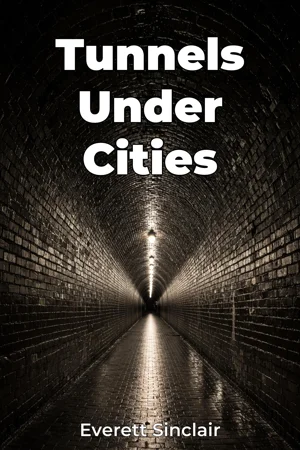
Have you ever wondered what lies beneath the bustling city streets we traverse every day? "Tunnels Under Cities" delves into the hidden world of subterranean passageways, examining their crucial roles in urban development throughout history and into the present day. This book explores the diverse functions of these tunnels, from fundamental infrastructure and transportation arteries to defensive fortifications and clandestine routes, revealing their surprising impact on the shaping and functioning of cities worldwide. This book centers on three core themes: the evolution of tunnel construction techniques, the functional diversity of urban tunnels, and the socio-political implications of their existence. Each theme is vital for understanding how these underground networks have become integral, yet often unseen, components of urban life. Historically, tunnels have served as essential conduits for water management, sanitation, and, later, transportation. The book examines the engineering marvels of ancient aqueducts, medieval sewers, and the pioneering subway systems of the 19th and 20th centuries. Socially, these subterranean spaces have impacted public health, economic development, and even political power dynamics, influencing the growth patterns and resilience of urban centers. "Tunnels Under Cities" argues that these underground networks represent a critical, yet frequently overlooked, dimension of urban infrastructure and history. By connecting physical spaces and facilitating essential services, tunnels have consistently enabled urban growth, influenced social structures, and provided strategic advantages. The book is structured into three major sections. The first section introduces the foundational principles of tunnel engineering and explores the historical progression of tunneling methods, from ancient hand-dug passages to modern mechanized boring techniques. The second section analyzes the diverse applications of tunnels in urban environments, examining specific case studies of transportation tunnels (subways, road tunnels), utility tunnels (water, sewage, power), and specialized tunnels (military, storage). The final section explores the broader socio-political implications of tunnels, including their role in urban planning, emergency preparedness, and even clandestine activities. The book draws upon a wide array of evidence, combining historical documents, architectural plans, engineering reports, and archaeological findings. It also incorporates contemporary case studies and examples from around the world, providing a global perspective on the development and utilization of urban tunnels. The study of tunnels inherently connects architecture, engineering, and history. Furthermore, the book touches on aspects of urban planning, sociology, and political science. By considering these interdisciplinary connections, "Tunnels Under Cities" provides a holistic understanding of its subject matter. "Tunnels Under Cities" offers a unique perspective by integrating technical details with socio-historical analyses, highlighting the complex interplay between engineering innovation and urban development. Rather than simply focusing on engineering feats, the book explores the broader consequences of these subterranean systems, including their impact on communities and their role in shaping the urban landscape. The book adopts a fact-based, accessible, and informative tone. It aims to present complex information in a clear and engaging manner, making it suitable for a broad audience. The target audience includes students and professionals in architecture, engineering, urban planning, and history, as well as general readers interested in urban development and infrastructure. It will be valuable to anyone seeking a comprehensive understanding of the unseen systems that underpin modern cities. As a work of non-fiction, "Tunnels Under Cities" adheres to the genre's conventions of accuracy, objectivity, and thorough research and provides meticulously sourced information and comprehensive analyses. The book focuses primarily on tunnels within established urban areas, intentionally limiting its scope to exclude purely rural or mining-related tunnels. While acknowledging the importance of these other types of underground spaces, the book concentrates on the specific context of urban environments and their impact on people. The knowledge gained from "Tunnels Under Cities" can be applied to various practical fields, including urban planning, infrastructure management, and emergency response. Understanding the existing tunnel networks and their vulnerabilities is crucial for developing effective urban resilience strategies. The book explores some of the ongoing debates surrounding tunnel construction such as the environmental impact of large-scale tunneling projects, the equitable distribution of infrastructure benefits, and the security implications of underground networks. "Tunnels Under Cities" promises to unveil a hidden world beneath our feet, providing a comprehensive and engaging exploration of these vital, yet often overlooked, components of urban life.
Have you ever wondered what lies beneath the bustling city streets we traverse every day? "Tunnels Under Cities" delves into the hidden world of subterranean passageways, examining their crucial roles in urban development throughout history and into the present day. This book explores the diverse functions of these tunnels, from fundamental infrastructure and transportation arteries to defensive fortifications and clandestine routes, revealing their surprising impact on the shaping and functioning of cities worldwide. This book centers on three core themes: the evolution of tunnel construction techniques, the functional diversity of urban tunnels, and the socio-political implications of their existence. Each theme is vital for understanding how these underground networks have become integral, yet often unseen, components of urban life. Historically, tunnels have served as essential conduits for water management, sanitation, and, later, transportation. The book examines the engineering marvels of ancient aqueducts, medieval sewers, and the pioneering subway systems of the 19th and 20th centuries. Socially, these subterranean spaces have impacted public health, economic development, and even political power dynamics, influencing the growth patterns and resilience of urban centers. "Tunnels Under Cities" argues that these underground networks represent a critical, yet frequently overlooked, dimension of urban infrastructure and history. By connecting physical spaces and facilitating essential services, tunnels have consistently enabled urban growth, influenced social structures, and provided strategic advantages. The book is structured into three major sections. The first section introduces the foundational principles of tunnel engineering and explores the historical progression of tunneling methods, from ancient hand-dug passages to modern mechanized boring techniques. The second section analyzes the diverse applications of tunnels in urban environments, examining specific case studies of transportation tunnels (subways, road tunnels), utility tunnels (water, sewage, power), and specialized tunnels (military, storage). The final section explores the broader socio-political implications of tunnels, including their role in urban planning, emergency preparedness, and even clandestine activities. The book draws upon a wide array of evidence, combining historical documents, architectural plans, engineering reports, and archaeological findings. It also incorporates contemporary case studies and examples from around the world, providing a global perspective on the development and utilization of urban tunnels. The study of tunnels inherently connects architecture, engineering, and history. Furthermore, the book touches on aspects of urban planning, sociology, and political science. By considering these interdisciplinary connections, "Tunnels Under Cities" provides a holistic understanding of its subject matter. "Tunnels Under Cities" offers a unique perspective by integrating technical details with socio-historical analyses, highlighting the complex interplay between engineering innovation and urban development. Rather than simply focusing on engineering feats, the book explores the broader consequences of these subterranean systems, including their impact on communities and their role in shaping the urban landscape. The book adopts a fact-based, accessible, and informative tone. It aims to present complex information in a clear and engaging manner, making it suitable for a broad audience. The target audience includes students and professionals in architecture, engineering, urban planning, and history, as well as general readers interested in urban development and infrastructure. It will be valuable to anyone seeking a comprehensive understanding of the unseen systems that underpin modern cities. As a work of non-fiction, "Tunnels Under Cities" adheres to the genre's conventions of accuracy, objectivity, and thorough research and provides meticulously sourced information and comprehensive analyses. The book focuses primarily on tunnels within established urban areas, intentionally limiting its scope to exclude purely rural or mining-related tunnels. While acknowledging the importance of these other types of underground spaces, the book concentrates on the specific context of urban environments and their impact on people. The knowledge gained from "Tunnels Under Cities" can be applied to various practical fields, including urban planning, infrastructure management, and emergency response. Understanding the existing tunnel networks and their vulnerabilities is crucial for developing effective urban resilience strategies. The book explores some of the ongoing debates surrounding tunnel construction such as the environmental impact of large-scale tunneling projects, the equitable distribution of infrastructure benefits, and the security implications of underground networks. "Tunnels Under Cities" promises to unveil a hidden world beneath our feet, providing a comprehensive and engaging exploration of these vital, yet often overlooked, components of urban life.
"Tunnels Under Cities" explores the fascinating world beneath our feet, revealing how urban tunnels have shaped cities throughout history. This book examines the evolution of these underground networks, from ancient aqueducts providing essential water to the modern subway systems that facilitate daily commutes. Discover how something as seemingly simple as a tunnel has influenced urban growth, impacted public health, and even played a role in political power dynamics. The book delves into the core themes of tunnel construction, functional diversity, and socio-political implications, presenting a holistic view of these subterranean spaces. It explores how tunnel engineering has progressed over time, analyzing the diverse applications of tunnels from transportation to utility systems and specialized uses. By integrating technical details with socio-historical analyses, "Tunnels Under Cities" offers a unique perspective on the complex interplay between engineering innovation and urban development. Structured into three major sections, the book first introduces the principles of tunnel engineering and its historical progression. It then analyzes the various applications of tunnels in urban environments through case studies. Finally, it explores the broader socio-political implications of tunnels, including their role in urban planning and emergency preparedness. This approach ensures a comprehensive understanding of how tunnels have become integral, though often unseen, components of urban life.
Book Details
ISBN
9788235278388
Publisher
Publifye AS
Your Licenses
You don't own any licenses for this book
Purchase a license below to unlock this book and download the EPUB.
Purchase License
Select a tier to unlock this book
Need bulk licensing?
Contact us for enterprise agreements.