
About This Book
Have you ever wondered how many brilliant ideas throughout history ended up as spectacular failures, monuments to misplaced ingenuity, or simply… pointless? "Illogical Inventions" delves into the captivating world of technological and historical misfires: inventions designed to solve problems that either didn’t exist, were already adequately addressed, or whose solutions proved far more cumbersome than the original issue. This book explores the intersection of human creativity, flawed logic, and the occasional touch of outright absurdity in the annals of invention. We will examine two primary areas: Firstly, we explore inventions that were technically functional but ultimately impractical. These marvels often suffered from prohibitive costs, excessive complexity, or a simple disconnect from real-world needs. Secondly, the book analyzes inventions that were conceptually flawed from the outset, designs that, despite the best intentions of their creators, were destined for failure due to fundamental misunderstandings of physics, ergonomics, or human behavior. These topics are important because they offer valuable lessons about the design process, the importance of user-centered thinking, and the perils of technological solutionism – the belief that technology can solve all problems. To understand these failures, a basic understanding of technological development and its historical context is necessary. We will examine the social and economic conditions that fostered these inventions, as well as the prevailing scientific knowledge of the time. The central argument of "Illogical Inventions" is that the study of failed inventions is as crucial to understanding technological progress as the study of successes. By analyzing these missteps, we can gain a deeper appreciation for the iterative nature of innovation and the importance of critical evaluation in the development of new technologies. The book is structured in three parts. The first section introduces the concept of "illogical inventions" and establishes a framework for analyzing their failures. The second and largest section presents case studies of particularly egregious or amusing inventions, ranging from elaborate Victorian-era contraptions to misguided attempts at automation in the 20th century. This section is organized thematically, grouping inventions by the types of problems they purported to solve (e.g., personal hygiene, transportation, communication). Each case study includes a detailed description of the invention, its intended purpose, and a thorough analysis of why it failed to achieve its goals. The third section synthesizes the lessons learned from these failures, offering insights into the common pitfalls of invention and suggesting strategies for avoiding them. It culminates in a reflection on the potential for even seemingly illogical inventions to spark future innovation. The evidence presented in this book is drawn from a variety of sources, including patent records, technical drawings, historical accounts, and contemporary articles. Particular emphasis is placed on primary source materials that offer firsthand accounts of the inventions and their reception by the public. "Illogical Inventions" touches on several related fields, including engineering, sociology, and business. For example, the book's analysis of user-centered design connects it to the field of human-computer interaction, while its exploration of the social factors that influence technological adoption links it to the sociology of technology. This interdisciplinary approach enriches the book's argument by providing a more comprehensive understanding of the factors that contribute to the success or failure of inventions. The tone is informative and engaging, presenting complex technical information in a clear and accessible manner. While grounded in rigorous research, the book is written to be accessible to a broad audience with an interest in technology, history, and design. The target audience includes technology enthusiasts, design students, history buffs, and anyone interested in the quirky side of innovation. This book will appeal to readers who enjoy learning about the history of technology through entertaining anecdotes and insightful analysis. The scope is limited to inventions from the 19th and 20th centuries, allowing for a focused examination of a period marked by rapid technological change and a wide range of experimental designs. The lessons learned from the inventions in this book have real-world applications for designers, engineers, and entrepreneurs who are developing new products and technologies. By understanding the common pitfalls of invention, readers can improve their own design processes and increase their chances of success. While the book celebrates human ingenuity, it also acknowledges the potential for technology to exacerbate existing social inequalities or create new ones. Readers will gain a more nuanced understanding of the complex relationship between technology and society.
Have you ever wondered how many brilliant ideas throughout history ended up as spectacular failures, monuments to misplaced ingenuity, or simply… pointless? "Illogical Inventions" delves into the captivating world of technological and historical misfires: inventions designed to solve problems that either didn’t exist, were already adequately addressed, or whose solutions proved far more cumbersome than the original issue. This book explores the intersection of human creativity, flawed logic, and the occasional touch of outright absurdity in the annals of invention. We will examine two primary areas: Firstly, we explore inventions that were technically functional but ultimately impractical. These marvels often suffered from prohibitive costs, excessive complexity, or a simple disconnect from real-world needs. Secondly, the book analyzes inventions that were conceptually flawed from the outset, designs that, despite the best intentions of their creators, were destined for failure due to fundamental misunderstandings of physics, ergonomics, or human behavior. These topics are important because they offer valuable lessons about the design process, the importance of user-centered thinking, and the perils of technological solutionism – the belief that technology can solve all problems. To understand these failures, a basic understanding of technological development and its historical context is necessary. We will examine the social and economic conditions that fostered these inventions, as well as the prevailing scientific knowledge of the time. The central argument of "Illogical Inventions" is that the study of failed inventions is as crucial to understanding technological progress as the study of successes. By analyzing these missteps, we can gain a deeper appreciation for the iterative nature of innovation and the importance of critical evaluation in the development of new technologies. The book is structured in three parts. The first section introduces the concept of "illogical inventions" and establishes a framework for analyzing their failures. The second and largest section presents case studies of particularly egregious or amusing inventions, ranging from elaborate Victorian-era contraptions to misguided attempts at automation in the 20th century. This section is organized thematically, grouping inventions by the types of problems they purported to solve (e.g., personal hygiene, transportation, communication). Each case study includes a detailed description of the invention, its intended purpose, and a thorough analysis of why it failed to achieve its goals. The third section synthesizes the lessons learned from these failures, offering insights into the common pitfalls of invention and suggesting strategies for avoiding them. It culminates in a reflection on the potential for even seemingly illogical inventions to spark future innovation. The evidence presented in this book is drawn from a variety of sources, including patent records, technical drawings, historical accounts, and contemporary articles. Particular emphasis is placed on primary source materials that offer firsthand accounts of the inventions and their reception by the public. "Illogical Inventions" touches on several related fields, including engineering, sociology, and business. For example, the book's analysis of user-centered design connects it to the field of human-computer interaction, while its exploration of the social factors that influence technological adoption links it to the sociology of technology. This interdisciplinary approach enriches the book's argument by providing a more comprehensive understanding of the factors that contribute to the success or failure of inventions. The tone is informative and engaging, presenting complex technical information in a clear and accessible manner. While grounded in rigorous research, the book is written to be accessible to a broad audience with an interest in technology, history, and design. The target audience includes technology enthusiasts, design students, history buffs, and anyone interested in the quirky side of innovation. This book will appeal to readers who enjoy learning about the history of technology through entertaining anecdotes and insightful analysis. The scope is limited to inventions from the 19th and 20th centuries, allowing for a focused examination of a period marked by rapid technological change and a wide range of experimental designs. The lessons learned from the inventions in this book have real-world applications for designers, engineers, and entrepreneurs who are developing new products and technologies. By understanding the common pitfalls of invention, readers can improve their own design processes and increase their chances of success. While the book celebrates human ingenuity, it also acknowledges the potential for technology to exacerbate existing social inequalities or create new ones. Readers will gain a more nuanced understanding of the complex relationship between technology and society.
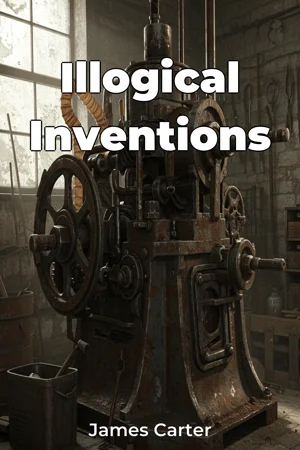
"Illogical Inventions" explores the intriguing history of technological failures, examining inventions that, despite good intentions, missed the mark. The book delves into misguided innovations from the Victorian era to the 20th century, revealing how design flaws and a disconnect from real-world needs led to their downfall. One might be surprised to learn that some inventions failed not due to technical issues, but because they solved problems that didn't exist, or were far more complicated than the original issue. The book approaches these technological failures through detailed case studies organized thematically, grouping inventions by the problems they aimed to solve, such as personal hygiene or transportation. It analyzes the social and economic factors that influenced these misguided creations, highlighting the perils of "technological solutionism." By examining these "illogical inventions," readers gain an appreciation for the iterative nature of innovation and the value of user-centered design. Ultimately, the book demonstrates that studying failures is just as important as studying successes in understanding technological progress.
Book Details
ISBN
9788235278265
Publisher
Publifye AS
Your Licenses
You don't own any licenses for this book
Purchase a license below to unlock this book and download the EPUB.
Purchase License
Select a tier to unlock this book
Need bulk licensing?
Contact us for enterprise agreements.