
About This Book
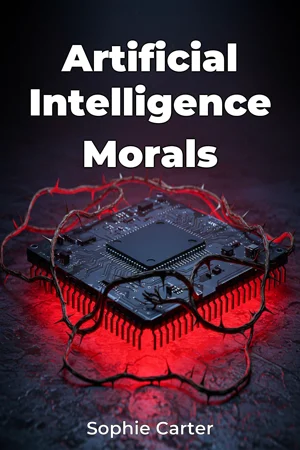
As artificial intelligence increasingly infiltrates every facet of our lives, from healthcare diagnoses to loan applications, we must confront a critical question: are we prepared for the ethical ramifications of algorithms making decisions that profoundly affect human lives? "Artificial Intelligence Morals" delves into the complex intersection of technology and philosophy, examining the growing ethical challenges posed by the rise of AI and automation. This book navigates the turbulent waters of algorithmic bias, accountability gaps, and the potential societal impacts of increasingly autonomous systems. At the heart of our exploration lie three fundamental concepts: the ethical design of AI, the problem of bias amplification in algorithms, and the challenges of establishing clear lines of accountability when AI systems err. These aren't abstract philosophical musings; they are pressing concerns with tangible consequences for individuals and communities. Understanding these concepts is vital for anyone seeking to responsibly develop, deploy, or even simply live alongside AI. We begin by establishing a robust foundation in both the technical aspects of AI development and the philosophical frameworks for ethical reasoning. This includes an overview of machine learning techniques, common sources of bias in data, and different schools of thought on moral responsibility. No prior technical expertise is assumed; we strive to make these concepts accessible to a broad audience. The book proceeds in three distinct parts. First, we deconstruct the concept of ethical AI design, arguing that ethics cannot be an afterthought but must be baked into the very architecture of these systems. We explore various design principles and methodologies aimed at fostering fairness, transparency, and respect for human autonomy. Second, we tackle the insidious problem of bias in AI. We demonstrate how biases embedded in training data, often reflecting existing societal inequalities, can be amplified by algorithms, leading to discriminatory outcomes. Through real-world case studies, we illustrate the far-reaching consequences of biased AI in areas such as criminal justice, hiring, and healthcare. Third, we grapple with the thorny issue of accountability. When an AI system makes a harmful decision, who is to blame? The programmer? The data provider? The end user? The system itself? We unpack the legal, ethical, and philosophical challenges of assigning responsibility in an age of increasingly autonomous machines. Throughout the book, we draw upon a diverse range of evidence, including empirical studies of algorithmic bias, legal precedents related to AI liability, and philosophical analyses of moral agency. We also incorporate insights from interviews with AI developers, ethicists, and policymakers. "Artificial Intelligence Morals" connects to various disciplines, including law, sociology, and computer science, creating a multidisciplinary viewpoint. The legal implications of AI decision-making, the societal impact of AI-driven automation, and the technical challenges of building ethical AI systems are all explored. Our approach is unique in its commitment to bridging the gap between abstract ethical theory and concrete technological practice. We don't simply identify the problems; we offer practical strategies for mitigating bias, enhancing transparency, and promoting accountability in AI systems. We adopt a balanced and nuanced tone, acknowledging both the immense potential of AI and the very real risks it poses. This book is intended for a broad audience, including students, researchers, policymakers, and anyone interested in understanding the ethical implications of AI. It is of particular value to professionals working in fields such as technology, law, and public policy. As a work of non-fiction in the realms of philosophy and technology, this book aims to inform, analyze, and provoke critical thought. While we strive to cover a broad range of topics, our focus remains on the core ethical challenges posed by AI. We acknowledge that the field is rapidly evolving, and our analysis reflects the current state of knowledge and debate. The information in this book has real-world applications for AI developers seeking to build more ethical systems, policymakers grappling with AI regulation, and citizens concerned about the impact of AI on their lives. By providing a comprehensive and accessible overview of the key ethical issues, "Artificial Intelligence Morals" empowers readers to engage in informed discussions and advocate for responsible AI development. We acknowledge the ongoing debates surrounding the nature of consciousness and moral agency in machines, and while this book will touch on those subjects, its primary focus is on the practical ethical considerations for AI's current and near-future impact on society.
As artificial intelligence increasingly infiltrates every facet of our lives, from healthcare diagnoses to loan applications, we must confront a critical question: are we prepared for the ethical ramifications of algorithms making decisions that profoundly affect human lives? "Artificial Intelligence Morals" delves into the complex intersection of technology and philosophy, examining the growing ethical challenges posed by the rise of AI and automation. This book navigates the turbulent waters of algorithmic bias, accountability gaps, and the potential societal impacts of increasingly autonomous systems. At the heart of our exploration lie three fundamental concepts: the ethical design of AI, the problem of bias amplification in algorithms, and the challenges of establishing clear lines of accountability when AI systems err. These aren't abstract philosophical musings; they are pressing concerns with tangible consequences for individuals and communities. Understanding these concepts is vital for anyone seeking to responsibly develop, deploy, or even simply live alongside AI. We begin by establishing a robust foundation in both the technical aspects of AI development and the philosophical frameworks for ethical reasoning. This includes an overview of machine learning techniques, common sources of bias in data, and different schools of thought on moral responsibility. No prior technical expertise is assumed; we strive to make these concepts accessible to a broad audience. The book proceeds in three distinct parts. First, we deconstruct the concept of ethical AI design, arguing that ethics cannot be an afterthought but must be baked into the very architecture of these systems. We explore various design principles and methodologies aimed at fostering fairness, transparency, and respect for human autonomy. Second, we tackle the insidious problem of bias in AI. We demonstrate how biases embedded in training data, often reflecting existing societal inequalities, can be amplified by algorithms, leading to discriminatory outcomes. Through real-world case studies, we illustrate the far-reaching consequences of biased AI in areas such as criminal justice, hiring, and healthcare. Third, we grapple with the thorny issue of accountability. When an AI system makes a harmful decision, who is to blame? The programmer? The data provider? The end user? The system itself? We unpack the legal, ethical, and philosophical challenges of assigning responsibility in an age of increasingly autonomous machines. Throughout the book, we draw upon a diverse range of evidence, including empirical studies of algorithmic bias, legal precedents related to AI liability, and philosophical analyses of moral agency. We also incorporate insights from interviews with AI developers, ethicists, and policymakers. "Artificial Intelligence Morals" connects to various disciplines, including law, sociology, and computer science, creating a multidisciplinary viewpoint. The legal implications of AI decision-making, the societal impact of AI-driven automation, and the technical challenges of building ethical AI systems are all explored. Our approach is unique in its commitment to bridging the gap between abstract ethical theory and concrete technological practice. We don't simply identify the problems; we offer practical strategies for mitigating bias, enhancing transparency, and promoting accountability in AI systems. We adopt a balanced and nuanced tone, acknowledging both the immense potential of AI and the very real risks it poses. This book is intended for a broad audience, including students, researchers, policymakers, and anyone interested in understanding the ethical implications of AI. It is of particular value to professionals working in fields such as technology, law, and public policy. As a work of non-fiction in the realms of philosophy and technology, this book aims to inform, analyze, and provoke critical thought. While we strive to cover a broad range of topics, our focus remains on the core ethical challenges posed by AI. We acknowledge that the field is rapidly evolving, and our analysis reflects the current state of knowledge and debate. The information in this book has real-world applications for AI developers seeking to build more ethical systems, policymakers grappling with AI regulation, and citizens concerned about the impact of AI on their lives. By providing a comprehensive and accessible overview of the key ethical issues, "Artificial Intelligence Morals" empowers readers to engage in informed discussions and advocate for responsible AI development. We acknowledge the ongoing debates surrounding the nature of consciousness and moral agency in machines, and while this book will touch on those subjects, its primary focus is on the practical ethical considerations for AI's current and near-future impact on society.
"Artificial Intelligence Morals" explores the growing ethical dilemmas arising from the increasing integration of AI into our lives. It addresses critical questions about algorithmic bias, accountability, and the responsible design of AI systems. The book emphasizes that ethics must be a core component of AI development, not an afterthought, and highlights how biases in training data can lead to discriminatory outcomes in areas like criminal justice and hiring. The book uniquely bridges abstract ethical theory with practical technological applications, offering strategies for mitigating bias and enhancing transparency. It begins by laying a foundation in both AI technology and ethical philosophy, making complex concepts accessible to a broad audience. It then progresses through three key areas: ethical AI design, the problem of bias amplification, and the challenges of establishing accountability when AI systems make harmful decisions. Drawing upon case studies, legal precedents, and philosophical analyses, the book navigates the complex landscape of AI ethics. It connects to disciplines such as law, sociology, and computer science, providing a multidisciplinary perspective on the moral responsibility associated with increasingly autonomous machines. This approach aims to empower readers to engage in informed discussions about AI's impact and advocate for responsible development and deployment.
Book Details
ISBN
9788235277985
Publisher
Publifye AS
Your Licenses
You don't own any licenses for this book
Purchase a license below to unlock this book and download the EPUB.
Purchase License
Select a tier to unlock this book
Need bulk licensing?
Contact us for enterprise agreements.